
Weekend Destination – Atlanta’s BeltLine


PHOTOS BY MATT KOEHNEMANN
I remember the moment when I realized the true diversity of Atlanta. I was on my way to meet two old friends for lunch in a restaurant located in Virginia-Highlands, a neighborhood of Atlanta that I had never been to. I had moved to the Atlanta area a few years before and, honestly, had been living here long enough to be more familiar with its chorography, but Atlanta is not the easiest city to get to know. I wasn’t completely unfamiliar, having been raised in Panama City, I had been to Atlanta often, but knew only the basics; a surface scratch of downtown attractions, music venues and Turner Field.
Shortly after turning off of West Peachtree, a street punctuated by skyscrapers and flowing through the center of downtown, I was on my way to the restaurant when, all of a sudden, I found myself driving through a wooded residential area lined with beautiful craftsmen bungalows, of which no two were alike. The dissimilarity to downtown was remarkable. The restaurant was a local burger joint that had been there forever. In this quaint neighborhood dotted with unique restaurants and boutiques. I thought to myself, how could an area like this, so close to downtown, remain so… undetected?
At first glance, Atlanta feels like a wooded Los Angeles because of its shear area (there are almost 250 neighborhoods). It has a reputation of being potentially dangerous and there is the predetermined need to drive everywhere, thereby, sit in traffic. The inevitability of driving has most visitors see Atlanta through the stopand-go lens of their windshields. When you do arrive at one of the focal points downtown to stop and walk around, parking is troublesome and expensive. All these circumstances create a mentality of ‘go where you’re familiar’ among visitors who seem to visit the city in a cyclical fashion.

The irony of all of this is, since its inception, Atlanta has been a transportation city. In the mid-nineteenth century engineers surveyed the land that is now the heart of downtown, specifically to be a terminating point for a railroad. In the 1930s Atlanta’s airport began growing to become the busiest airport in the world, followed by the interstate system in the 1950s. It seems that Atlanta could get people in and out efficiently, but getting around was less streamlined. This lack of commutability within the city was not unrecognized; there was just never a good, affordable solution that the city could agree on.
In 1999, a Georgia Tech student, Ryan Gravel, wrote his masters thesis on an idea that would spark a solution to the very problem plaguing Atlanta citizens and visitors. His idea suggested taking 22 miles of underused railway encircling the city and transforming them into a light-rail, public transit system. From this premise, the idea transformed into dismantling this circle of old railway tracks cutting through many of the city’s neighborhoods, and turning the space into a paved, multi-use path, providing not only walkability, but a direct connection between historic neighborhoods. The idea gained immediate interest and local support, but would require a massive undertaking of cooperation and funding. With the city, neighborhoods, and local citizens enduring the slow, persistent energy required to get the inertia of such a large idea moving, the reality of this project, The Atlanta BeltLine, began to take shape in the early 2000s.
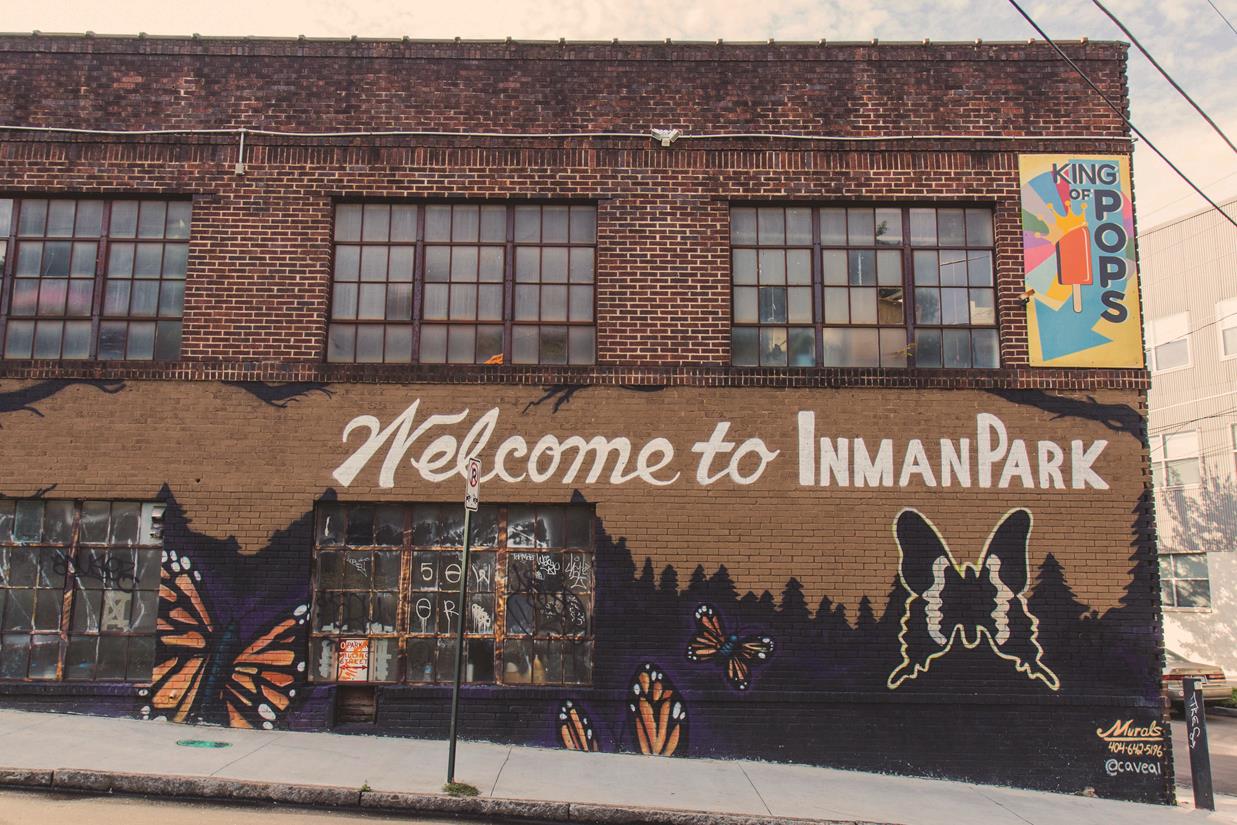
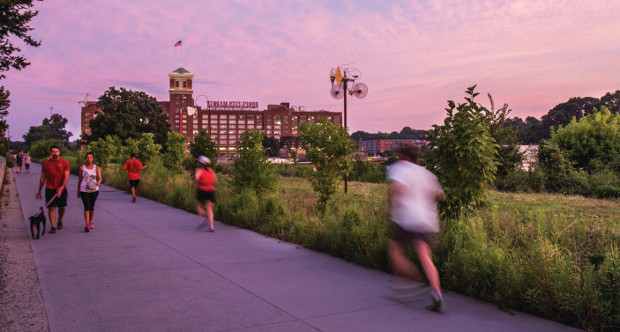
The Atlanta BeltLine is one of the largest urban development programs ever undertaken by the city of Atlanta. By its planned completion in 2030, it will see 22 miles of historic railroad track converted into a network of trails used for walking or biking, public parks and, eventually, even the addition of a light-rail system to assist in commutability. This thread of gentrification will stitch together 45 neighborhoods that surround the heart of Atlanta. Once the BeltLine is complete, the need for pedestrians to rely on cars to commute within the city will be greatly reduced, instead, they will be able to get around under their own power or by taking one of the planned light-rail lines that will be built. Along their route they’d be able to expect to pass an abundance of greenspace, restaurants, local displays of art, and access to culturally rich, historic neighborhoods tucked away within the trees and side streets.
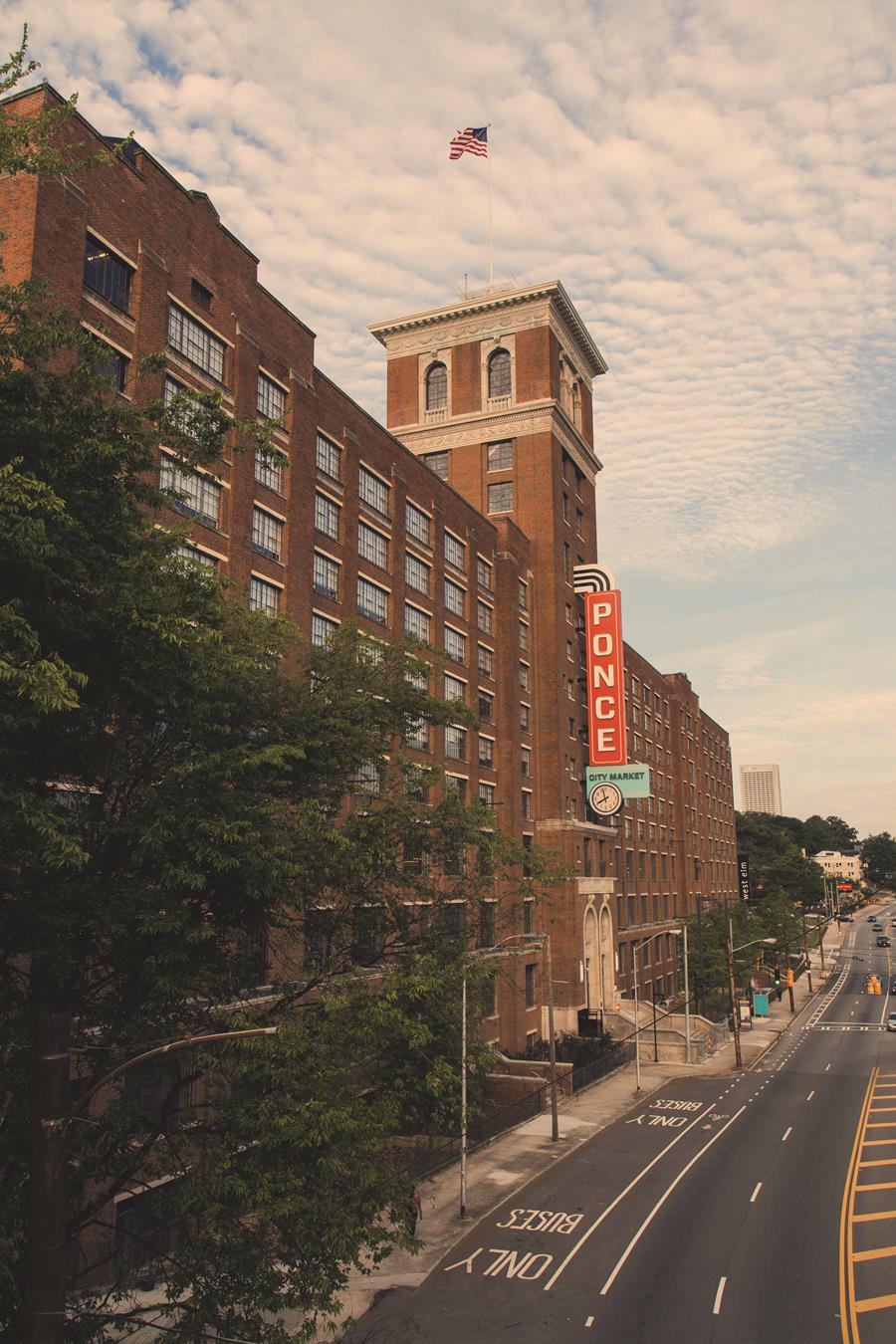
Although the BeltLine is still being developed, there are parts that are more complete than others. The most developed portion of this ambitious project is the Eastside Trail. The Eastside Trail is a 2.25 mile paved stretch that extends from Piedmont Park (Atlanta’s Central Park) to the historic Victorian neighborhood of Inman Park. This section hosts a number of parks and eateries, and teeters between five different neighborhoods (Midtown, VirginiaHighland, Poncey-Highland, Old Fourth Ward, and Inman Park) each with their own character and community. The Eastside Trail also zips past Atlanta’s up-and-coming Ponce City Market, another massive development converting a former Sears and Roebuck Regional Distribution building into a destination with an upscale food hall, high-end shops, offices, and apartments. With its focus on walkability along trendy neighborhoods, along with unique local eateries and shops materializing on either side, the Eastside Trail portion of the BeltLine is quickly becoming the central nervous system of Atlanta’s creativity, health, and culture.
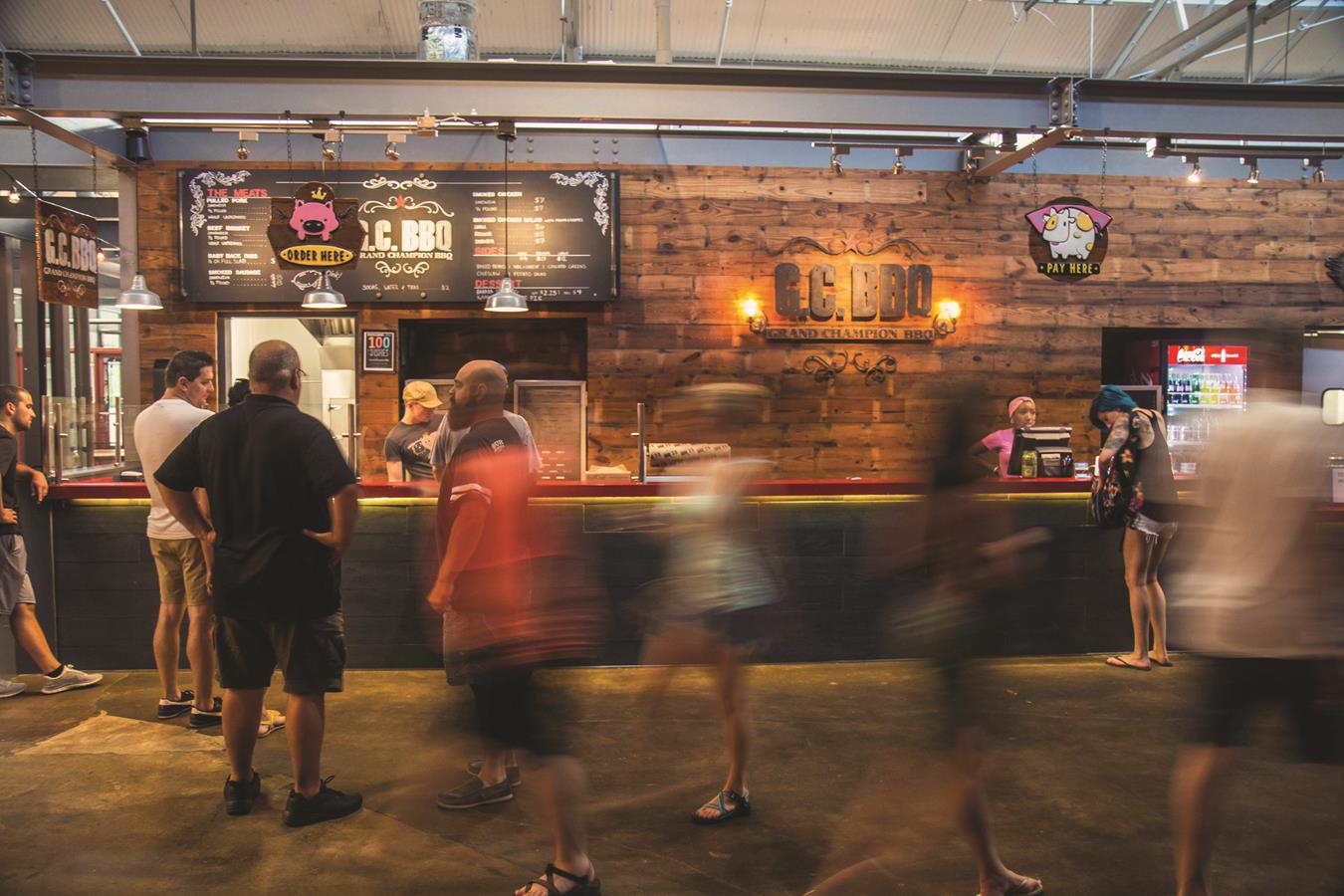
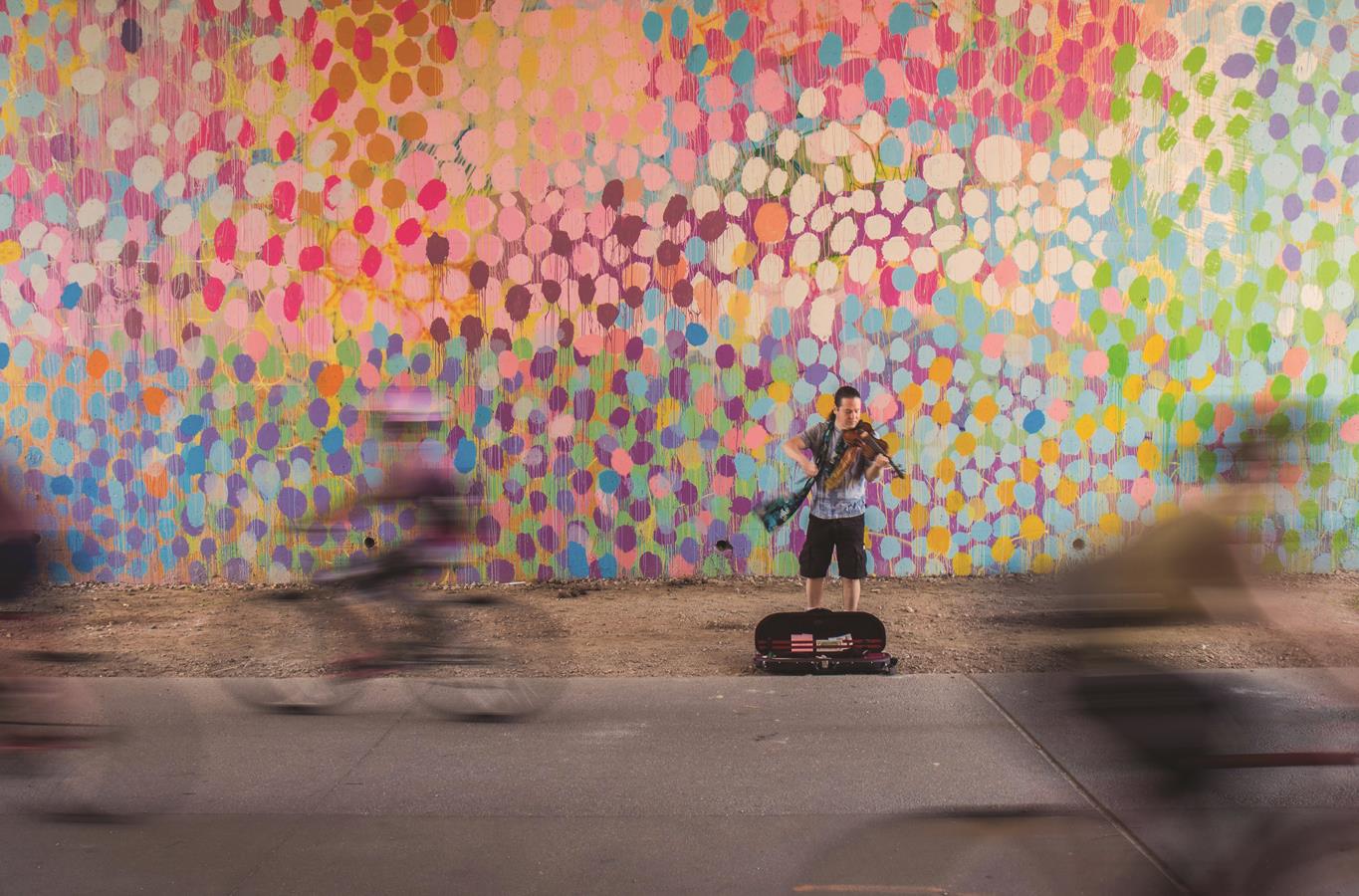
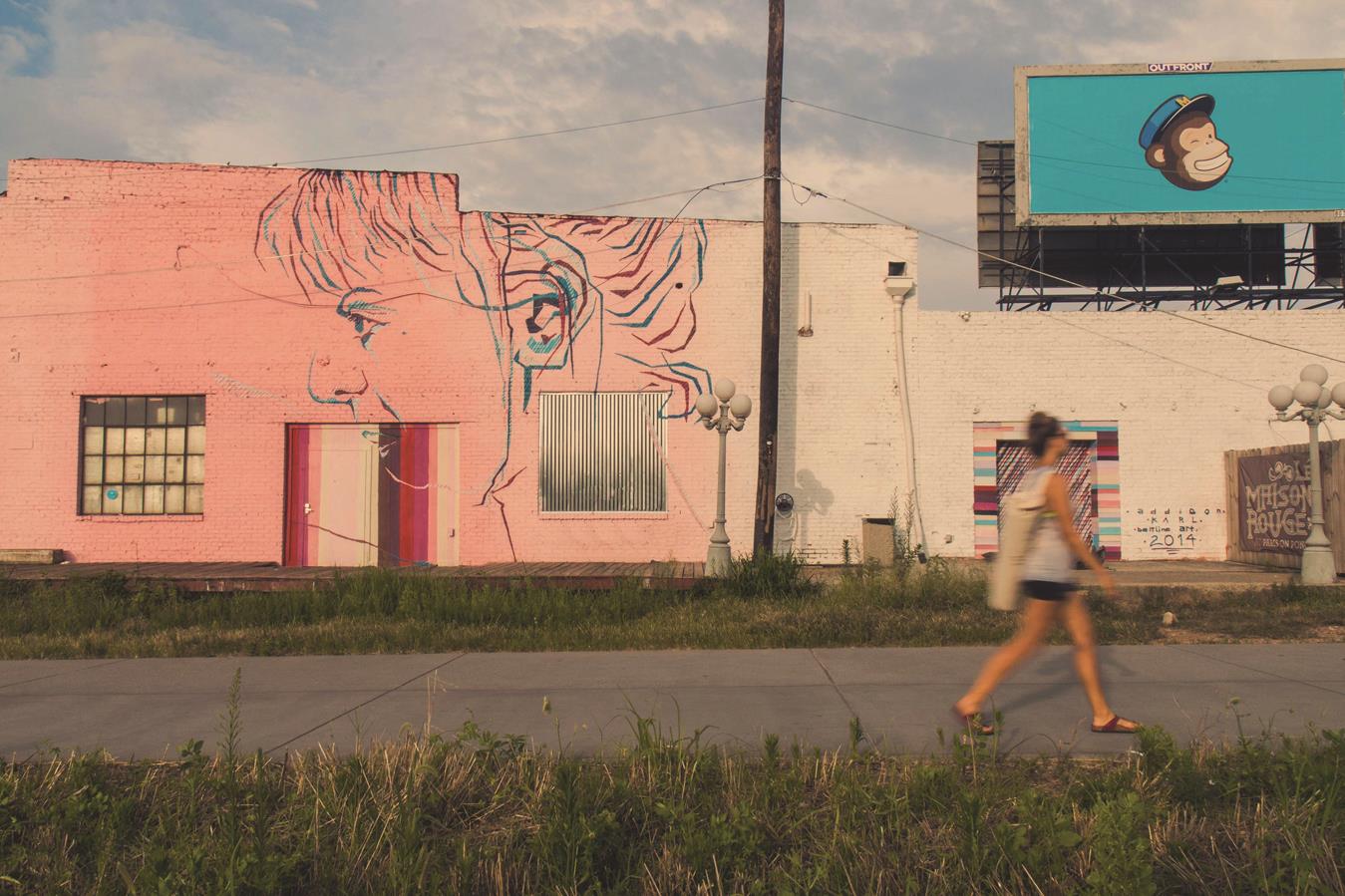
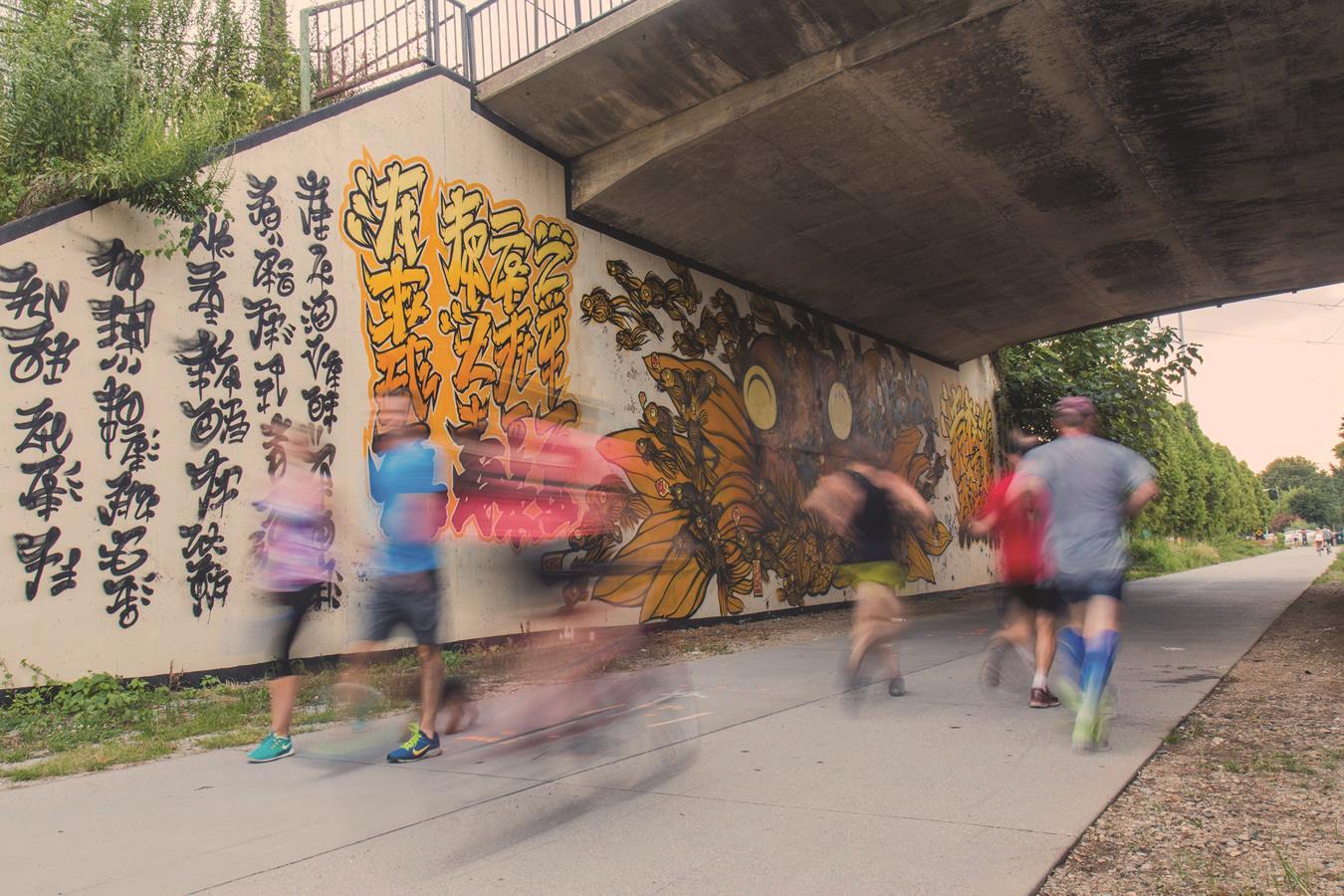
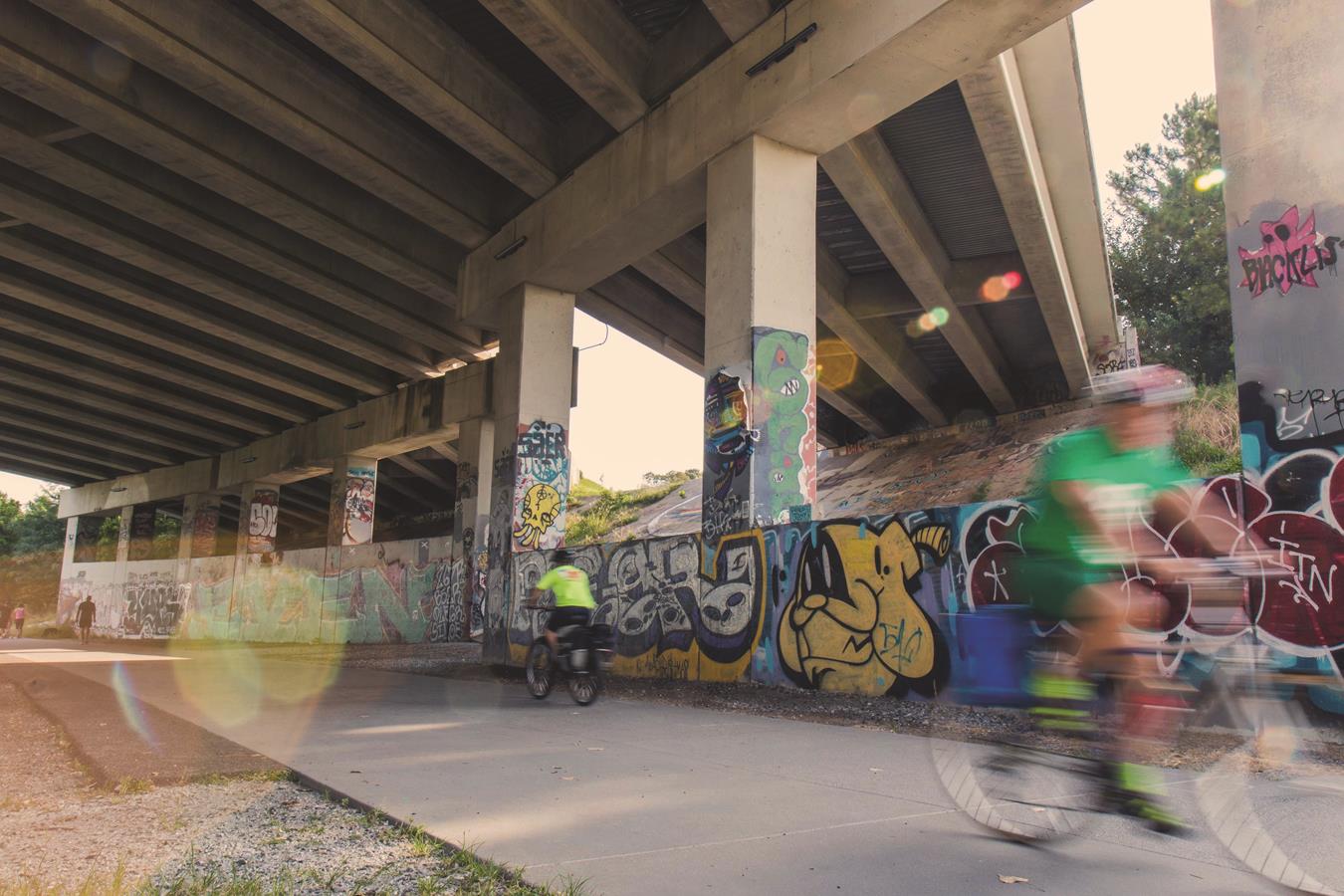
You can hear the pride people have for the BeltLine trails when you pass by strangers disclosing to their visiting friends or relatives all the benefits the BeltLine brings to their lives. Michael Lennox, an Atlanta native and one of the owners of Ladybird, a restaurant along the BeltLine says “It is changing the dynamic of the city. It is making the city more pedestrian oriented and really increasing Atlanta’s long term trajectory.” Another noticeable aspect of the BeltLine is, that it lacks any impression of commercial tourism. There are no billboards, no gimmicky advertisements, just an array of local art and word of mouth. It feels almost hidden in plain sight. A secret club, open to all who hold the knowledge of its existence and the inquisitiveness to meander along its path.
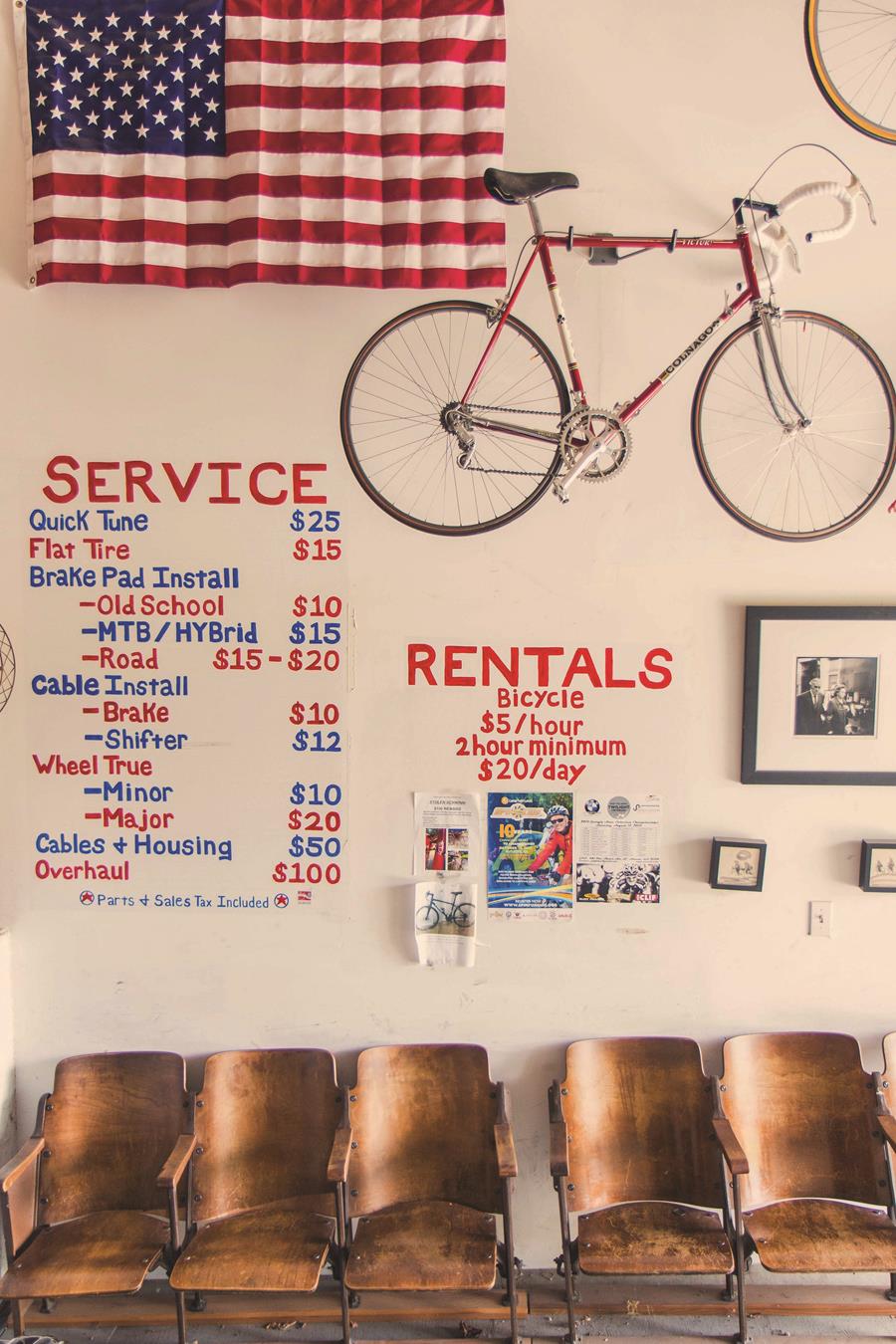
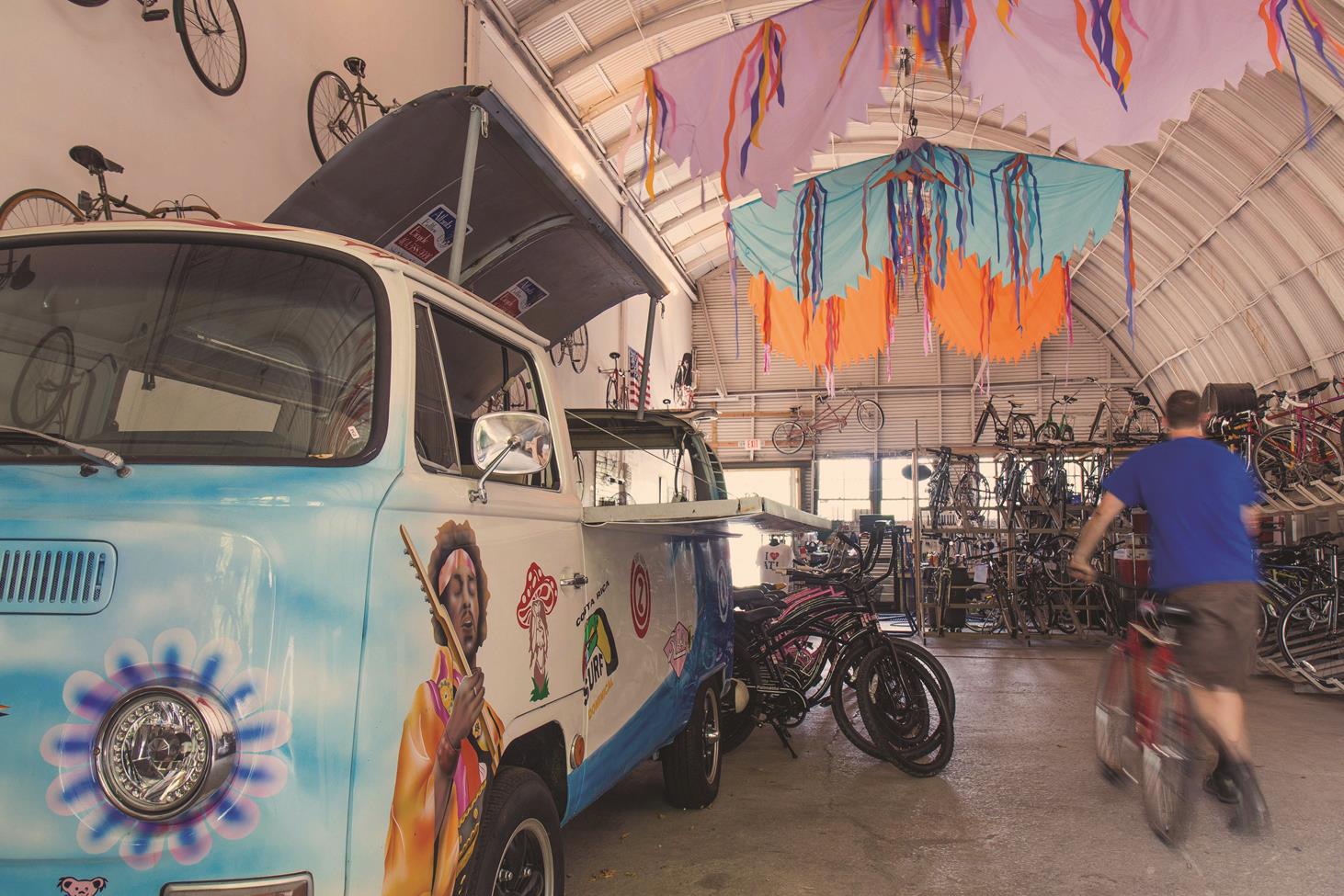
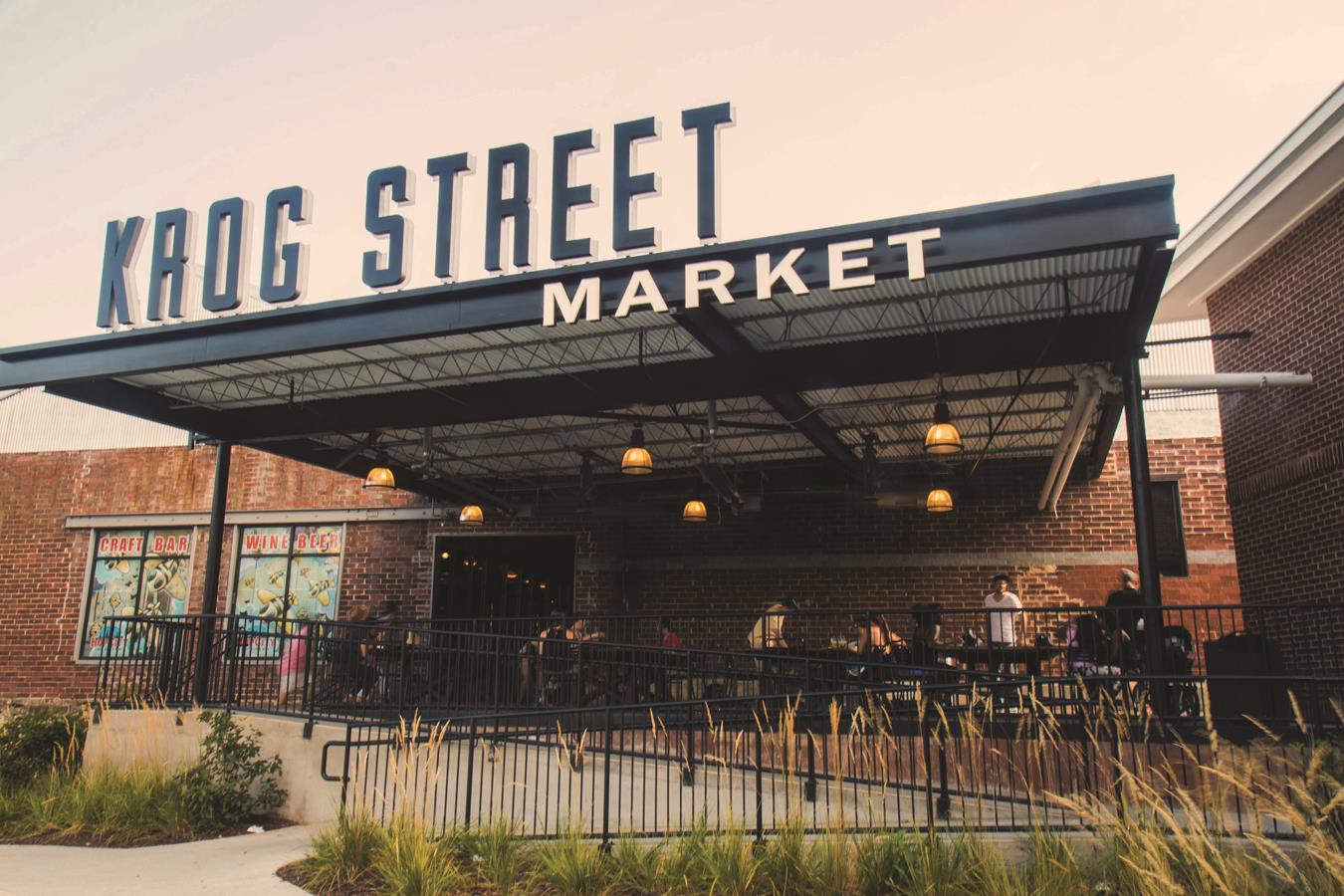
The Eastside Trail portion of the BeltLine is located about 1.5 miles east of downtown, and extends from Krog Street Market, at its southernmost point, to 2.25 miles north all the way to Piedmont Park.The best way to take full advantage of the BeltLine’s Eastside Trail is by bike. The best place to rent a bike is to swing by Atlanta BeltLine Bikes (rentals at $20 for the day) which is located near Krog Street Market, right on the BeltLine. Tim Bailiff and Ben Stimis have been at the location for two years and will either tune up your current ride or they’ll get you set up with the perfect rental. “We’re just happy that the BeltLine is getting people on bikes. Most of the people that rent from us aren’t even out of town guests, but people from outside the perimeter or the local neighborhoods that come to find out what the BeltLine is all about, ” says Tim.
1. Krog Street Market
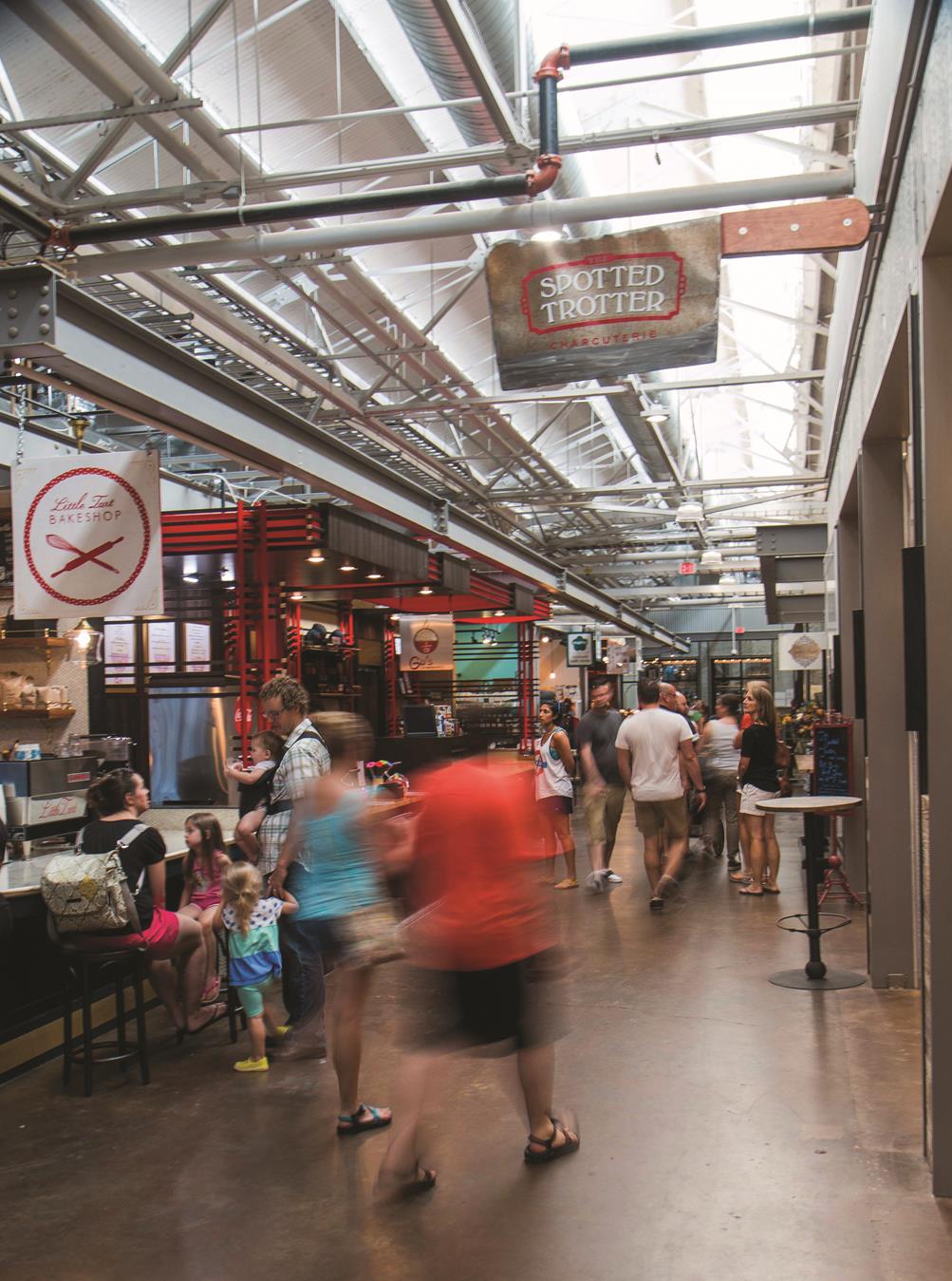
KSM was originally an old Stove Works warehouse, later used by Tyler Perry as a film studio. It has now been converted into a west-coast-style food hall. There is coffee, ice cream, a florist, a butcher and cheese shop, fine dining, good burgers, falafels, and a craft beer store to name a few. All the options of KSM make this a great beginning and ending point. It is a perfect stop to get some energy (and maybe a craft beer) before covering ground on the BeltLine.
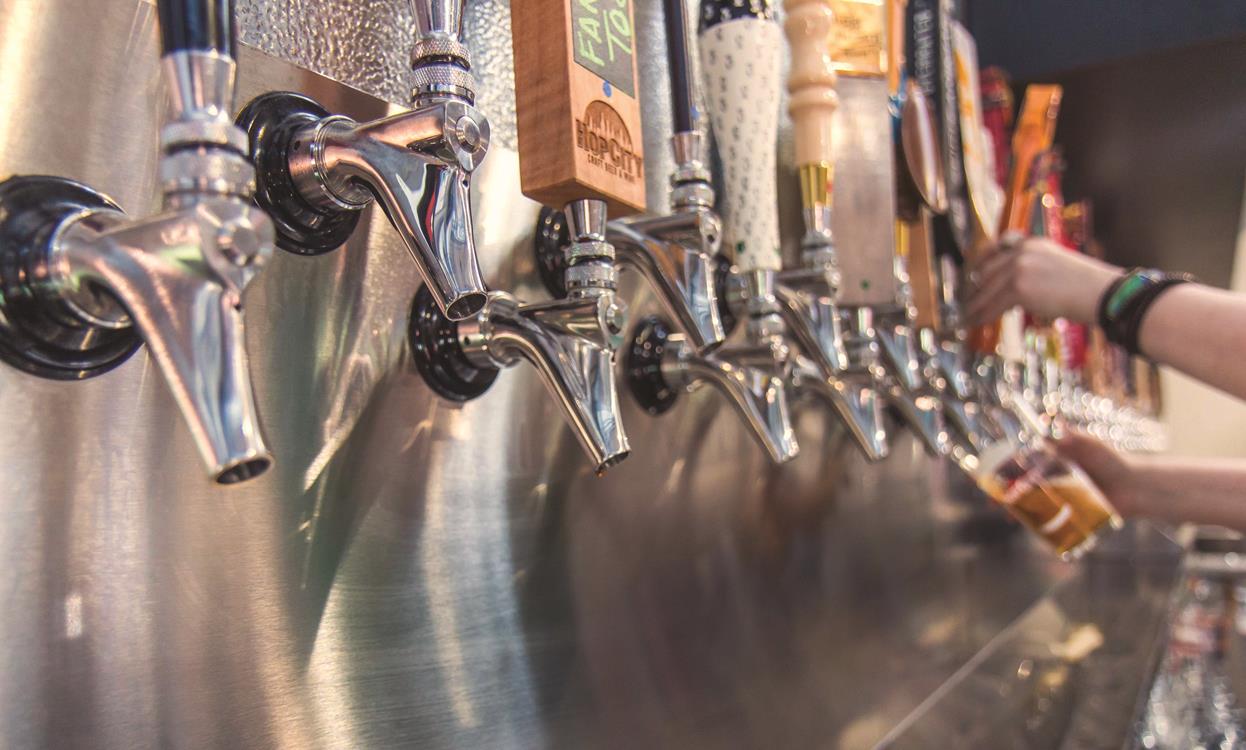
2. Hop City
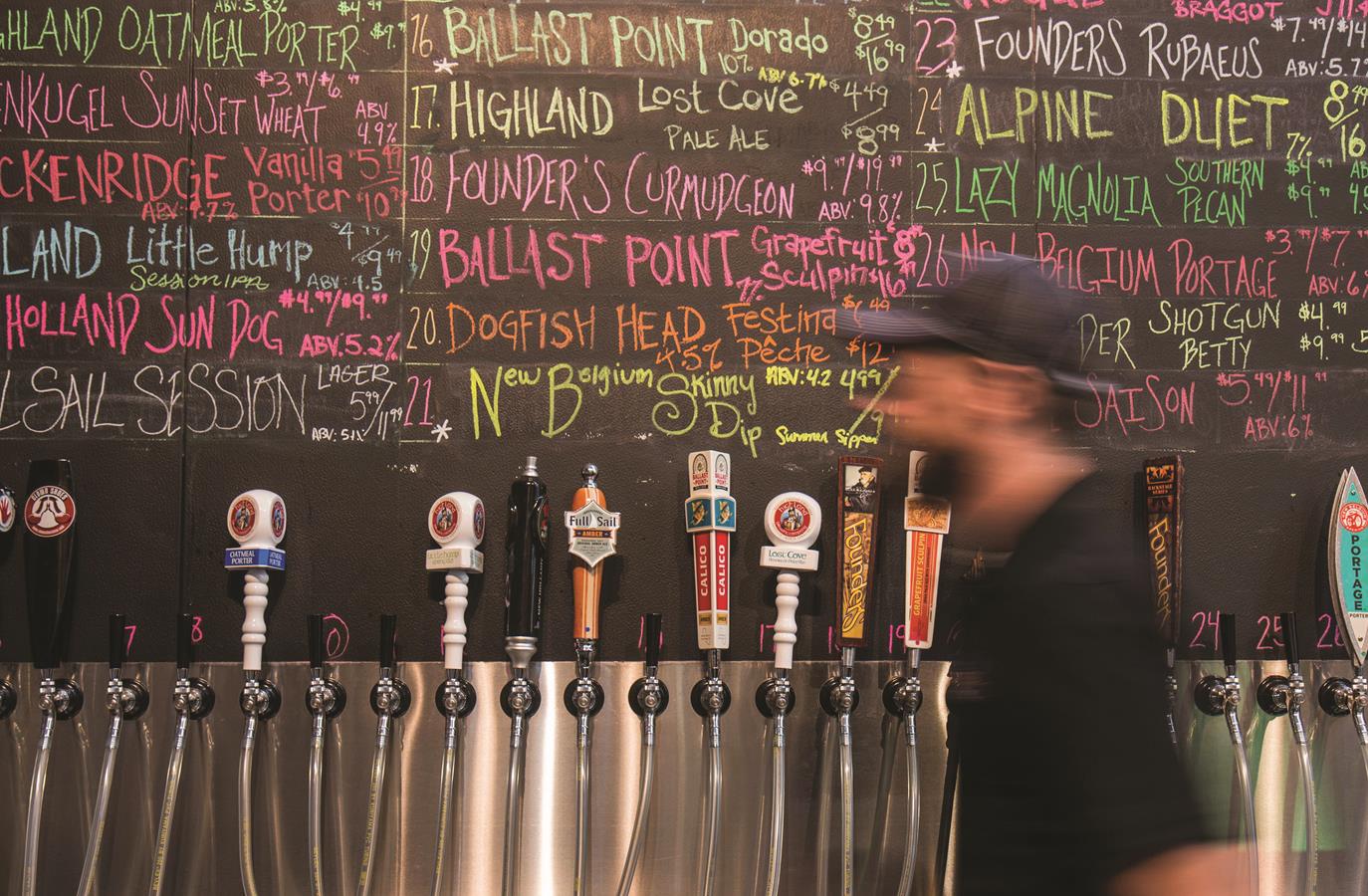
(located inside Krog Street Market) Hop City prides themselves on having a wide variety of beers and wines (with more than 1,000 different wines and more than 1,200 beers; I’d say they’ve earned it). As huge local brewer advocates, if it’s brewed in Georgia and sold for retail, they probably have it. Since this location is connected to a food hall, you can try one of the 20+ beers they have on tap. Don’t forget to pick up a growler to take home after your day on the BeltLine.
3. Ladybird Grove & Mess Hall
Ladybird offers a campfire and lodge theme, with two porches (one screened and one open) both facing the BeltLine, which makes this a fantastic spot to people watch. You’ll feel like you are dining in an upscale, rustic lodge full of trendy young professionals who have the energy of socialite sophistication. Converse over a thermos of coffee or choose from one of their custom cocktails, as you brush up on their ever-changing menu. If you want to ‘break camp’ early and hit the trail, they also allow you to order your food to go.
4. The neighborhood of Inman Park
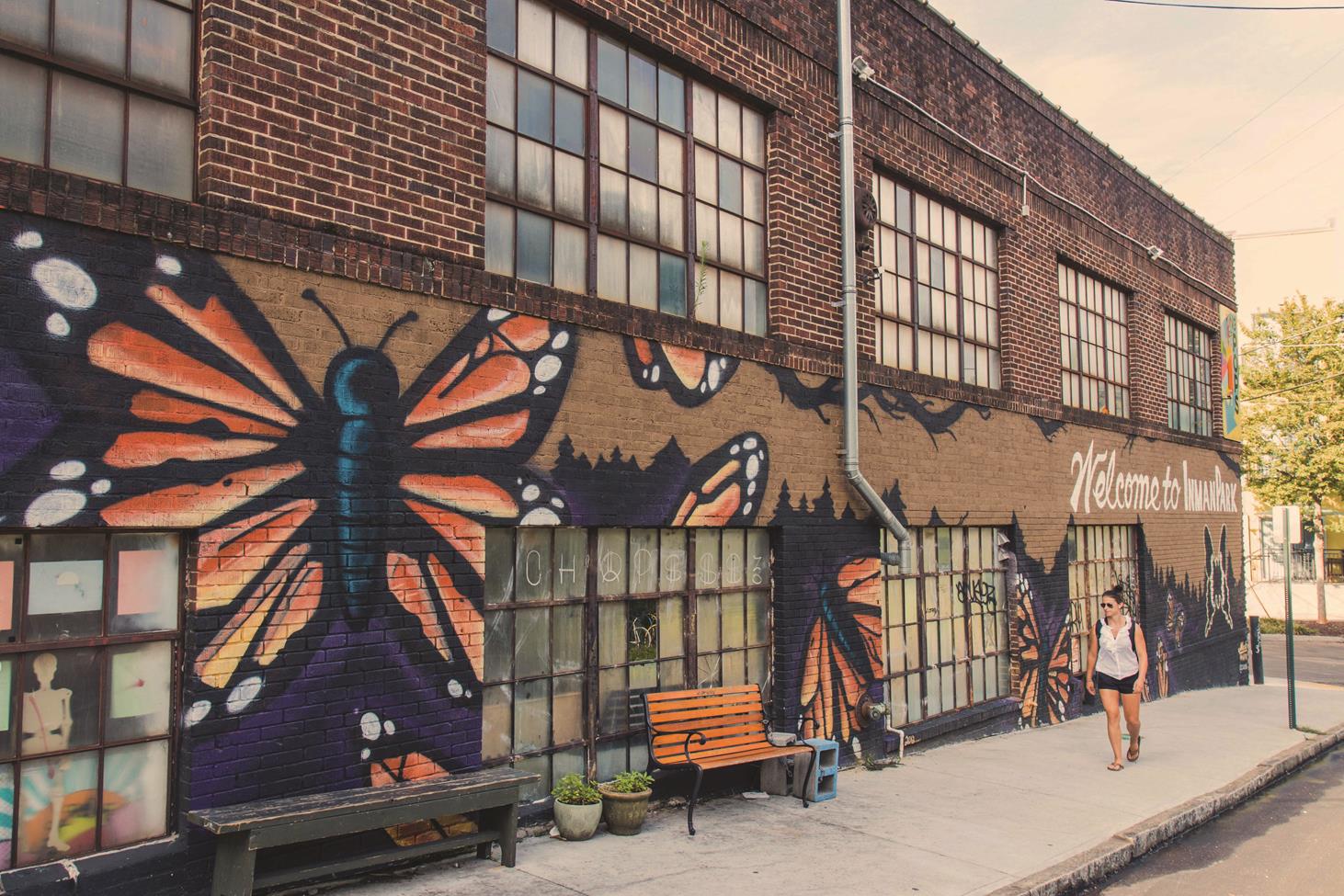
The land that is now Inman Park was originally cleared by the fierce fighting of the Battle of Atlanta during the Civil War. From this devastation, the city turned the land into the first planned residential suburb, creating a beautiful Victorian neighborhood. At the turn of the nineteenth century, Inman Park saw glamorous growth, with Atlanta’s elite building beautiful houses, including the founder of Coca-Cola Company. As the automobile became more prevalent and the style of the houses became outdated, Inman Park fell into decline until 1973 when the entire neighborhood was added to the National Register of Historic Places. Since then, Inman Park has seen resurgence, creating a unique, historical neighborhood to enjoy.
5. Historic Fourth Ward Skate Park
If you or your children enjoy skateboarding, the Fourth Ward Skate Park is a free skate park that was designed with help from the local skate community. It offers something for skaters of every skill level. Tony Hawk, whose foundation donated $25,000 towards the park, was in attendance for its opening celebration and had the opportunity to demonstrate the full capabilities of such a park. The park isn’t only for skateboard enthusiast; adjacent to the park is a large greenspace for other sports and activities.
6. Historic Fourth Ward Park and Ponce City Market
Take a quick detour off the BeltLine and coast your way down to Historic Fourth Ward Park and then over to Ponce City Market. Historic Fourth Ward Park is a newly developed 17-acre urban park with greenspace, walkways, and a playground for the kids.
Ponce City Market is another in-town revitalization development, rejuvenating an old Sears and Roebuck Regional Distribution Center. This massive brick building, which also acted as City Hall East for a spell, is already getting national recognition for its transformation into a food hall, with notes of comparisons to Pike Place in Seattle and Chelsea Market in New York. Ponce City Market is a destination in itself and is currently experiencing a cascade of openings involving shops, like West Elm and Anthropologie, local dining, apartments, and offices.
7. Paris on Ponce
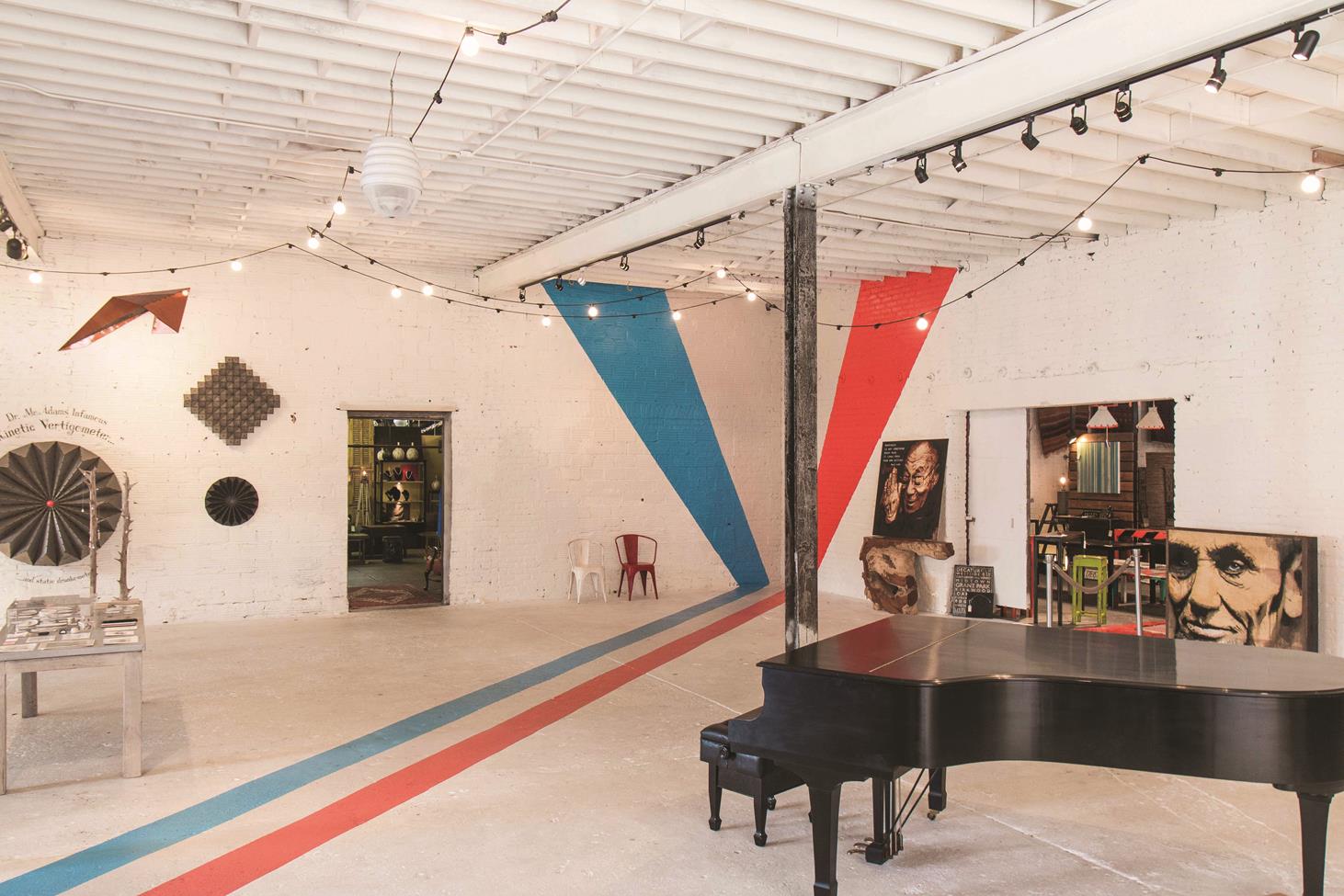
Paris on Ponce, I’m sure, is unlike any store you’ve probably been in. It is everything from an art venue and a movie-set to a café with eclectic antiques and picturesque home furnishings. “We are kind of a ‘bohemian playground’,” describes Nicolette (Valdespino), one of the owners of Paris on Ponce. The design on the building itself will lure you into 46,000 square feet filled with boundless curiosities, art, and home décor. And as many places along the Beltline, it’s dog friendly!
8. Piedmont Park
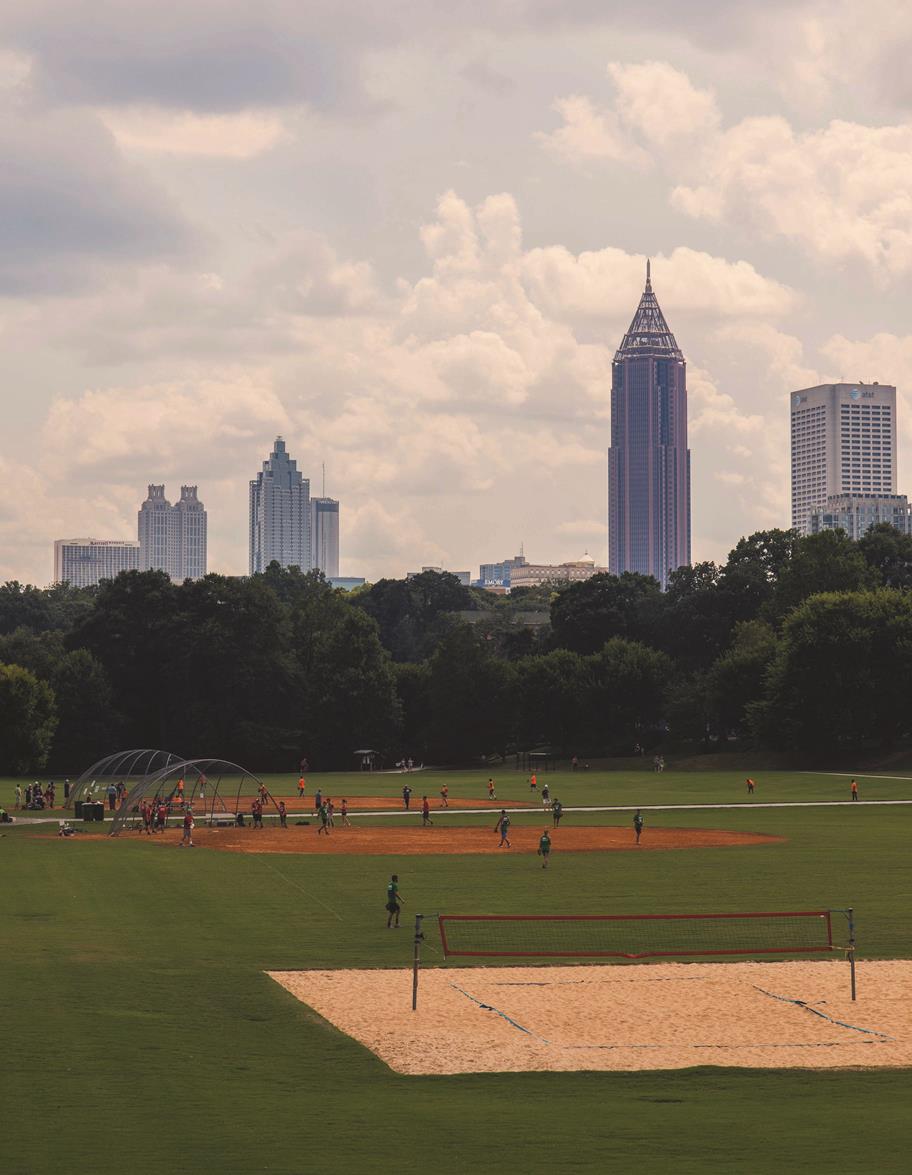
The beloved Piedmont Park is an enormous 185-acre greenspace due east of Midtown, about two-miles northeast of downtown. Whether you prefer to be short of breath or deep in thought, there are almost limitless activities for people to enjoy. It includes miles of biking and jogging paths, fields for a number of sports, playgrounds, a dog park, weekend farmers markets, nature trails, and the Atlanta Botanical Gardens all with stunning views of the Midtown skyline. The park has a unique ability to always have something going on, be it a festival or concert, and yet still provide quiet, private places for people to enjoy. Visit the east edge of Lake Clara, a small, aesthetic lake in the heart of the park, to capture one of the most iconic shots of Atlanta’s Midtown skyline.[/box]