
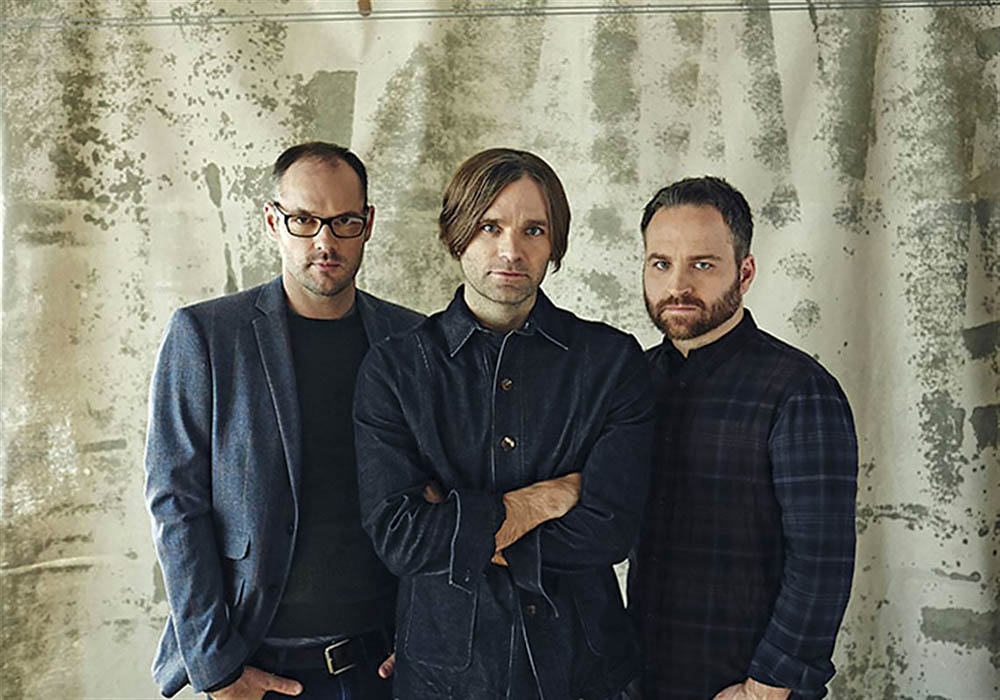
THE ENDURING RELEVANCE OF DEATH CAB FOR CUTIE


By Nick May
Death Cab for Cutie is on tour with a stop in Panama City Beach in March. The band has had my full attention for 20 years.
Little brothers are not cool. Middle brothers are not cool. Older brothers (particularly those with cars and CD players and Stratocasters) are cool by convention. The only reason I even knew about the alt-rock monolith Death Cab for Cutie as an early-oughts teenager was because my oldest brother loved them. I acquired a taste for their thoughtful lyrics and divergent sound by osmosis—sheer proximity. It was cool to me, but my friends found it decidedly uncool.
Of all the bands I highjacked from my older brother in the late ‘90s, it was Death Cab that became the soundtrack to my life. The first time I wore a DCFC T-shirt to my tiny Christian school, the strange looks were lost on me. I didn’t care. Here was a band that superimposed poetry over the kind of music I wanted to play.
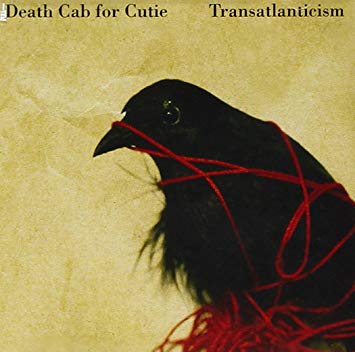 The first CD I ever bought with my own money was “Transatlanticism” (the band’s fourth full-length album). I count that purchase as a point of pride. I used a crumpled $10 bill to buy the beige-colored album featuring a little black bird, tangled in red twine. I remember thinking that was so cool. Back before Radiohead gave away “In Rainbows” for free and changed the value of music in hardcopy format, CD jackets were every bit as important as what was inside.
“Transatlanticism” is without a doubt my desert island record, but it was Death Cab for Cutie’s first three studio albums that ensnared me with their melancholy grunge. There’s the roomy-sounding “Something About Airplanes” (1998), with its echoey vocals and effects-driven trademarks, perfectly suited for night-crawling. There’s the slow-burning follow-up,
With its long lines and even longer name—”We Have the Facts and We’re Voting Yes” (2000). And finally “The Photo Album” (2001), which is arguably considered their best among many Gen Xers.
Following their first four records, Death Cab for Cutie entered into what some might consider a more mainstream familiarity, with “Plans,” released in 2005. The album (which is still my number two) maintained much of the intrepid alt-rock DNA of “Transatlanticism,” while managing to essence itself with a hint of (dare I say) fun. With “Narrow Stairs” (2008), the band began what I would call a third age, which saw singer Ben Gibbard adopt a more clearly discernible singing style, trading in his nerdy, wordy writing hallmark for shorter, more decisive lyrics. “Codes and Keys” (2011) might be the band’s furthest reach into uncharted territory, featuring several radio-friendly tunes, while “Kintsugi” (2015) and their most recent, “Thank You for Today” (2018) each seem to usher the band closer to something indicative of Death Cab’s brand.
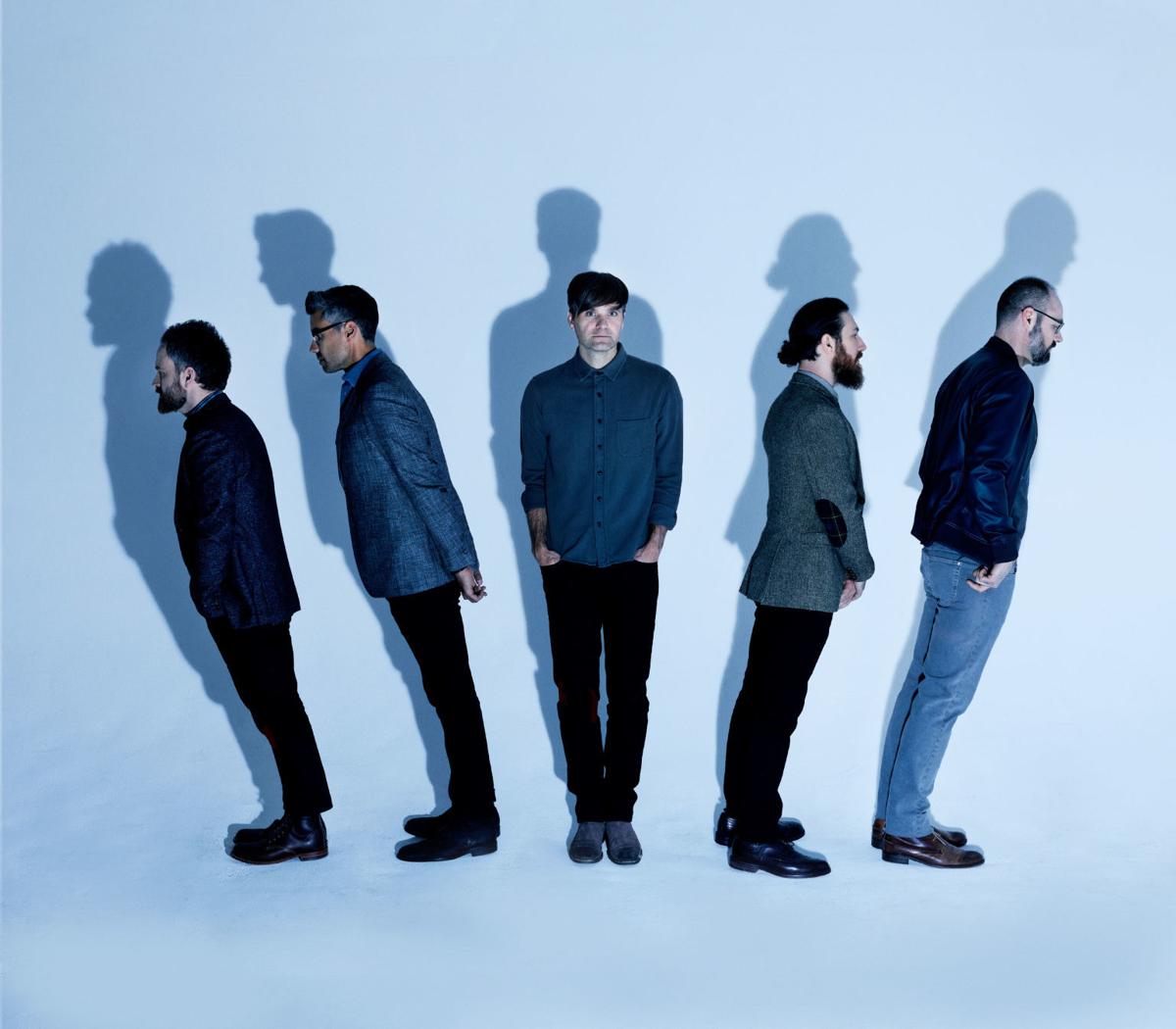 Nine full-length albums is quite the discography for any band. Especially one whose fandom spans at least one generational gap (maybe two). As a listener, it’s only fair to acknowledge each of DCFC’s records as a contribution to the band’s overarching lore. This is the story they’re telling, whether you like it or not. But take it from me, they’re pretty hard not to like.
Feel free to pick up and come along, wherever you are. You can start with an incredibly rare and privileged live show during the Panama City Beach unwined event, Friday, March 21st at Aaron Bessant Park. Death Cab for Cutie will headline a special concert, with opener Joywave. For tickets: visitpanamacitybeach.com