
Sleepytime Garden


By Linda Mix, RN; Photos by Linda Mix, RN
You toss and turn, you count sheep, you try to make your eyes stop dancing, but you just can’t fall asleep! And this goes on night after night! What can you do?
How about planting your own sleep-aiding herbs? Here are some plants* that are easy to grow and will greatly enhance your ability to sleep . Listed are the parts of the plant to use and each one’s particular action . None of these plants have addictive effects.
TIPS ON GROWING
In the Florida Panhandle, now is a good time to begin planning and getting your Sleepytime Garden ready or you may choose to incorporate some of these herbs in your culinary herb garden. Have poor soil? Plants in a raised bed with half potting soil and half compost will grow amazingly well, no matter what kind of soil you have! Many of the plants are perennial, so planting them this fall when the weather starts to cool down, will help you get a head start. Check local nurseries and lawn and garden shops or get root clumps from friends . Next spring, when varieties are more plentiful, you should be able to find those you couldn’t find this fall. In most cases, only one plant of each herb is needed for personal use.
TIPS ON USAGE
Combining two or more herbs will enhance the action of each, making them more effective. Adding one of the more flavorful herbs, such as lemon balm or mint, will help improve the taste. Herbs are available commercially in tablet and capsule form, but teas are best and easiest if you are growing your own herbs. To make tea, pour boiling water over two teaspoons of dried herbs or four teaspoons of fresh herbs, let seep 10 to 15 minutes and drink about an hour before bedtime.
Herbs & Plants
[divider]BASIL: (Leaves) Has a slight sedative effect which also helps relieve anxiety
CALIFORNIA POPPY: (FLOWER HEADS) A gentle sleep aid; safe for children
CATNIP: (LEAVES) Quiets the nervous system with mild tranquilizing and sedating effects; safe for children
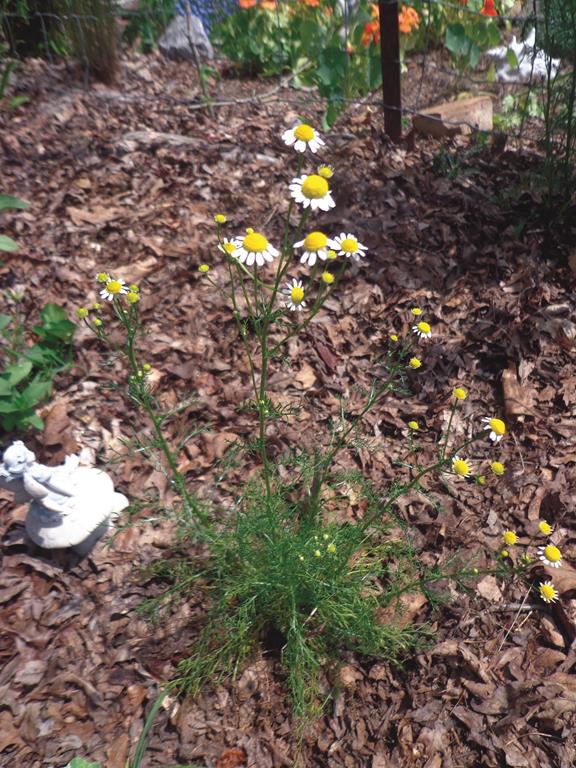
CHAMOMILE: (FLOWER HEADS) Used for centuries to quiet nerves and as a mild sleep aid, even for children and babies
HOREHOUND: (LEAVES AND FLOWERS) Helps calm nervousness
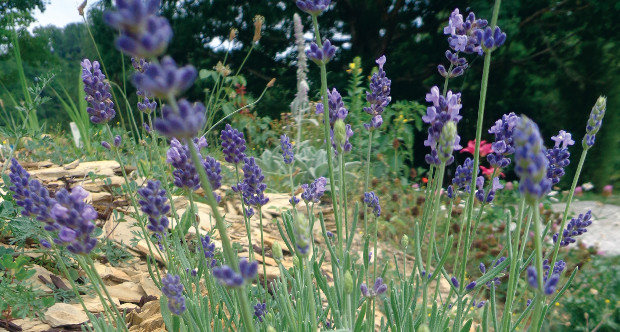
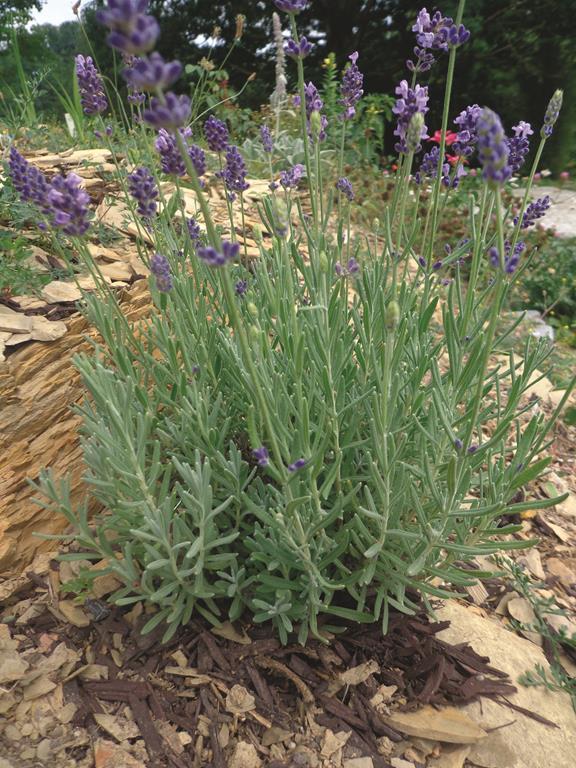
LAVENDER: (FLOWERS) Helps soothe and sedate the nerves
LEMON BALM: (LEAVES) Calms the nerves and aids sleep; safe for children
LEMON VERBENA: (LEAVES) Contains mild sedative properties
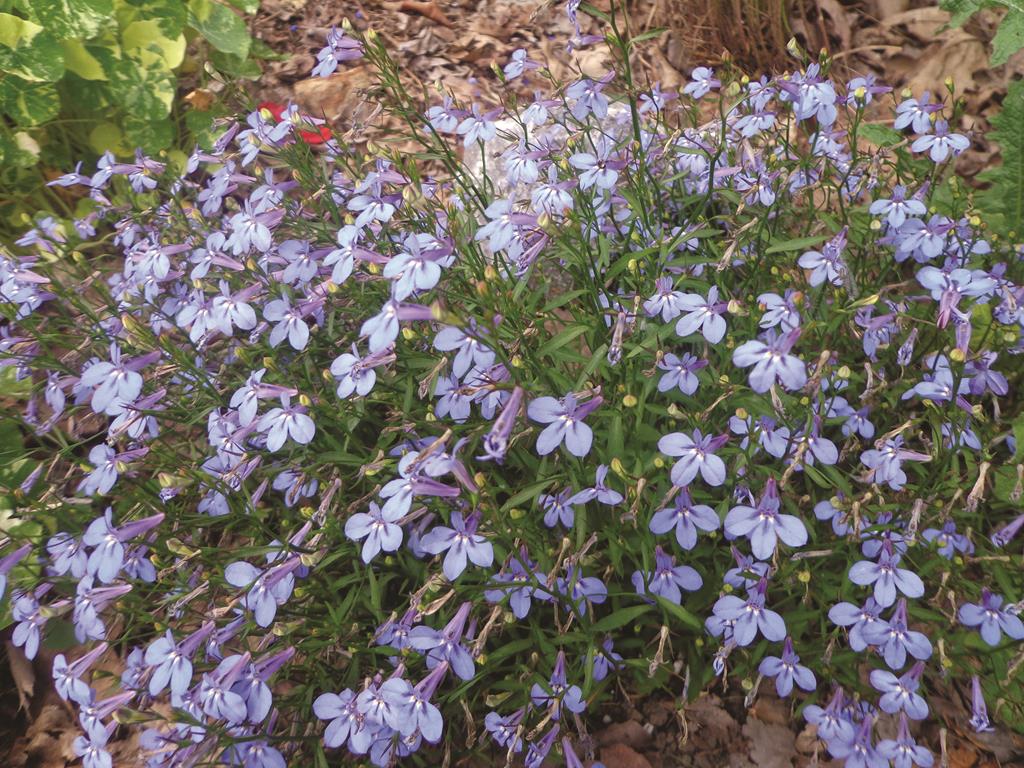
LOBELIA: (FLOWERING TOPS) One of the most powerful relaxants in the herb kingdom . Use sparingly . Do not use for children .
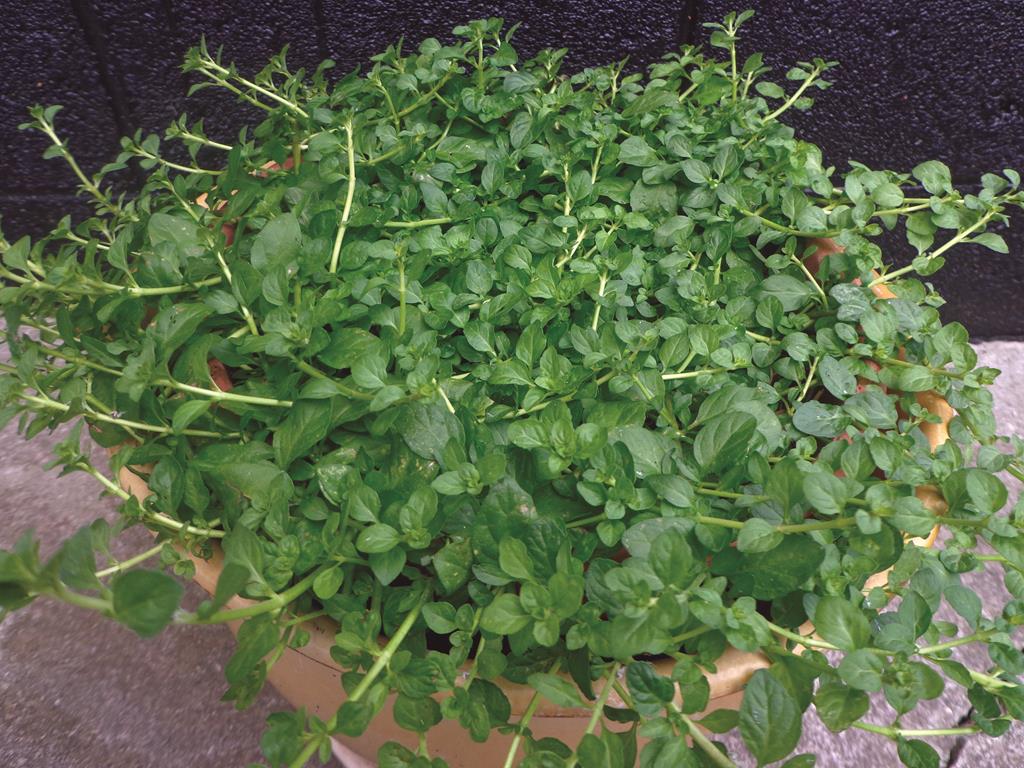
MARJORAM: (LEAVES) A good anti-spasmodic which relaxes nervous tension
MINT: (LEAVES) Works as a calmative and anti-spasmodic, producing a calming effect on the nerves
MOTHERWORT: (LEAVES, FLOWERS AND STEMS) Works as a sedative and nerve tonic to relieve anxiety and insomnia
MULLEIN: (LEAVES AND FLOWERS) A common weed that is one of the best plants to induce sleep, even when used alone
PASSION FLOWER: (LEAVES AND FLOWERS) Has a mild sedative effect; especially good for relieving insomnia in infants and senior adults
PENNYROYAL: (LEAVES) Has anti-spasmodic properties
TARRAGON: (LEAVES) A calmative
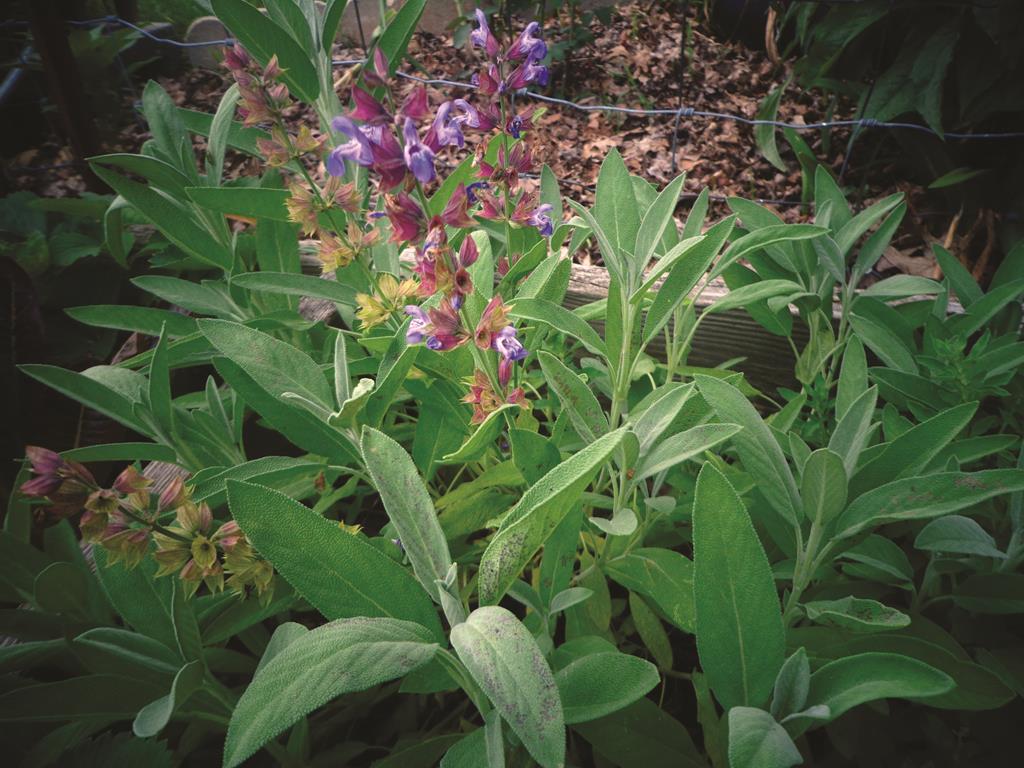
SAGE: (LEAVES) An anti-spasmodic
ST. JOHN’S WORT: (FLOWER HEADS AND LEAVES) Enhances mood and calms nerves . Do not use for children
VALERIAN: (TWO-YEAR OLD ROOTS) Commonly used in Europe as a mild sedative and sleep aid
VIOLET: (LEAVES AND FLOWERS) Often grows wild and has a light sedative effect
(*All these plants will grow in the NW Florida area)
[divider] [box type=”shadow” align=”aligncenter” ]SLEEP-INDUCING TECHNIQUES- Avoid caffeine the last half of the day
- Exercise and light exposure during the day
- Do not eat after 8 PM • Turn off the TV and the computer an hour or two before bedtime
- Dim the lights and read by soft light (but not a backlit device) near bedtime
- Take a hot bath, drink warm milk
- Soothing music
- A cool and quiet room and a comfortable bed and pillow
- Also make sure you do not have sleep apnea.
SOURCE: Herbs For Life! Understand, Use and Grow Your Own Medicinal Herbs, Linda Mix, RN, 2011 . Contact information: www.MedicinalHerbsForLife.com or Linda@MedicinalHerbsForLife .com[/box] [author image=”https://www.panamacityliving.com/media/2014/07/LindaMix.jpg” ]Linda Mix, R .N ., is the author of HERBS for LIFE! Understand, Use and Grow Your Own Medicinal Herbs, describing 98 plants with medicinal properties, with full color photographs, covering how to use the herbs for health benefits and culinary use, and how to grow them. Linda grew up and lived in Panama City for over 30 years as an adult. She is a 4th-generation gardener with experience in a wide variety of soils and climates, growing and using many of the plants in her book. Linda has had an interest in “Alternative Therapies” for over 40 years. Her main goal is to help people improve their health practically, intelligently and safely. Contact information: Linda@MedicinalHerbsForLife.com and www.MedicinalHerbsForLife.com. [/author]