
A Helping Hand for Nature: RESTORING SEA OATS AND DUNES IN MEXICO BEACH

BY VAL SCHOGER
PHOTOGRAPHY BY MIKE FENDER
Storms have a devastating long-lasting impact. When Hurricane Michael made landfall in Mexico Beach in October 2018, the storm surge reached more than 19 feet above mean sea level. Pounding waves and wind turned houses and other structures into rubble. The small beach town’s power and water supply was impaired for months and the recovery of its infrastructure is still ongoing. Mexico Beach’s popular fishing pier was destroyed and the once tranquil sand dunes were flattened, wiping out the sea oats that helped create them.
Apart from their picturesque look on the crests of sand dunes, sea oats are integral to coastal ecosystems. The deep roots of the hardy plant penetrate the sand. In a slow process, the sea oats help form and grow larger sand dunes. The long spindly sea oat leaves provide habitat for nesting birds, and in the fall, its seeds feed native and migrating wildlife. But while it tolerates salt and is resilient against the elements, the plant cannot tolerate waterlogging and will die within a few days if flooded and battered, just as it happened during Hurricane Michael. It takes years, even decades, for dunes and sea oats to regenerate on their own.
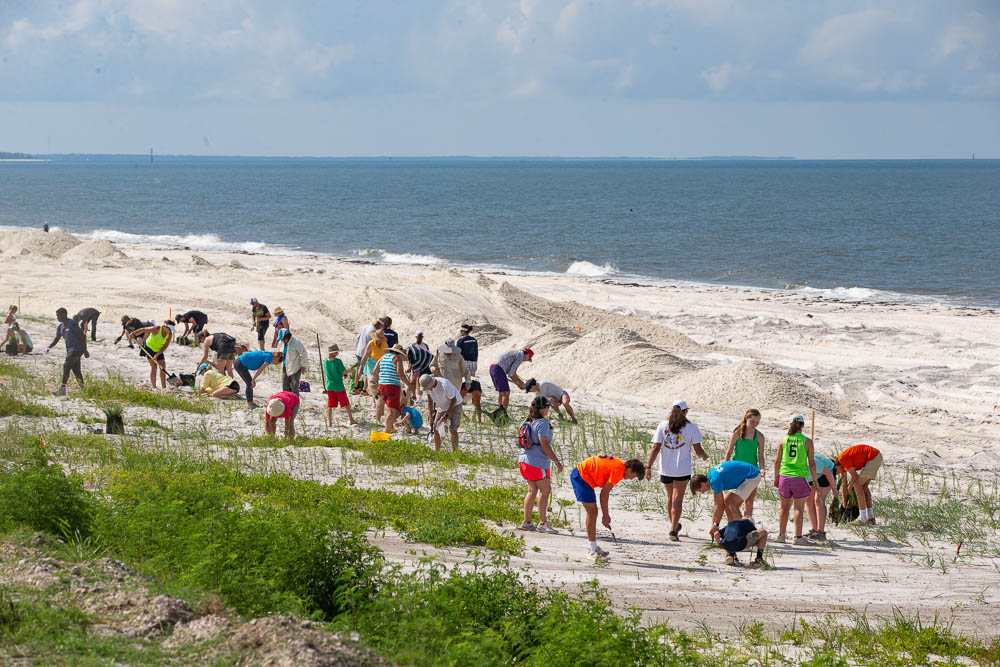
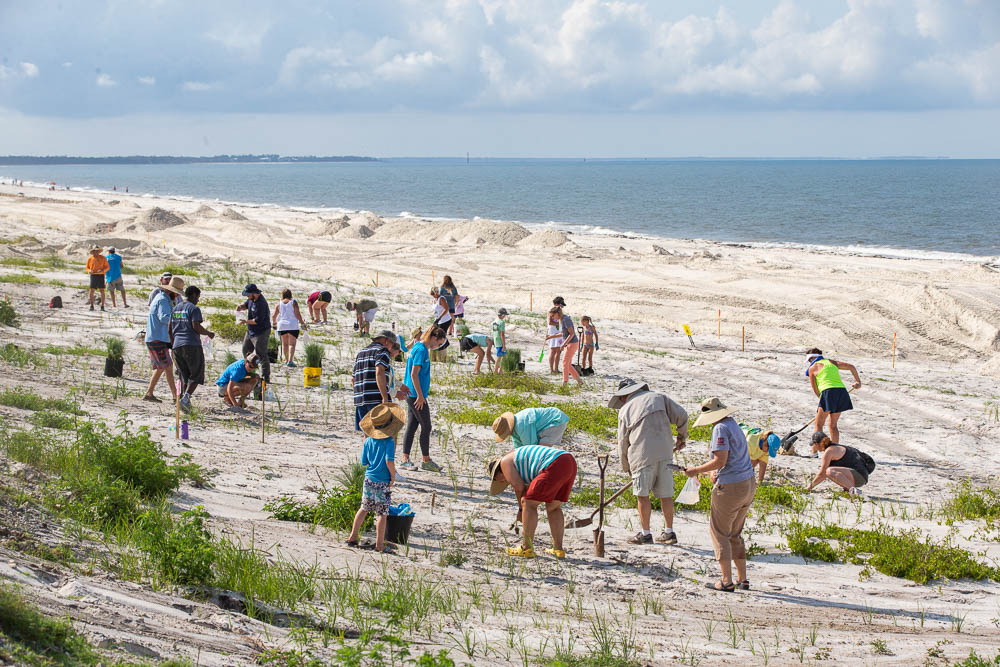
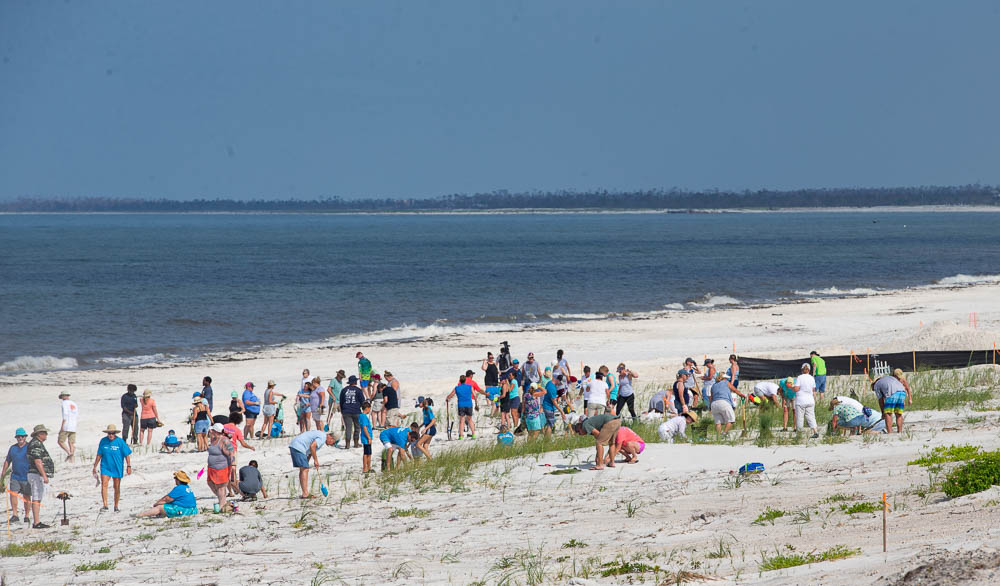
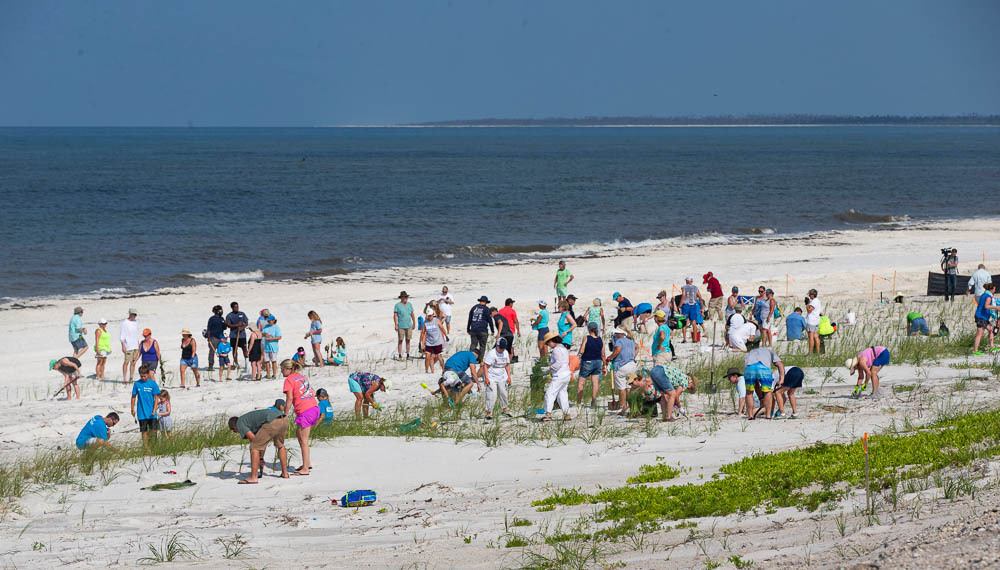
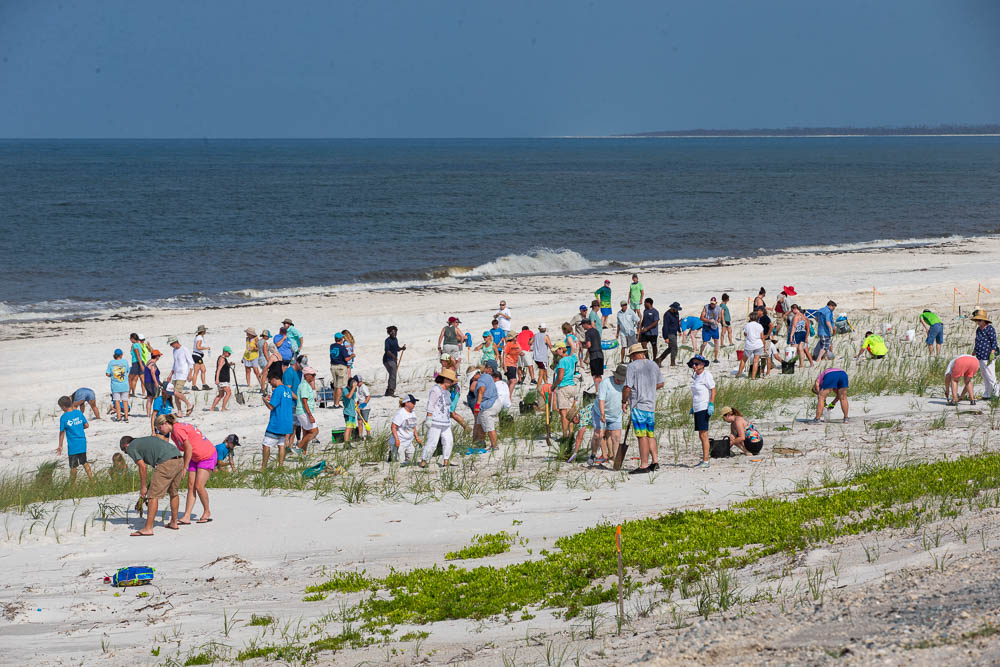
Eight months after the storm, Duke Energy donated 15,000 sea oat plants to Mexico Beach in an effort to jumpstart the recovery of the town’s impacted coastal ecosystem. A call to volunteers to help with the planting had an overwhelming response. More than 300 people showed up and even more had wanted to come to help.
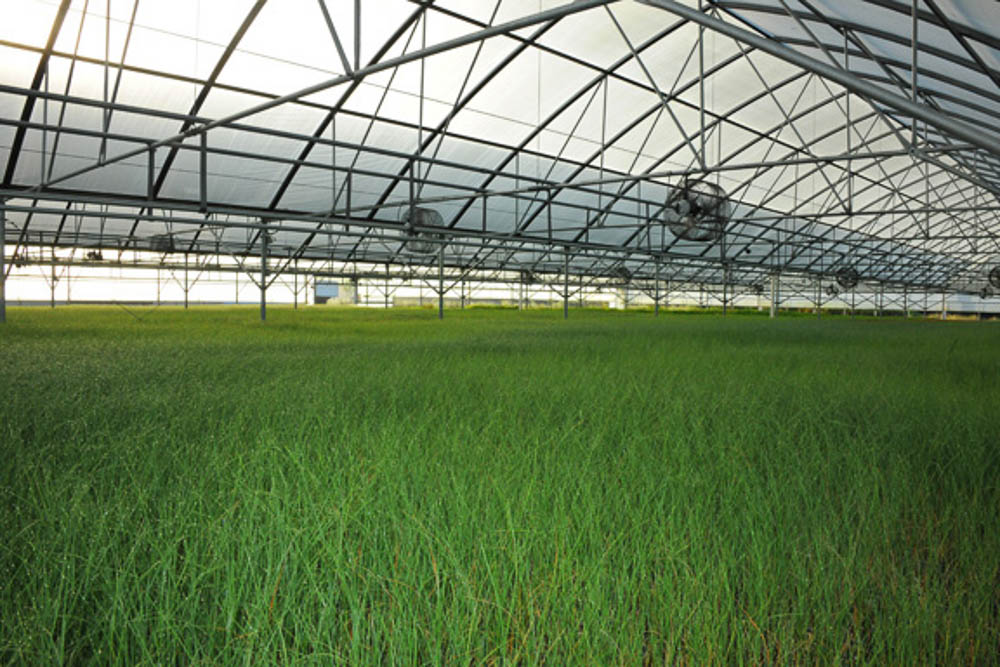
Where do 15,000 sea oats come from? This particular batch was ordered from a South Florida growing facility that is permitted to collect the seeds of plant species in their natural habitat and grow them in greenhouses. Arriving in neatly stacked trays, the sea oats were moved by volunteers into buckets for better handling and planting by the workforce. Equipped with shovels, buckets of sea oats, and buckets of hydro-gel, a water-soaked polymer that helps provide consistent moisture to the roots of the young sea oat transplants, the volunteers headed to their designated beach in small groups of 10 to 15 people.
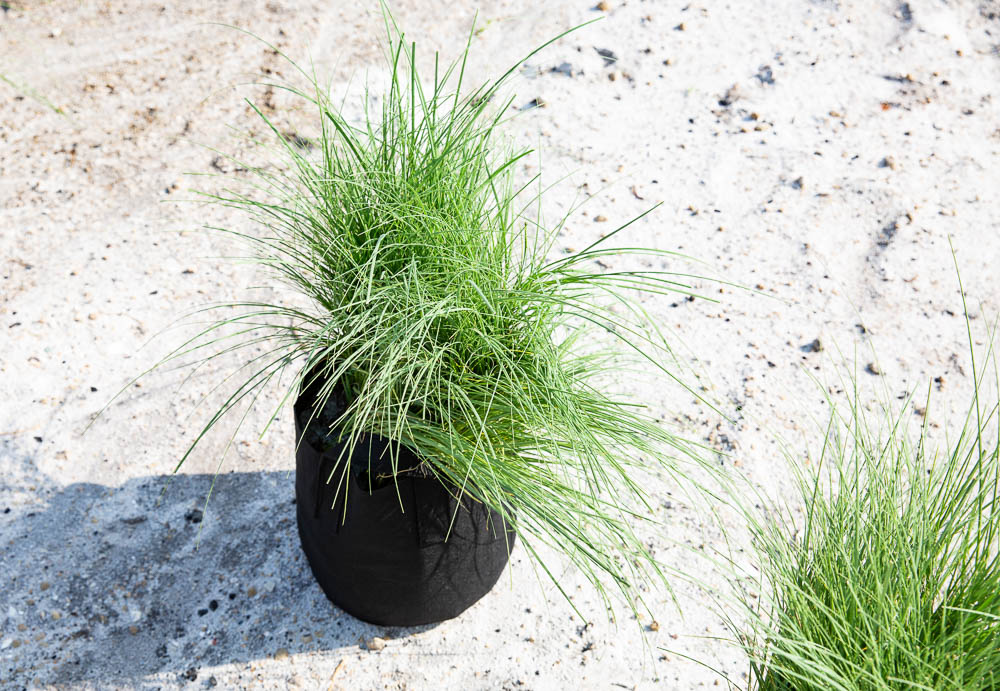
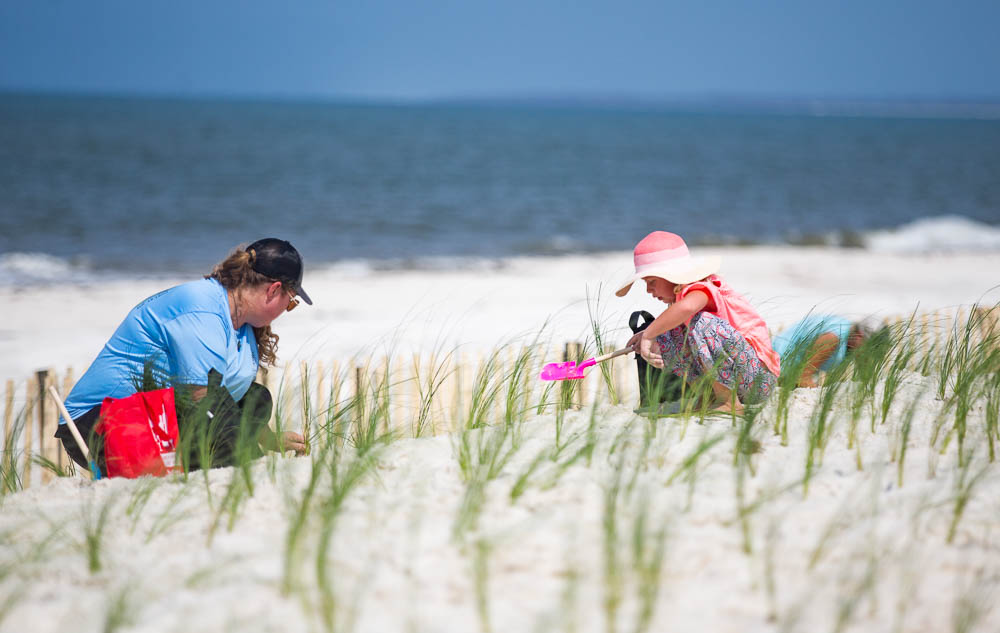
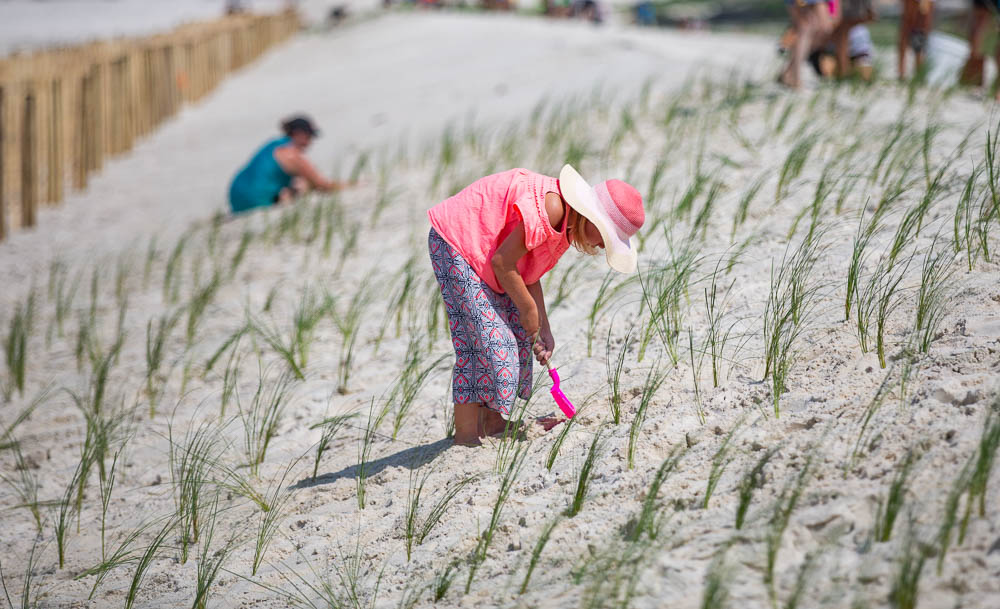
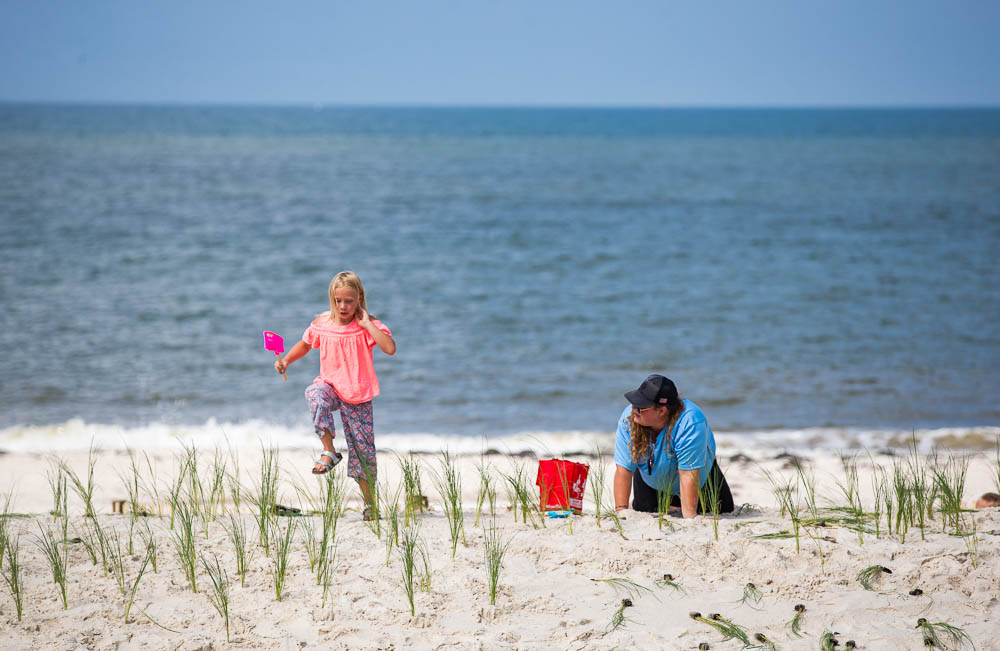
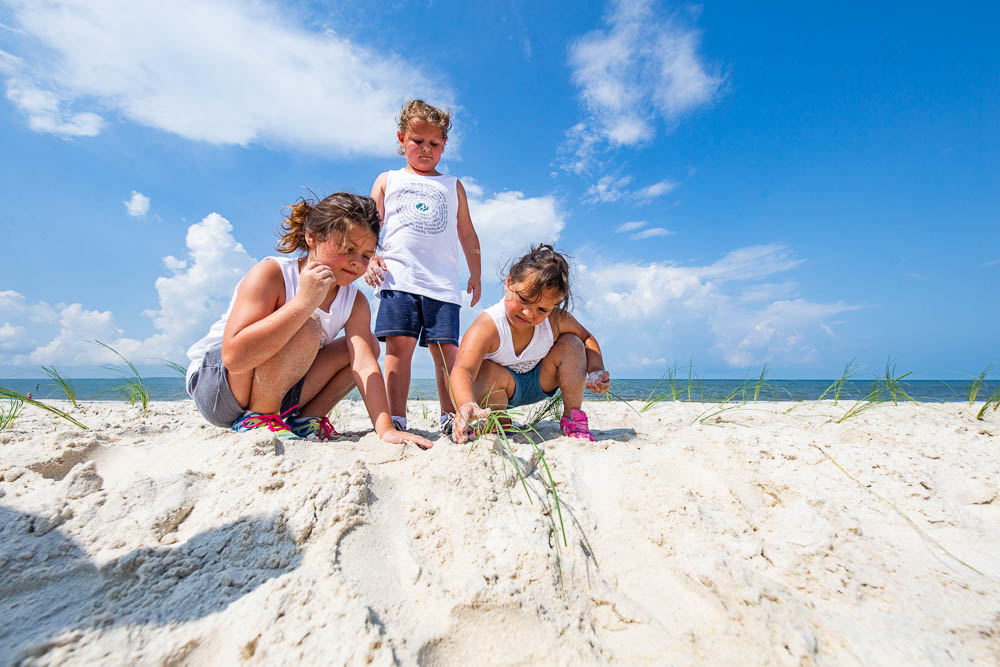
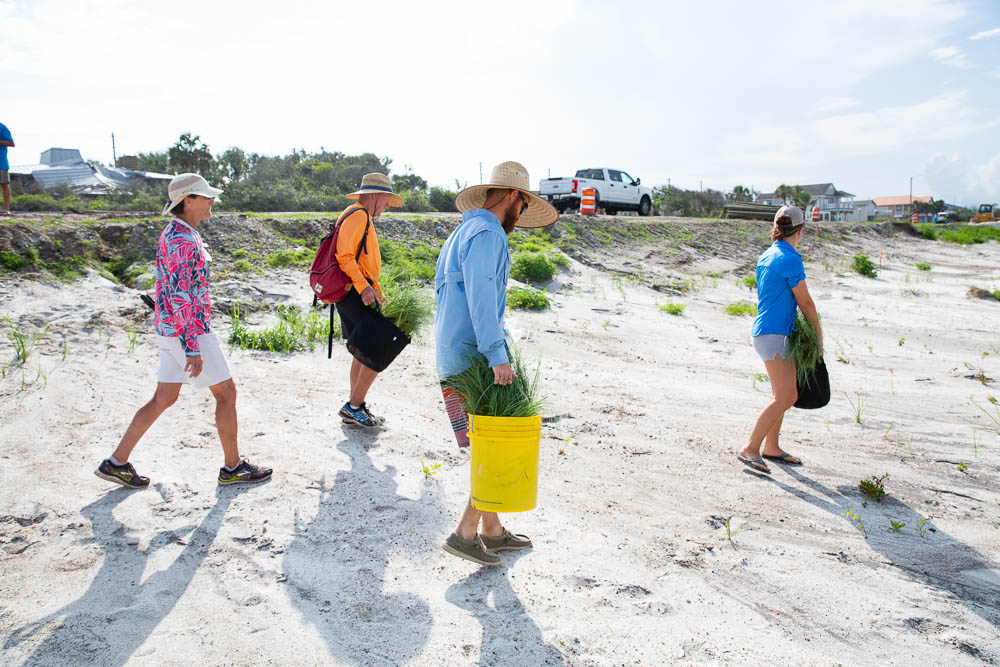
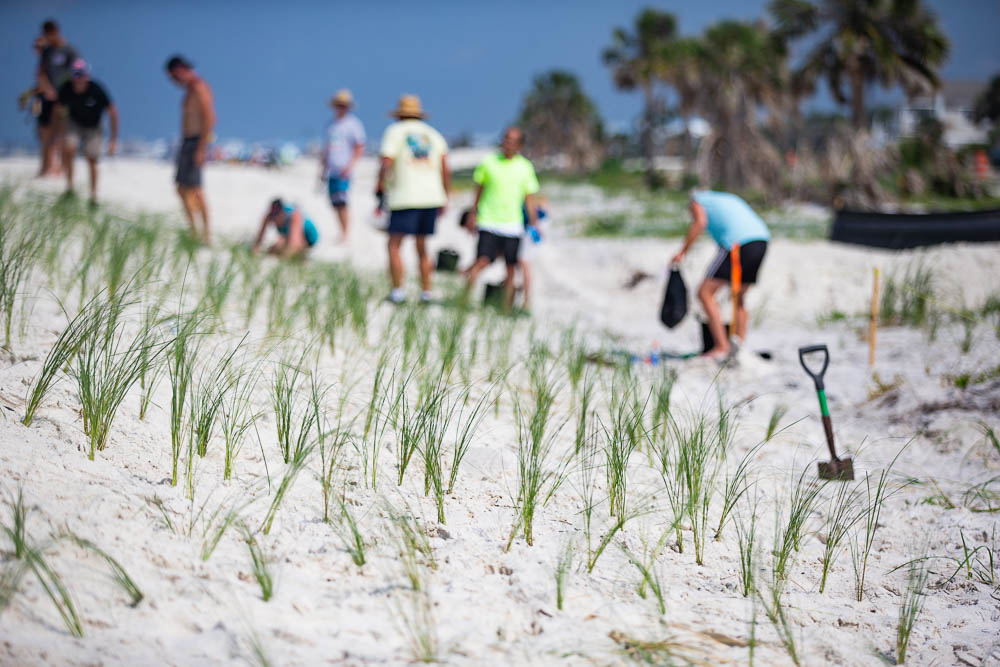
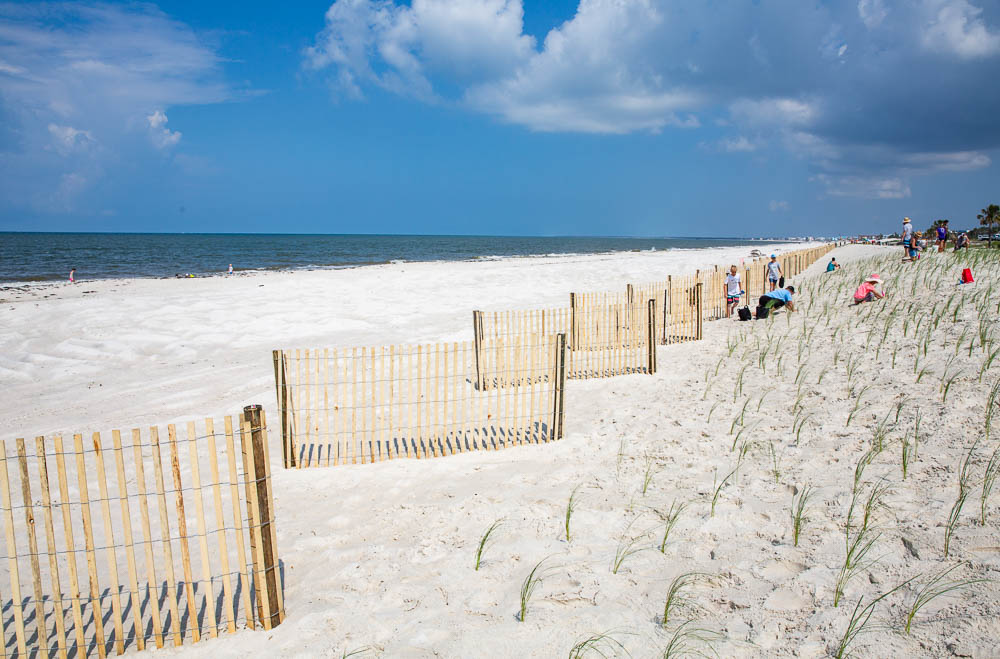
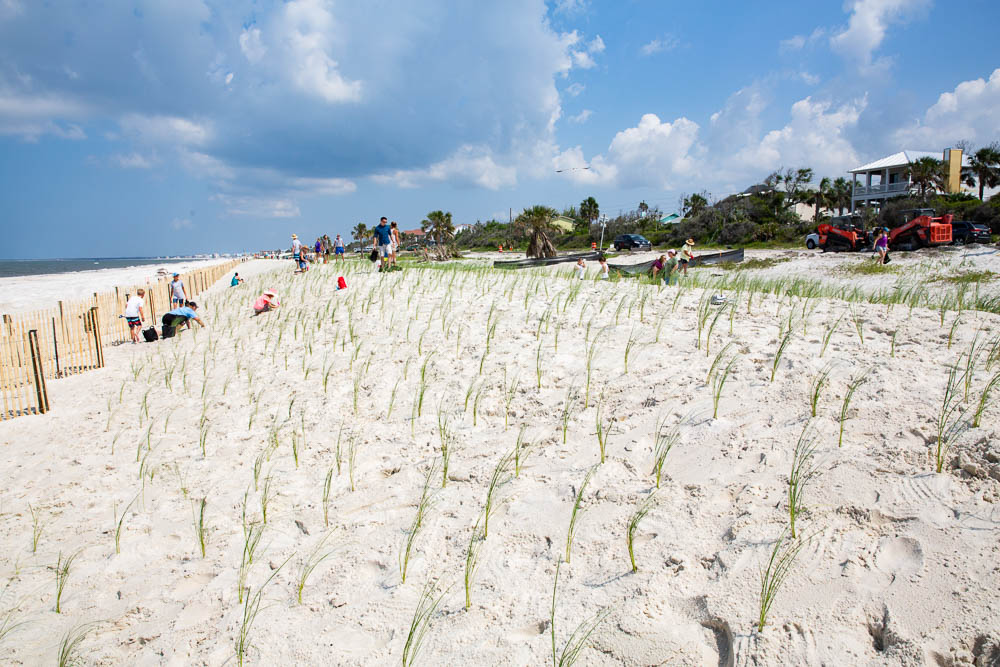
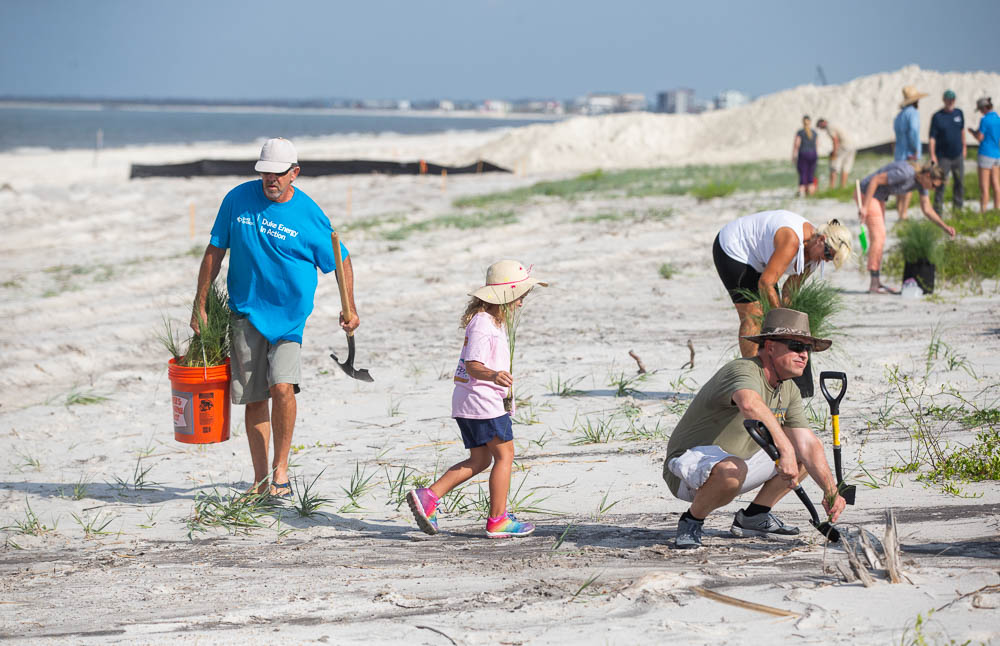
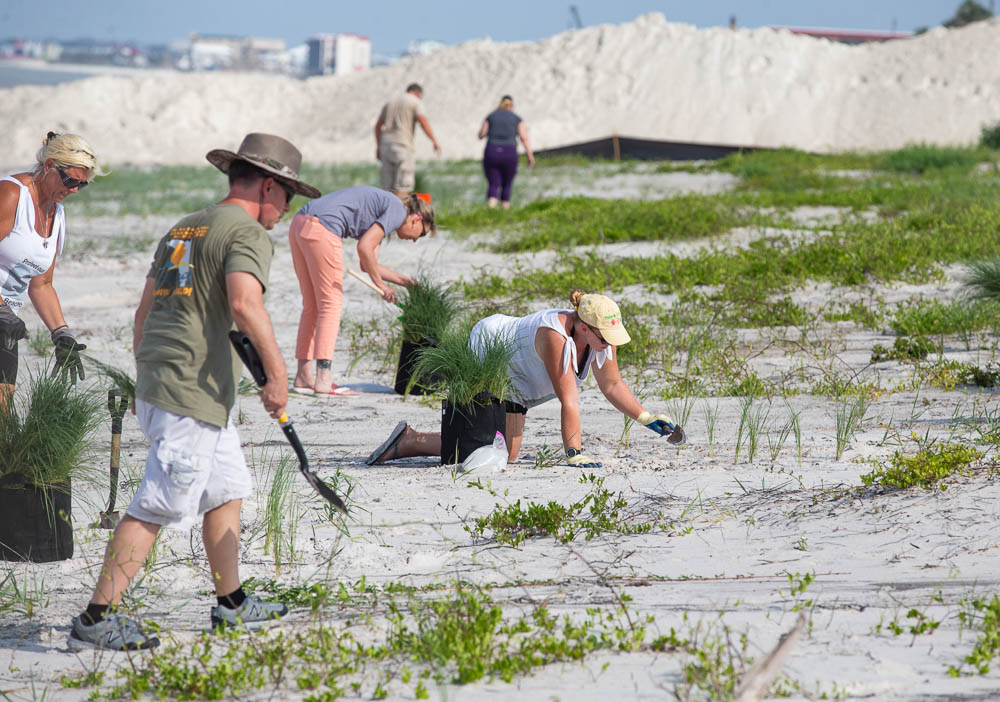
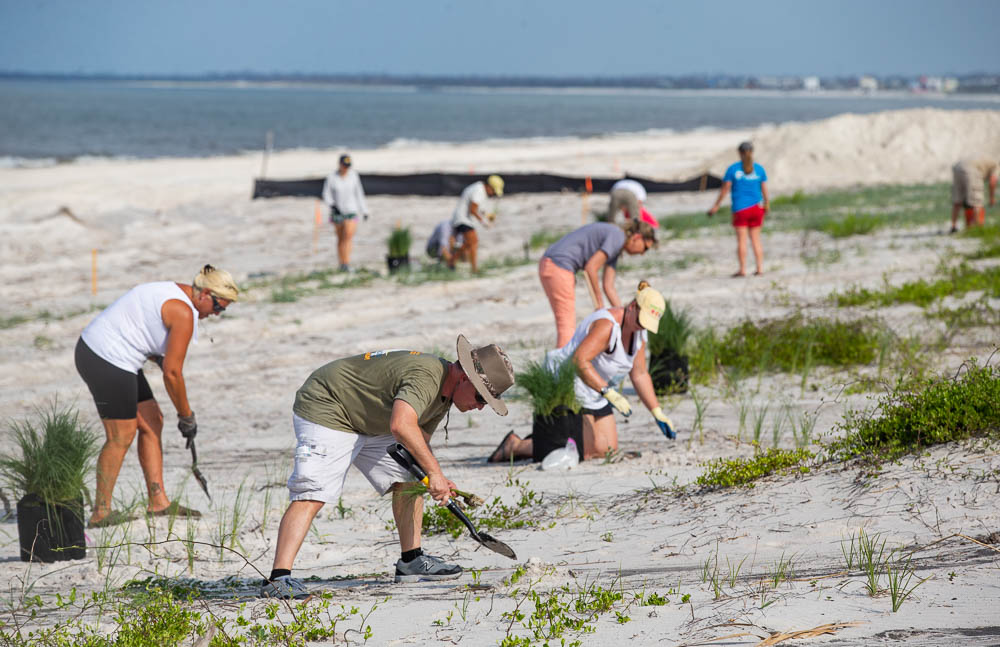
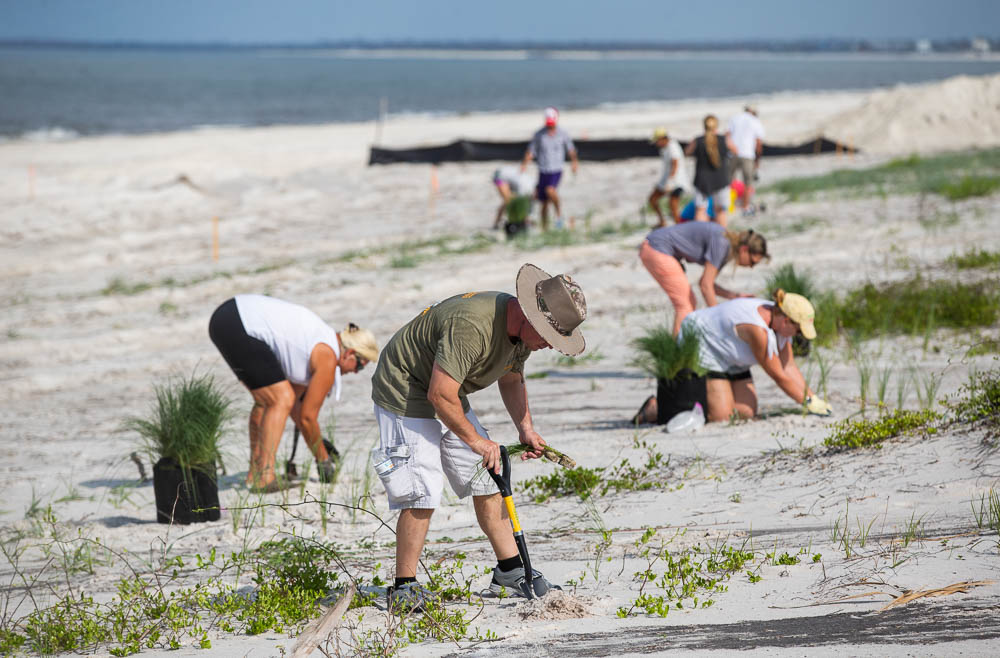
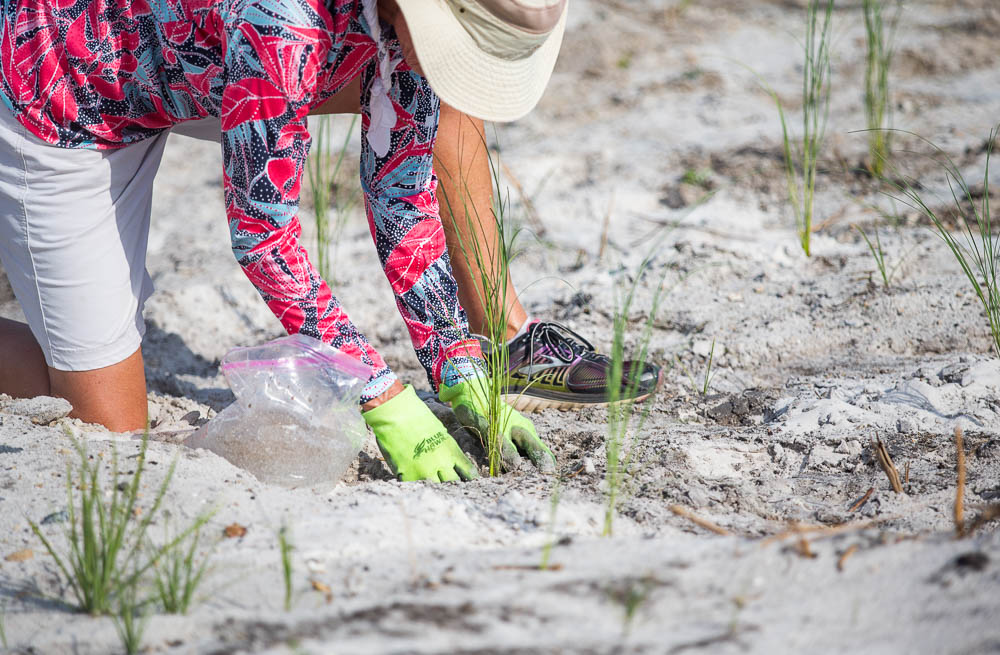
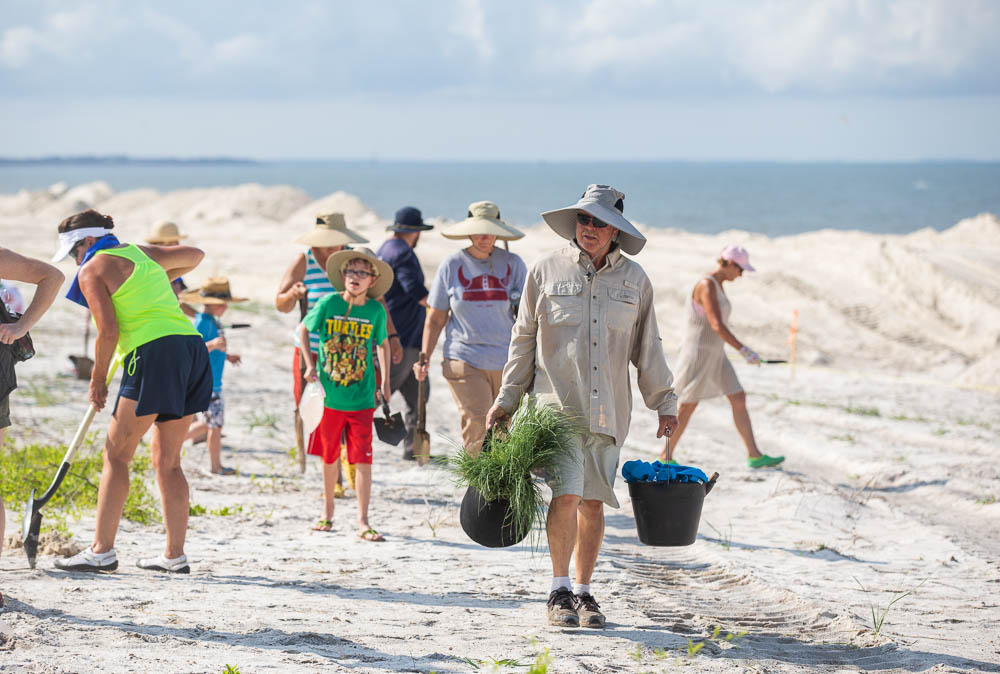
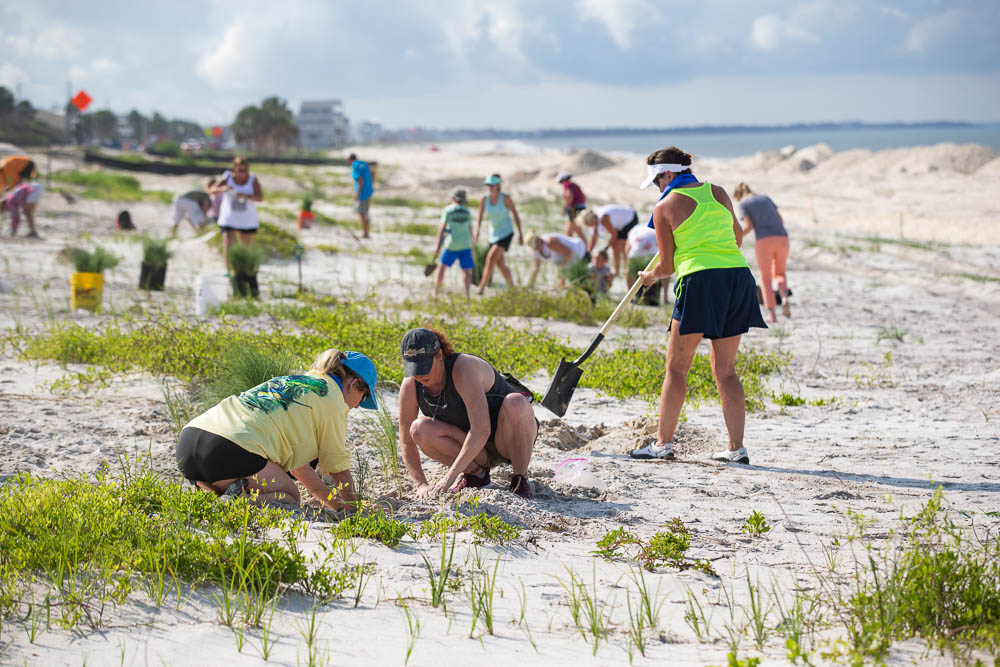
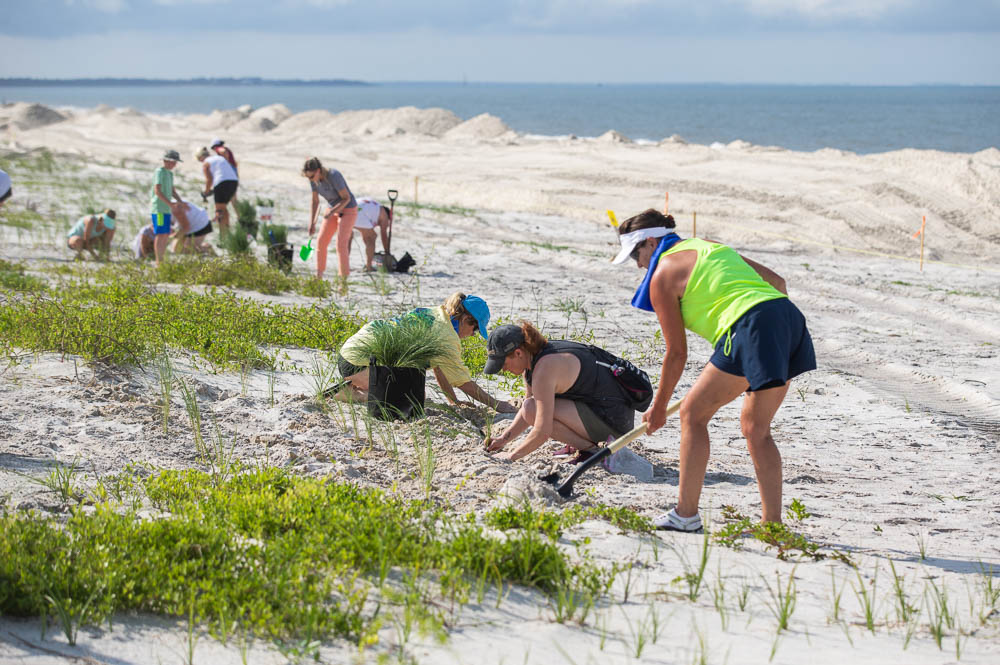
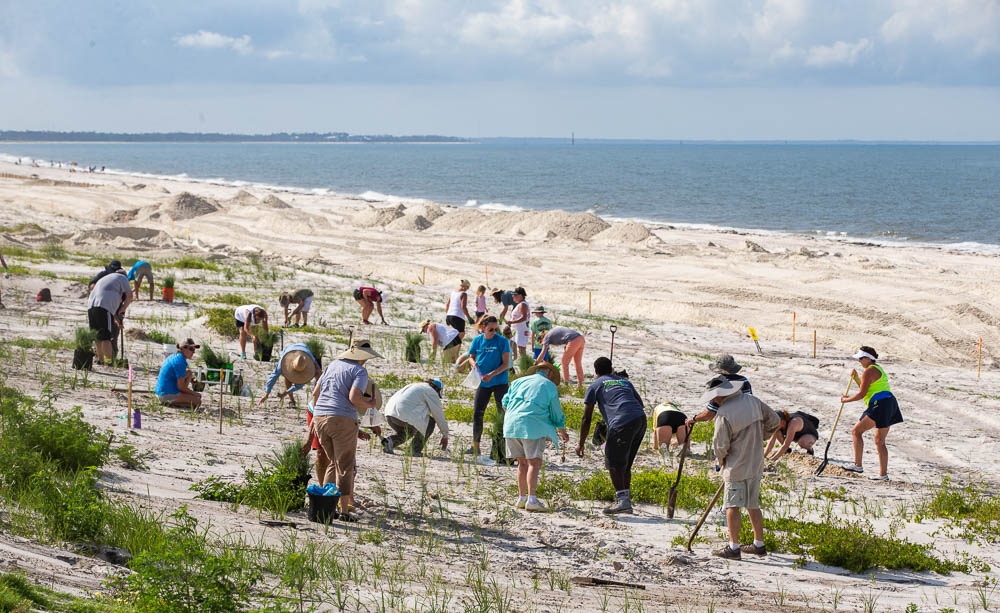
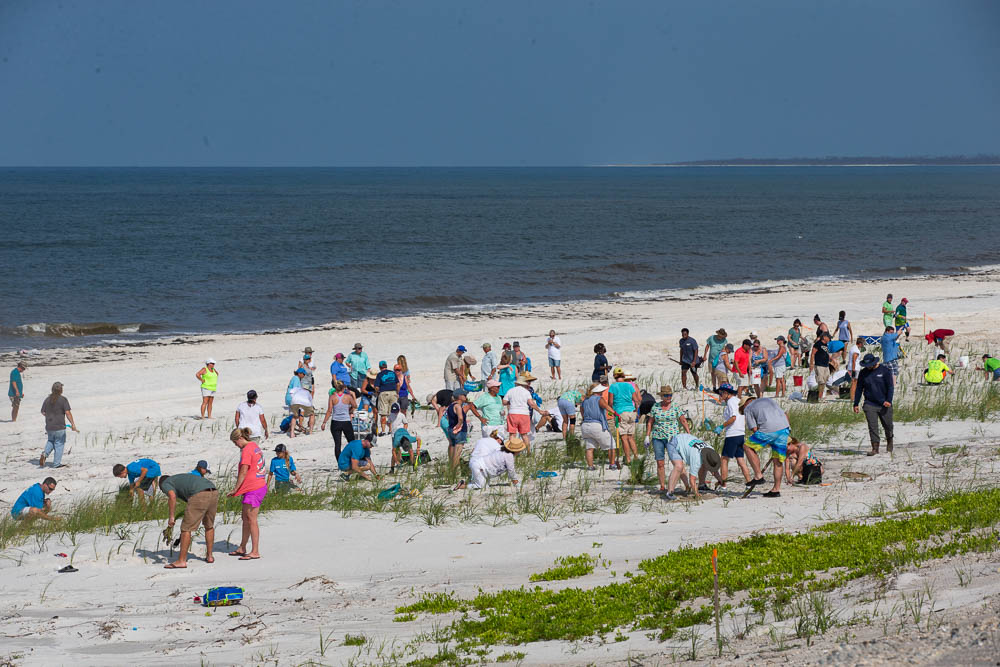
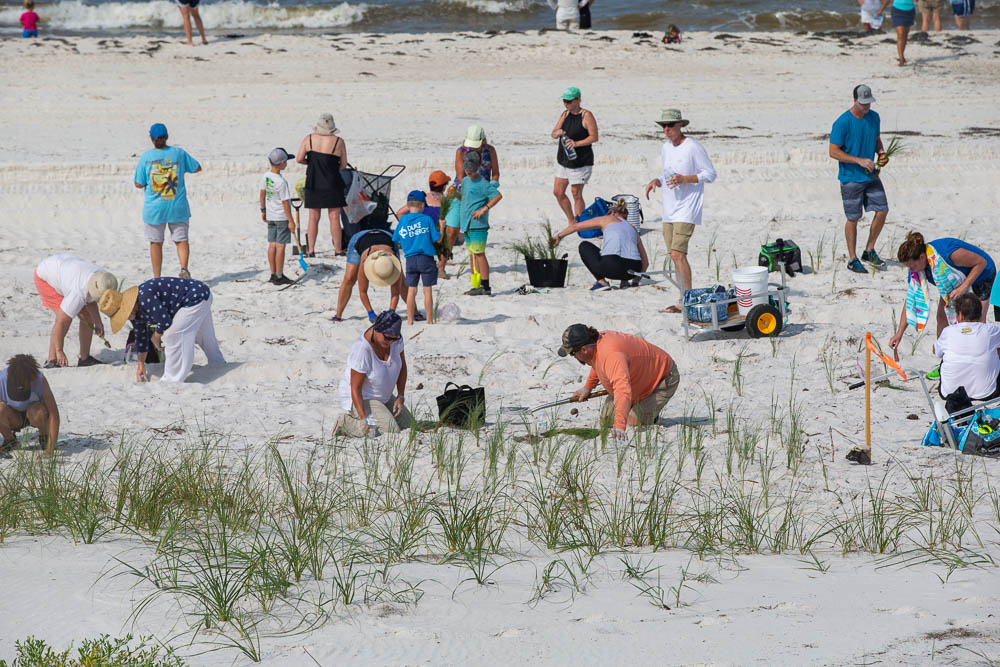
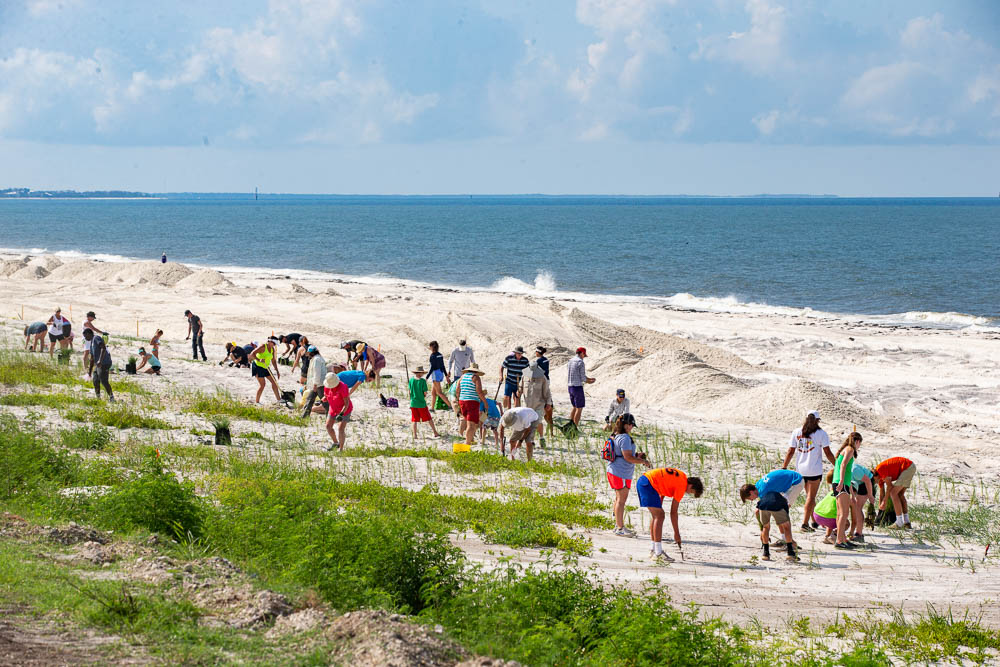
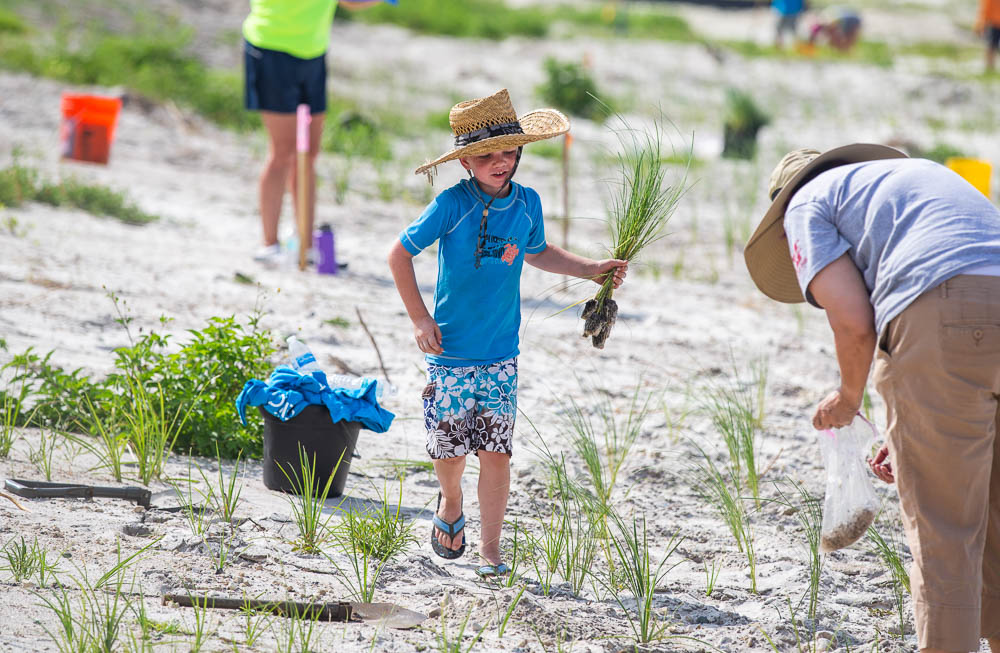
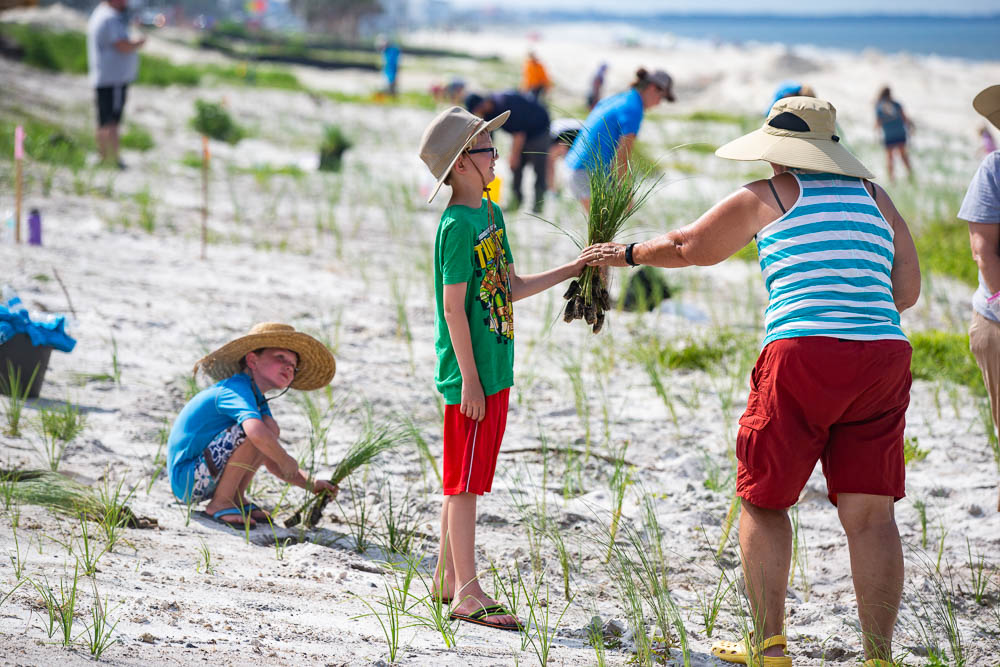
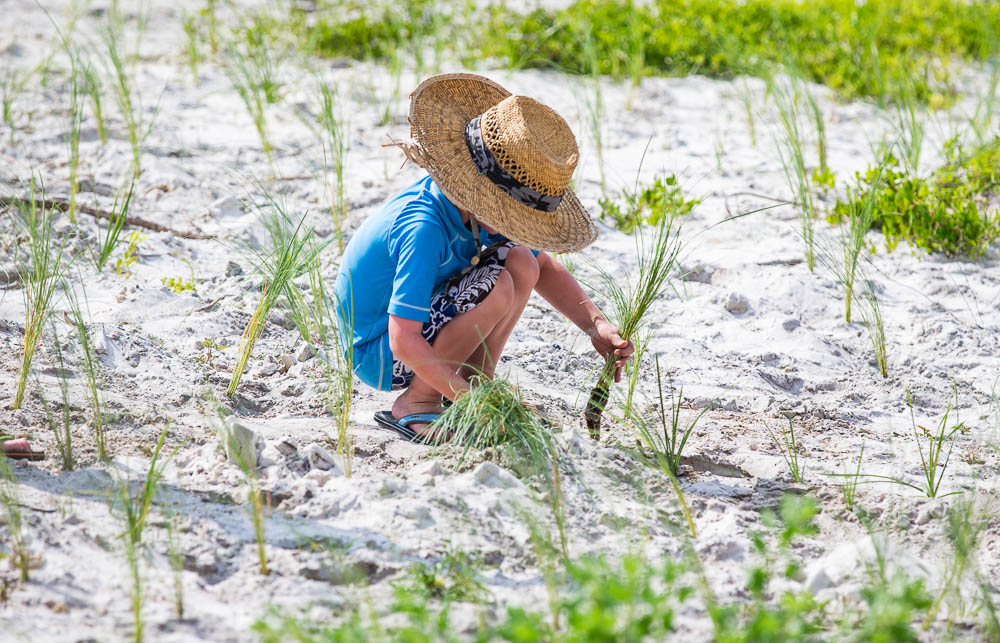
Joe Taylor, executive director of Franklin’s Promise, a non-profit organization that has supported this and similar projects for the past five years, explains that the process is relatively easy. “Other than shovels, spades, and hydrogel, we do not need other equipment to plant the sea oats,” he says. “The process of planting is that you do it in a fairly random organic pattern. Typically on the dune, so it gathers more sand and helps to rebuild the dune itself. You plant it at a medium depth but not too deep.”
With so many helpers, by the end of the day, rows of young plants covered a stretch of Mexico Beach, giving hope that in a few months, the landscape will be transformed again to the coastal dune landscape locals and visitors came to know and love.
But it takes months of planning and permitting to get to the point of hands-on work, Joe Taylor explains. All restoration efforts need previous approval by the environmental protection agency (EPA), and by the time the field work takes place, all logistics and resources have to be in place for the project.
Compared to other challenges Mexico Beach is facing, the volunteer-driven sea oat restoration project back in May was small, but very impactful. Dina Bautista, an engineer with Dewberry engineering firm, has been contracted with the City of Mexico Beach as consulting engineer. She oversees the assessment, planning, and rebuilding of critical infrastructure and utilities for the City of Mexico Beach. “The response to the sea oat replanting event showed that the community will rally to restore their home,” she says. “We were positively surprised with how many people wanted to come and help us with the planting. We received 5,000 more plants for that day and were able to plant 20,000 sea oats in total, which covered an area of approximately 800 linear feet of public beach.”
As a resident of Mexico Beach, Dina Bautista and her family, like so many others, have faced destruction and challenges. Her house was uninhabitable after the storm. When it came to planting and restoring the sand dunes and sea oats, her entire family mobilized and helped with the volunteer efforts. Her mother, a retired educator, was the volunteer coordinator. For the people who came to volunteer, many of them city employees and residents of Mexico Beach and neighboring cities, the beach restoration efforts are deeply personal and emotional.
This effort was a prelude to a much larger project that is currently ongoing: Mexico Beach’s dune restoration project. “To comply with FEMA flood management guidelines and five-year flood projections, we are creating a berm, or dune, that will provide a first defence against flooding along the entire stretch of the City of Mexico Beach’s public beach. We anticipate completion of this project by October 1 this year,” Dina Bautista explains. “The berm will stretch a length of approximately 17,000 linear feet. It is not as tall as our dunes were, but it will be populated with sea oats that will help it grow. We will be planting the seed, so to speak. The dunes will grow from there.” She adds that walking on or over the berm will be prohibited but there will be more than 40 accessways and walkovers for public beach access.
What other projects are on the City of Mexico Beach’s priority list? Dina Bautista explains that there are many. “We are very much still in the recovery process. Right after the storm, we had to get our infrastructure back. Since then, with the approach of hurricane season, the beach berm became a high-priority project and is almost completed. And recently we have been working on mitigation and resiliency and part of that is restoration. More of a long-term project is the regional storm water detention and wetland restoration along with providing greenway trails and city-wide opportunities for recreation.”
When we ask for her personal priorities and how it feels to live in Mexico Beach right now, the answer is prompt and shows her and the city’s determination. “A big step for everyone moving forward is to get people back into their homes and establish a sense of normalcy and I think everyone is going about it differently and has various struggles. I feel that we are all moving into the same, positive direction and I can visibly see growth and improvement happening everywhere in town. We are dedicated to keep that momentum going. When I look at my kids, I am very proud of how they are dealing with all the changes with resilience. They are looking to the future with a smile and that’s making all the difference.”
To find out more about the progress that is being made in Mexico Beach, take a short drive and visit the recovering city, eat at one of the local restaurants and chat with the residents—your support will be appreciated. Follow the City of Mexico Beach on their Facebook page for updates and volunteer opportunities.