
A Modern Day Princess


As our family walked out of the theater having just watched the latest installment of the Disney franchise, Frozen, a tale about “fearless optimist Anna [who] teams up with Kristoff in an epic journey, (…) in a race to fi nd Anna’s sister Elsa, whose icy powers have trapped the kingdom in eternal winter”, we eagerly discussed our favorite scenes. I listened on as my six year old daughter and her three year old cousin recaptured the various parts that made them giggle, and I thought about just how far the portrayal of the princess has come. The modern day princess is elegant and kind, but she is also empowered. Long gone are the days of the demure damsel in distress, she no longer waits for her prince to come rescue her and save the day; instead she often times is the hero doing the saving.
As a mother of a young girl, I have a concern over the stereotypes that she will inevitably be forced to face and has even encountered at her young age. I was never worried though about what kind of infl uence the role of a princess played on her long term psyche. I never once gave it a second thought that she would be sit- ting idle waiting for her prince to come rescue her. It is true that “Once upon a time” these were regarded as virtues and this was indeed the model of a princess; but as times have changed so has the idea of a princess.
Looking back at the classic tales such as Snow White, Cinderella, and Sleeping Beauty, the now outdated version of the fragile, more oppressed princess was evident. But our modern day princesses have brains, spunk, and sometimes even a little clumsiness which are all characteristics that are not only accepted, but are embraced by the children of today. Disney’s young princesses are fierce scholars, warriors, and entrepreneurs. While most of these fairy tales still portray a male character that does come to the occasional rescue or offers a helping hand from time to time, it is clear that in the end, it is the heroine who is the true hero of the story.
The concept of this edgier princess is not entirely new, she was first introduced with the 1991 release of Beauty and the Beast. Belle came to us like a breath of fresh air, she was intelligent and headstrong, and it was she who saved the prince from the spell that had been cast upon him. All subsequent princesses followed in this independent and spirited model. Brave, however, marked a major turning point for the princess generation showing that a princess not only didn’t need a man but she was better than most men. This story included no male sidekicks to come to the rescue in any way. Instead the young princess Merida protested the idea of finding a suitable prince, and eventually proved to her mother that she was perfectly capable of holding her own.
While Frozen has the more traditional elements of the classic fairy tale with the idea of a male hero as the potential savior in the background, in the end it is the love that the two sisters’ share that saves the day. This ongoing trend of the fierce princess has even overtaken the traditional fairy tales Cinderella and Snow White. Granted these overhauls were not of Disney origin, but in the non-animated productions Ever After, Snow White and The Huntsman, and Mirror Mirror, the princesses take full charge and jump right in to save themselves and those around them.
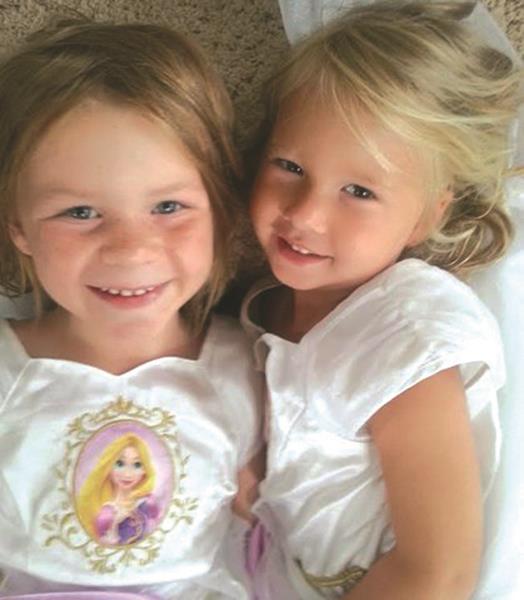
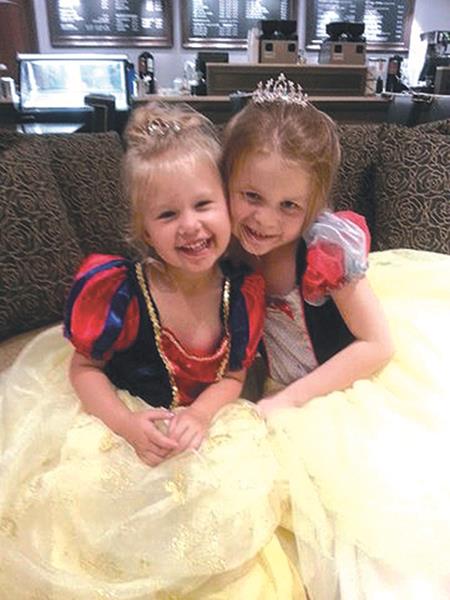
As I sat down to write this piece my daughter was having a slumber party, I decided to do a little social experiment to confirm my thoughts on the matter and I drew a deep breath and summoned the girls. I asked them what they thought being a princess was. They told me it meant that you were caring, and graceful, but that a princess is also powerful. I then asked if a princess needed a prince to come help them. You would have thought I had suddenly grown a third arm. There was stunned silence and a look of confusion that washed across their faces. “Why would a princess need a prince to come save her? She can save herself with her sword and arrows,” the first little girl chimed in. Another (slightly older) girl quickly made reference to the classic Disney Snow White and said how she “actually finds her annoying…because she doesn’t do anything.” They then immediately started recalling various scenes of the different movies where these modern day princesses took action. Smiling I told them to go and play where they made a beeline for the dress up bin and promptly returned to the living room with bows and arrows and light sabers in hand.
Since the introduction of the first princess, Snow White, back in 1937 Disney has drawn disapproval from feminist groups, and as time evolved and the introduction of historical and ethnic characters emerged the criticism only grew. Disney’s female protagonists have evolved with the times and I am glad my daughter is experiencing the modern prin- cesses rather than the traditional ones. It is not Disney or Hollywood’s responsibility to make my daughter into a strong independent woman, nor is it their job to educate her on historical events. It is mine as her parent to do this. I appreciate the fact that thru enter- tainment they bring things to life that draw interest in certain times or events, providing me with great teachable moments. I appreci ate that the princess craze is not a threat to modern feminism, that in fact it’s the opposite. It shows little girls that it’s ok to be charming, elegant, and to embrace her feminine side and at the same time she does not need a prince to run in and save her, that she too can wield the sword (or archery set!) and she is the hero of her own fairy tale.
By: Jenna E. Anderson