

Getting older with a Quality to Life


BY LORI BECERRA
Visiting with family and loved ones during the holidays is a blessing to many. Families are getting together to spend quality time, enjoy traditions, celebrate, reminisce over the past and make new memories.
For many it is the only time of the year when a busy schedule, career or distance will give them the chance to visit their loved ones. But coming home to visit the parents during the holidays might bare some bad surprises.
As an administrator for an assisted living facility, the holidays are my busiest time of the year. Last year during the holidays, while everybody else was celebrating, I received 26 new inquiries from visiting relatives who were in shock about the condition they found their parents in. While talking to their loved ones frequently on the phone, they did not anticipate that anything might be wrong. But once they came to visit the parent, grandparent or other relative, problems would become apparent.
A concerned daughter described how she came home after a year to find her 85 year old mother weighing only 75 pounds and the only food items in the house were sweets and wine.
In another case, the daughter of a widower and retired marine came home to find the water in the house turned off as a result of her father not paying the bills. He had an early onset of Alzheimer’s disease. The retired marine survived without running water and used his military survival skills to get by.
Often, there are issues that could have significant financial implications as in the case of a family who discovered that the parent had given donations for months to anyone who would ask for them by phone or via mail. Often, donation requests look like invoices and mislead a senior in believing that it is an outstanding payment due.
These are extreme examples. But in most cases they start with subtle signs and indicators. I am asking our seniors to be self-aware and keep up the regime. Visiting relatives who might not have time during the year should watch out for signs that might indicate a decline in health and quality of life.
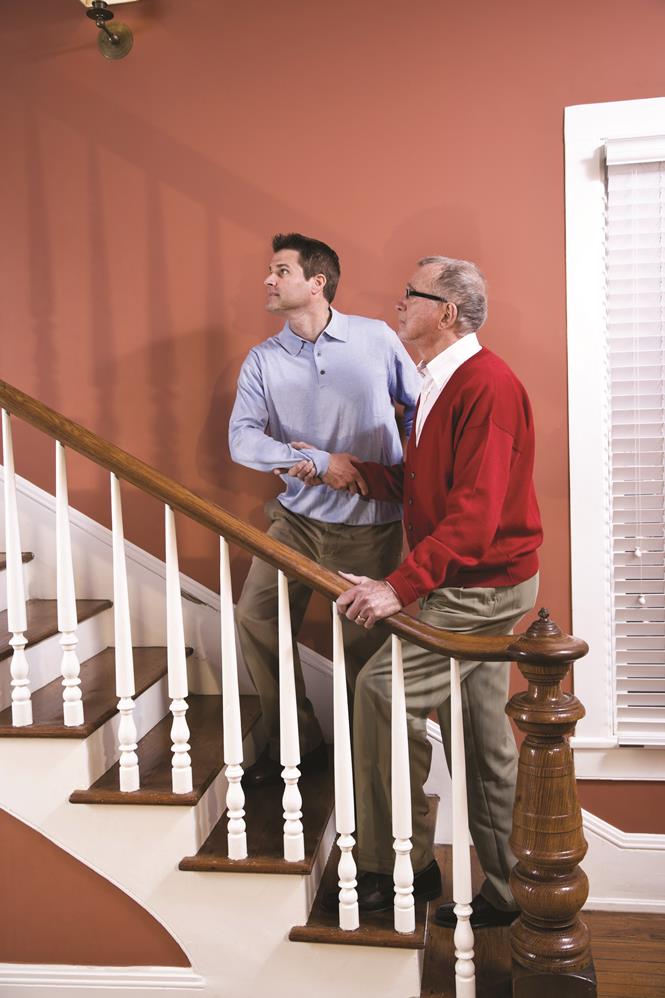
THE INDICATORS ARE:
General appearance, clothing and grooming – clean clothes and a nice and well-groomed appearance should be the norm and the same goes for the home or yard. If you are finding it difficult to keep up with your appearance, keep the house tidy and the yard mowed, it is time to assess the situation and find a solution.
Health – If there is weight loss or a lack of appetite or if medications become difficult to manage, ask your physician for immediate help. Seek the help of a professional if you notice a change in mood or demeanor or a lack of interest in activities that you used to enjoy before. If getting around is not as easy anymore, do not let it get to its worst and do not wait until an accident happens. Seek medical attention and realize when it would be better to find permanent and frequent help and assistance with care. A decline in health, frequent falls or hospital visits and admissions can be an indicator to re-evaluate the living situation to ensure care needs are met. Waiting for a crisis to arise can limit the options for solutions available.
Many of us might have experienced it already. As a parent gets older, the role of the child turns into the role of a caregiver. It is a reversal of natural roles between parent and child – and it can be tough for both to accept. Often children dread the conversation with a parent about giving up their perceived independence.
The inquiries from concerned relatives often start with an “I need a place for mom” or “I need a place for dad” and it makes me cringe at times. I do not see our older generation needing “placement.” They need a safe environment in which their care needs can be met with the added benefits of being among peers and an improved quality of life.
During the holidays, families tend to call me with a sense of urgency to understand more about assisted living and if it is an option for them. Assisted living is designed to offer a home- like environment and empower the residents to be independent.
I am often asked “How do I convince the parent to live in a retirement facility?” and my answer is to get the parent involved right away and show them what the facility has to offer and let them meet the staff.
Oftentimes, the parent will not even be aware of his or her loneliness and isolation before they experience the life among peers, where skilled and licensed staff will see them daily and where there is opportunity for hobbies, activities and communication. There are so many advantages to not living on your own – I wish more people would realize the opportunities. Waiting for a crisis to arrive may limit the options available for assistance. It is important to recognize any obvious signs and discuss possible solutions before it becomes an emergency situation.
[author image=”https://www.panamacityliving.com/media/2014/11/Lori-Becerra.jpg” ]Lori Becerra is the Executive Director of Superior Residences in Panama City Beach, an assisted living and memory care facility. Her career in the health field began in the Air Force Medical Corps. With 19 years of experience in healthcare, home healthcare and senior assisted living and a BS in Healthcare Administration. She is certified to be an Assisted living Facility administrator in Florida and has specialized training for dealing with those afflicted by Dementia and Alzheimer’s disease. She also serves on the board of directors for Bay County Alzheimer’s Alliance, is a member of Bay County Interagency Council for Aging, a member of the Case Managers Society of America and Bay County affiliation, Past President of Kiwanis Club of Panama City Beach and the Past Chair of American Cancer Society’s Relay for Life to name a few of her civic affiliations. [/author]