
Bay County’s Assets for Economic Growth – Interview with Ann Leonard, Director of Haney Technical Center


BY VAL SCHOGER
PHOTOGRAPHY BY MIKE FENDER
[dropcap]T[/dropcap]om P. Haney Technical Center opened its doors to students in 1966 and has worked in tandem with local businesses to provide training and education. Director Ann Leonard explains that the school coordinates its programs closely with local industry. “What we do in the actual classroom is very hands-on. We teach the actual work that students would be doing in the field in almost every program.* We have opportunities and classes that provide internships, where the students go out and work in the field. We have a number of students right now who are employed by various businesses in town and they work part-time for those businesses and then come to school part-time for the same program that they are studying in.”
With Haney’s schedule, some students have the opportunity to work and get paid while receiving their training. “Different partners in the community are supporting our students by helping pay their tuition or a portion of their tuition,” Ann Leonard says.
The list of supporters and sponsors counts more than 50 local businesses and industry members, with strong representation of the area’s largest employers.
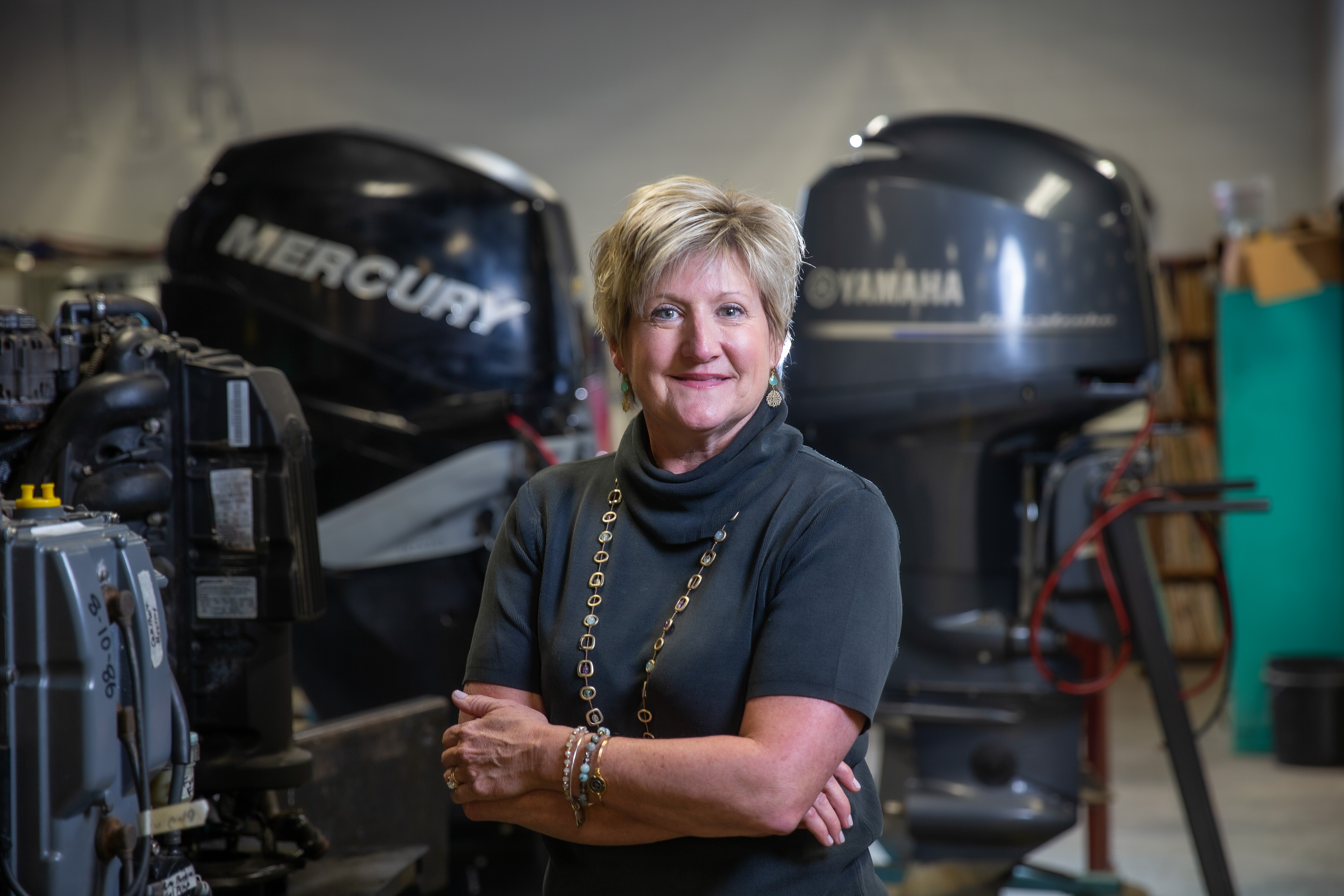
Some Haney Tech students travel extensively to attend the technical courses, from as far as Gulf, Franklin, and Washington County. There are 400 to 500 students that enroll at Haney each year, with around 70 percent of them graduating the programs, of which around 70 to 80 percent find or have immediate employment in place upon graduation. The employment rate for graduates from the Automotive Service and Marine Service programs is 100 percent, Ann Leonard points out. Other above-average placement rates are for graduates in the Electricity program with 89 percent, Practical Nursing with 85 percent, Air Conditioning, Refrigeration and Heating Technology with 86 percent, and Administrative Office Assistant with 86 percent of its students finding or having jobs after graduation.
The lifelong career technical educator explains that Haney collaborates with local industry to secure jobs for its students and to ensure that the programs remain relevant and timely. “Each of our programs is required to have an advisory council that’s made up of local business and industry partners for that specific subject area as a requirement of our accrediting agency, the Council on Occupational Education. Our business partners are sharing their educational needs with us if they are not in the curriculum. It is something that we might have the capability to assist students in learning. It’s a really good two-way interaction that benefits the business and industry partners and that is also very valuable to us as educators.”
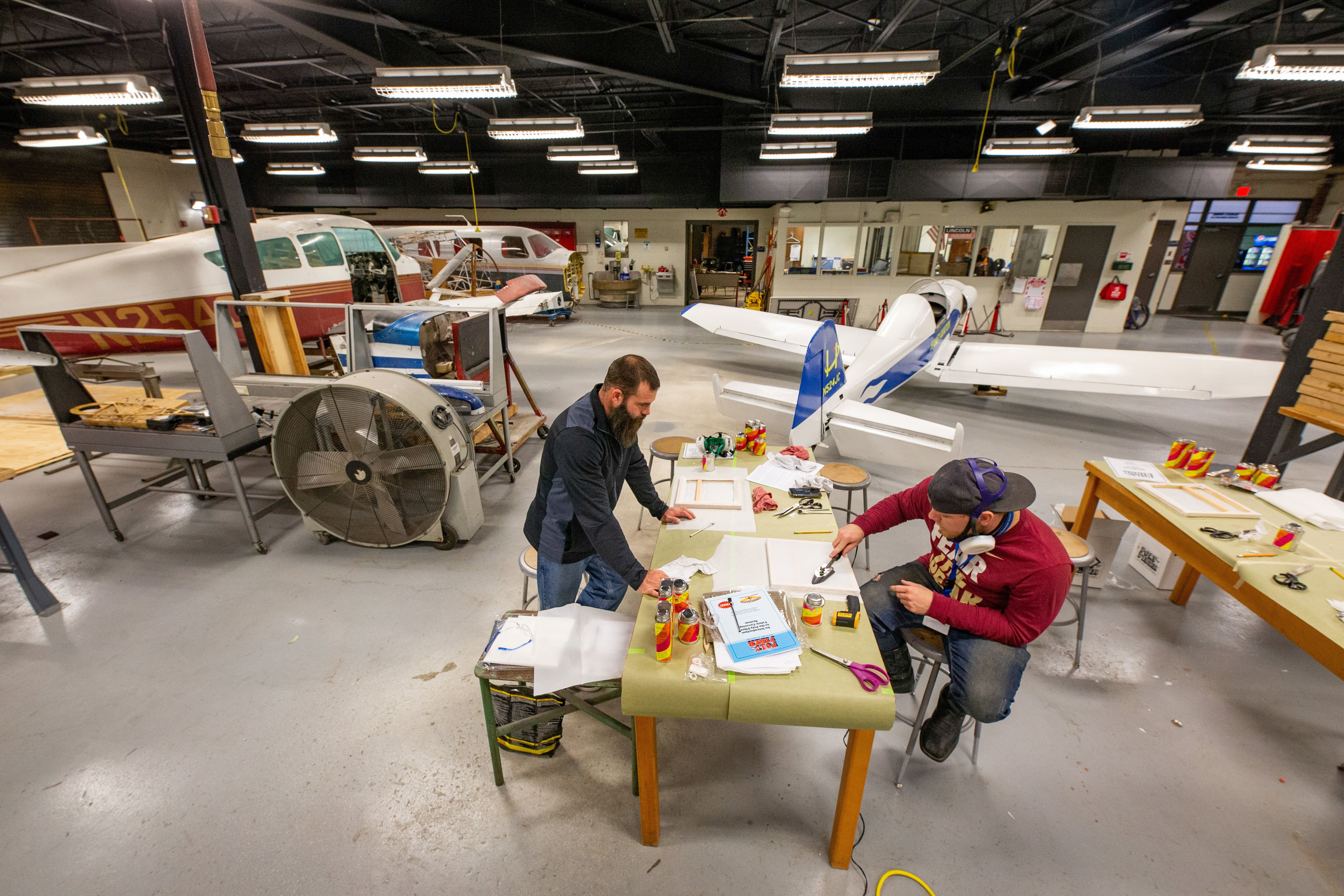
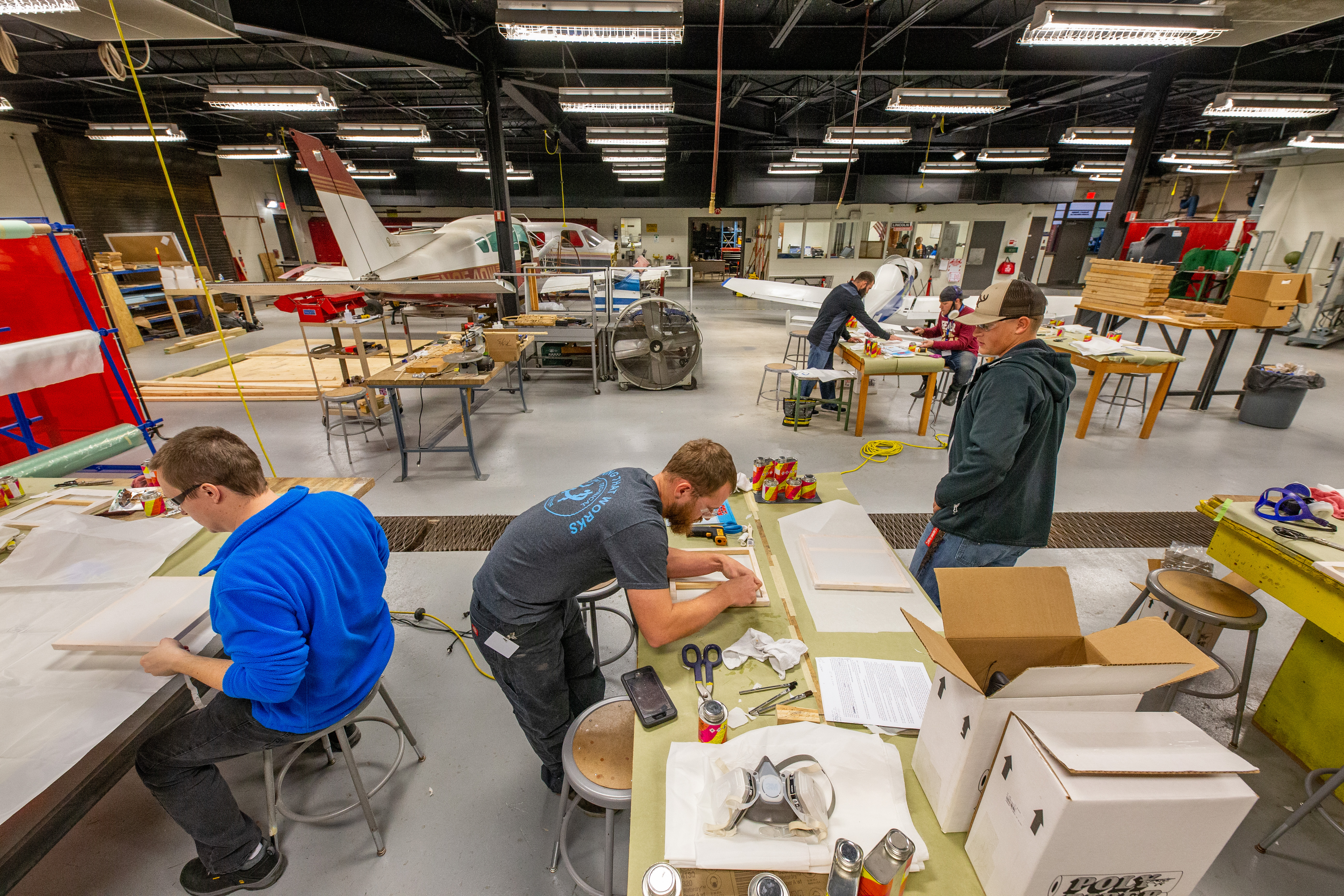
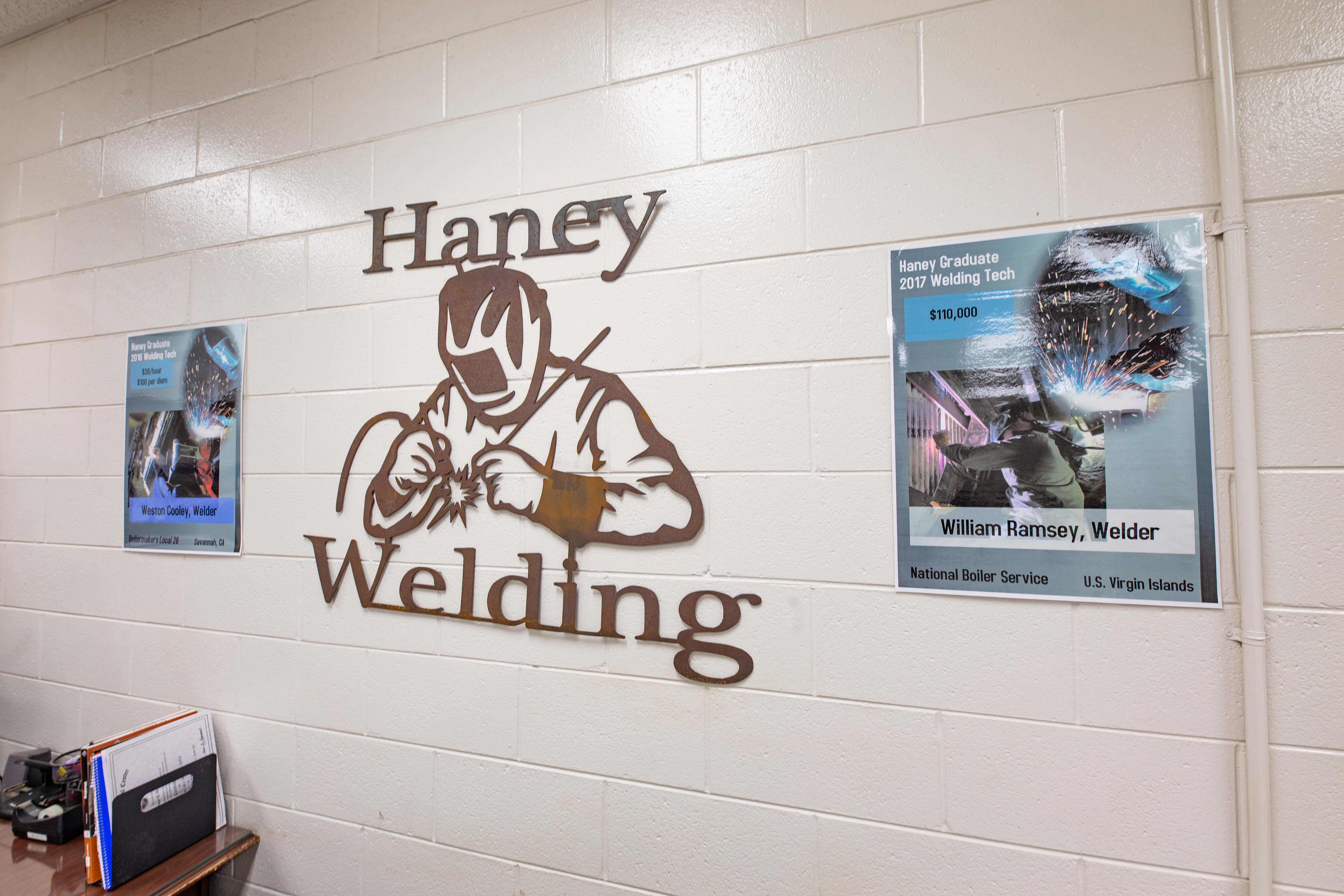

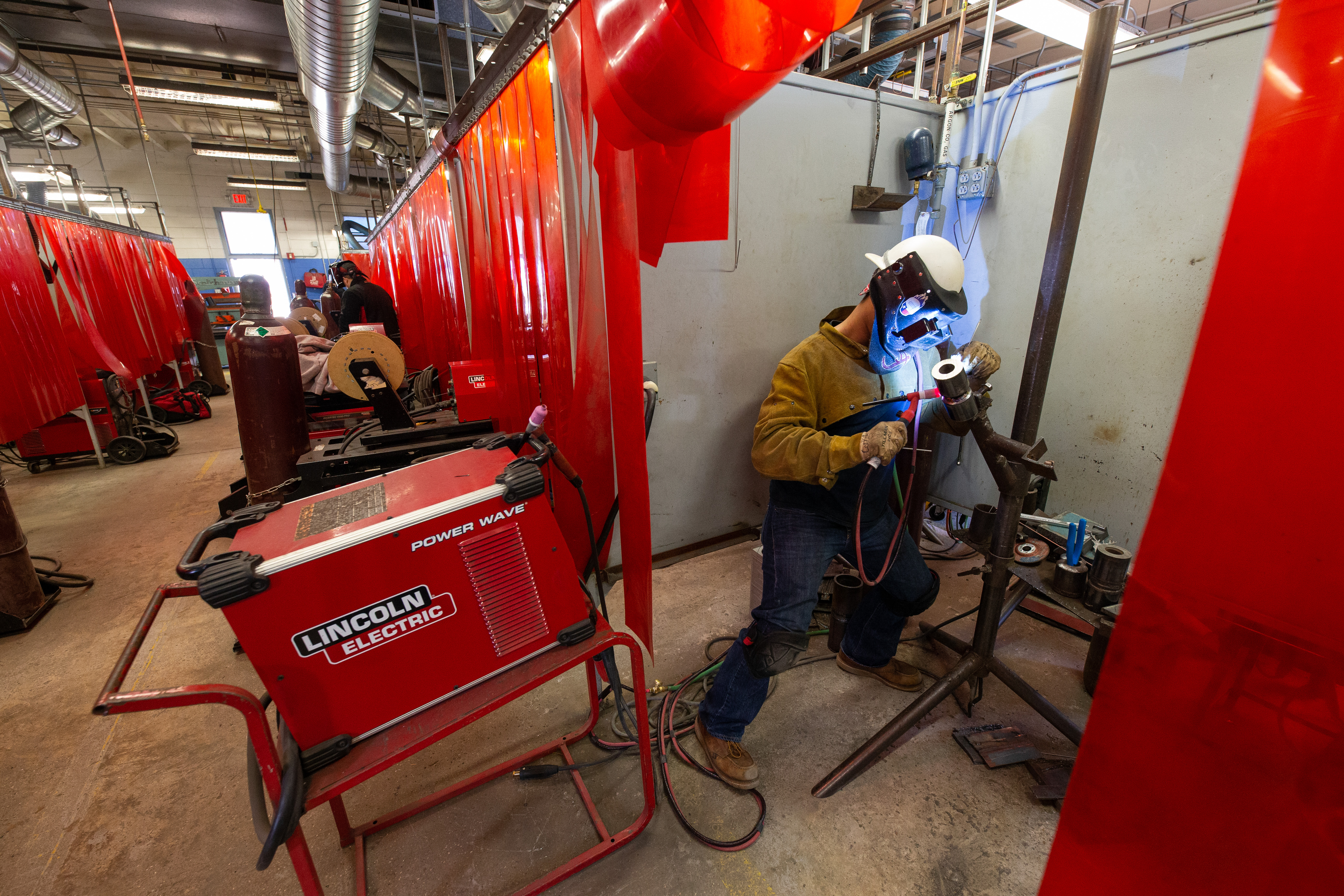
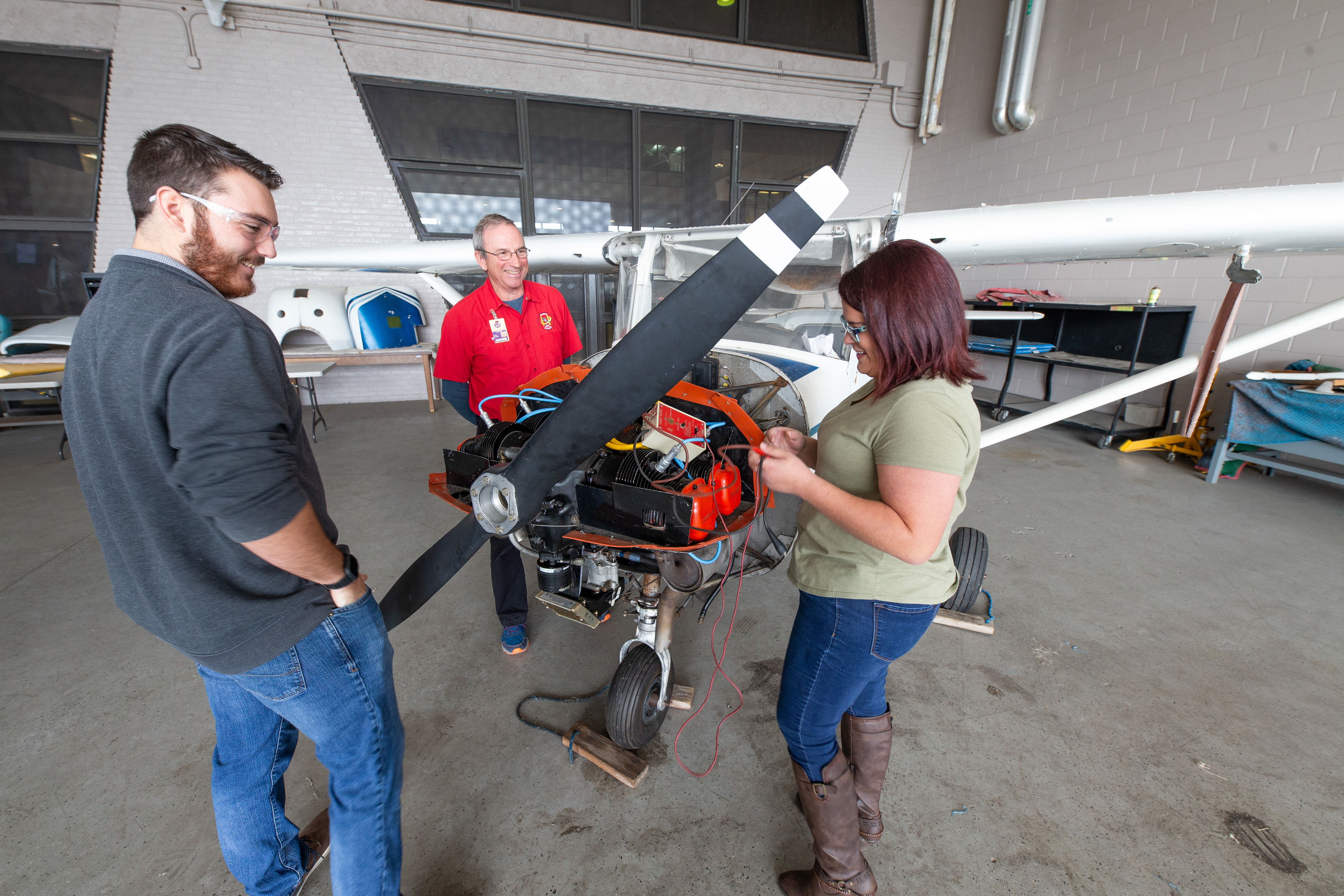
With the direct feedback from industry and other employers, the educational programs remain relevant and timely and the school’s staff has proven its adaptability to adverse circumstances in the aftermath of Hurricane Michael, after around 30 percent of its students had to leave the area, not returning to class. “After the storm, there was such a need for skilled labor in the workforce, we were able to shift our student hours,“ Ann Leonard explains. “We have two or three programs that start at 7 a.m. and they are over at noon and then those students go to work and work a full eight-hour day for the rest of the day.”
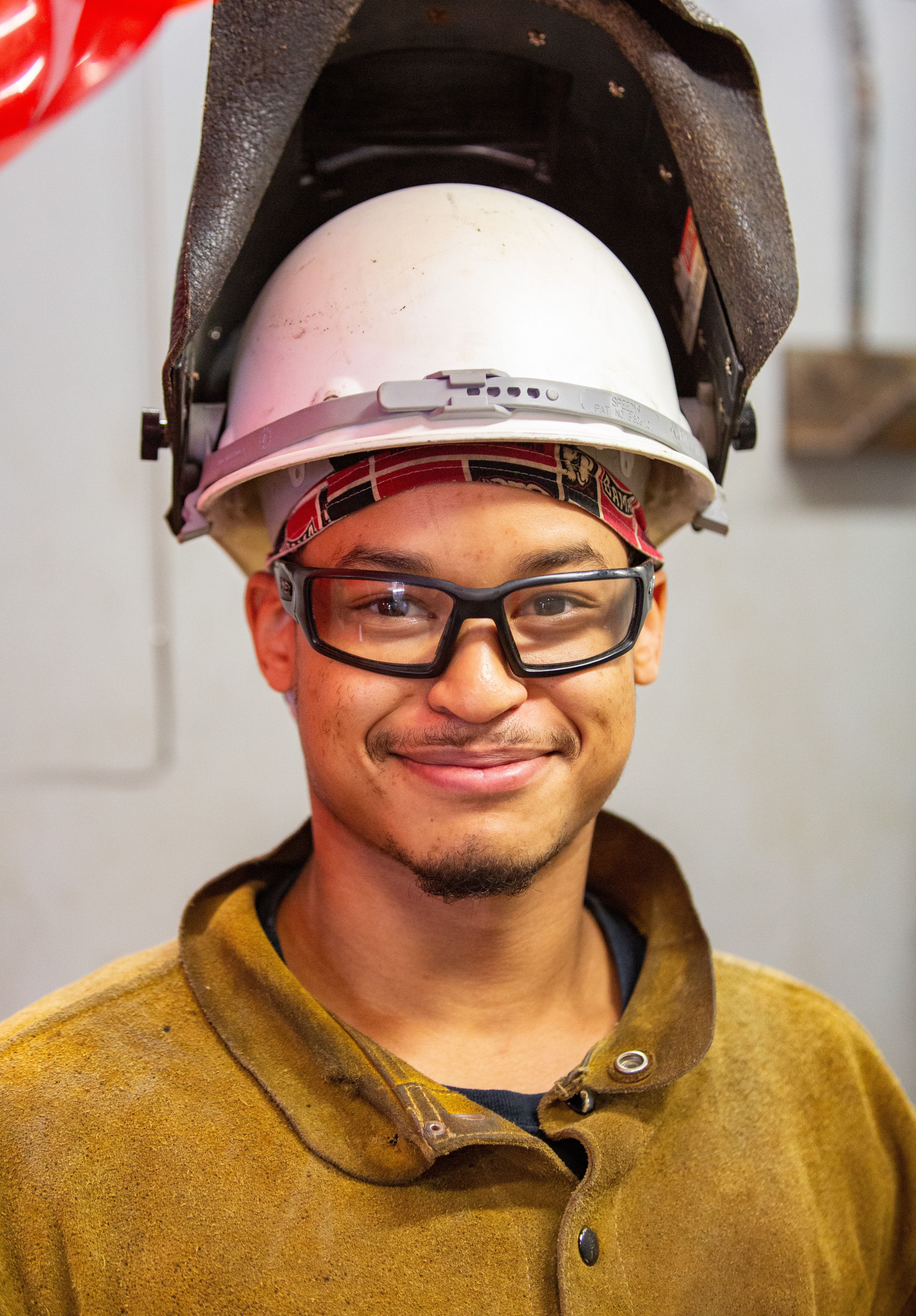
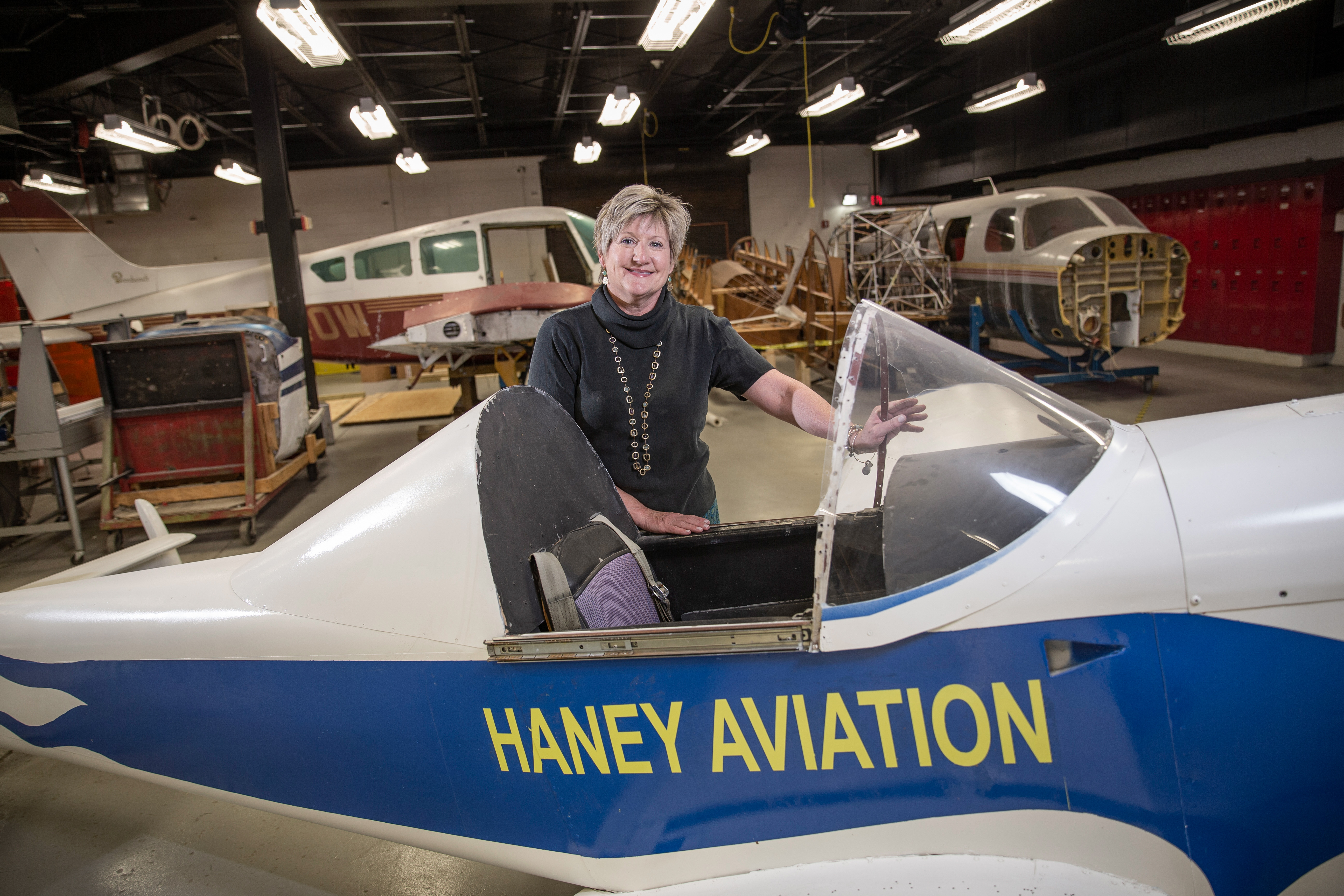
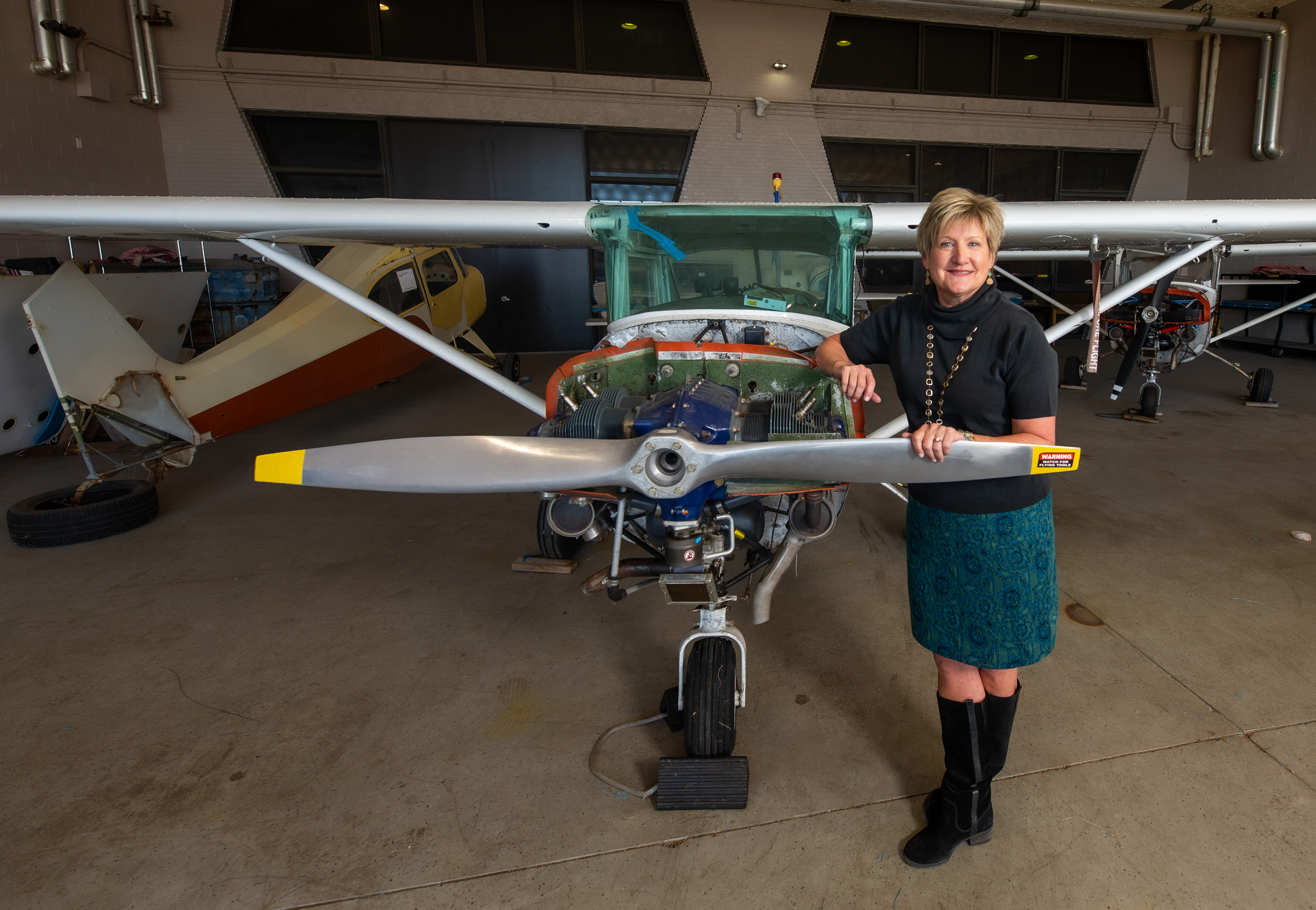
Recently introduced programs at Haney Tech include the Industrial Pipefitting program, launched in 2019, and the Aviation program that received full FAA approval and certification in 2011. Students can graduate in a little over two years from the Airframe and Powerplant (A & P) program and will receive FAA certification to maintain and repair small aircraft and large jet airplanes. It is the most time-intense course at Haney—most others can be completed within a year. As Bay County’s only vocational school, Haney Tech operates under the guidelines of Bay District Schools. Ann Leonard has successfully implemented changes that add to Haney’s efficiency. “We made some changes last year in our calendar to try to get as many programs that we could to complete within a school year. We are part of Bay County’s school district. We fall under that teacher contract and support employee contract.”
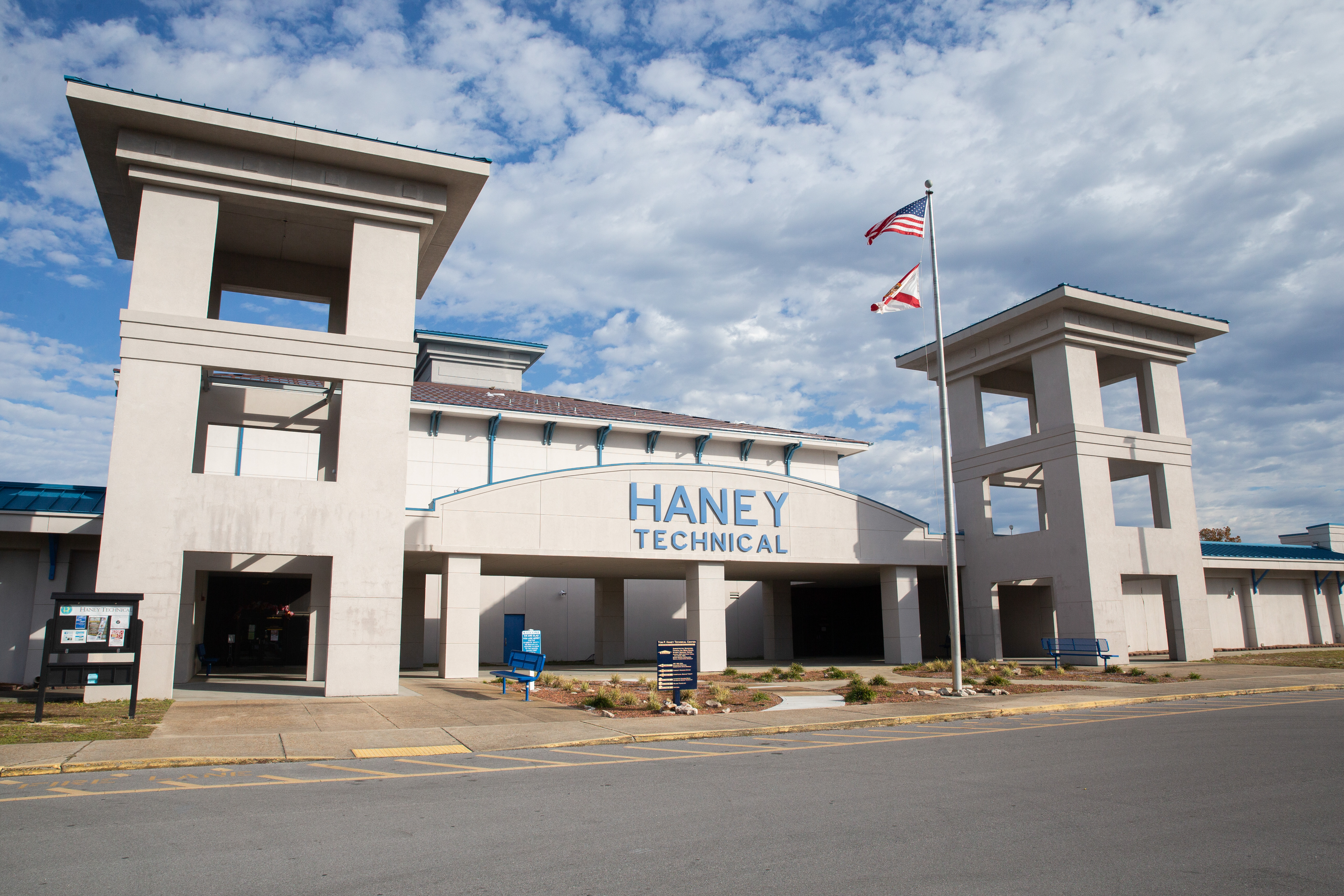
One institution that has recognized the high value of Haney Tech’s educational programs is the Bay Economic Development Alliance with Becca Hardin at its helm. The Bay EDA director has led the delegates of large international corporations through the doors of Haney Tech, introducing them to the instructors and facilities. For Haney Tech, the outlook on being able to adapt one of the current courses—such as the Automotive Collision Technology program that teaches the painting of automobile parts—for a large company that might be interested in painting industry parts, could be a game changer.
Ann Leonard is confident that the mindset of a common effort ensures economic success. “I have been fortunate to serve and collaborate with existing companies in Bay County and also participate in conversations with potential new companies that plan to get established in Bay County where everybody at the table is willing to do whatever they can. Whether it’s something Haney Tech teaches, or whether it’s something Gulf Coast State College or FSU-PC offers. There is a lot of goodwill in this community, and I’ve seen that in working with Becca and the Bay EDA. Everybody is on the same page and working for the same thing and there are no agendas other than the common goal to support Bay County’s economic growth efforts. We are happy to accommodate anything that we can within our curriculum.”
* Haney Tech also offers programs such as General Education Development (GED), ESOL (English for Speakers of Other Languages) classes, and Adult Basic Education programs.