
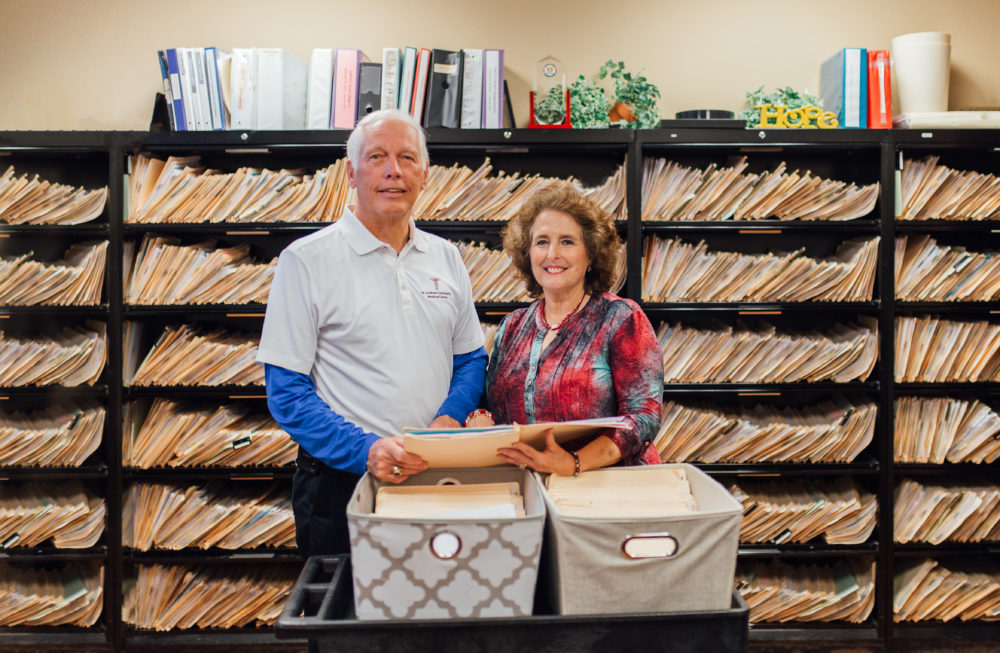
COMMUNITY-ORIENTED: St. Andrew Community Medical Center


BY BRITTANY HAWES PHOTOGRAPHY BY TIFFANI DANIELLE CASCADDEN[dropcap]F[/dropcap]or most people, health care is the norm. It is rooted in their lives. Lab work, a diagnosis, and prescribed medications are just a phone call or a short drive away for those who have health insurance. But what happens to the large percentage of our population that remains without insurance?
Is health care affordable for a person who has recently lost their job, has not had the money or opportunity to earn a degree or learn a trade, or suffers due to other socioeconomic reasons? This has been the topic of heated political debates, causing discord with legislative changes, and should prompt a rethinking of what exactly it means to have “affordable” health care.
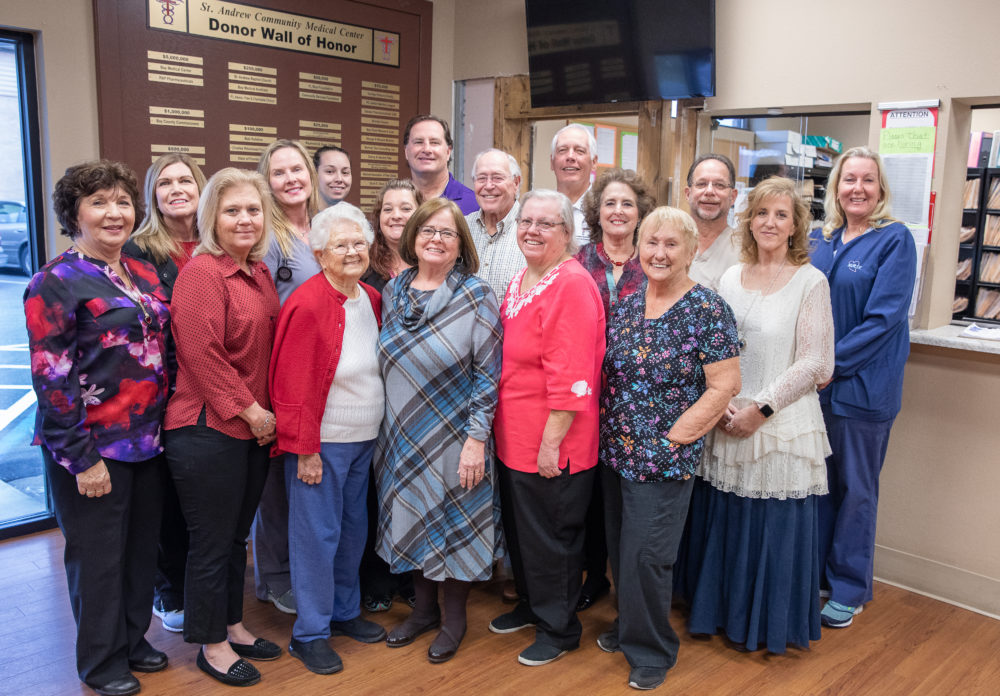
There are a small number of health care providers who act based on the need, dedicating their free time to treating patients at no charge. In Florida, more than 100 clinics provide free health care to the members of their community. A shining example among them is St. Andrew Community Medical Center in Panama City. Since its founding in June of 2004, the volunteer-run non-profit organization has had more than 136,000 patient visits. Known for its kind staff, compassion for patients, and dedication to finding solutions for seemingly hopeless situations, the center won a statewide award in 2017 for its tireless efforts in providing free health care.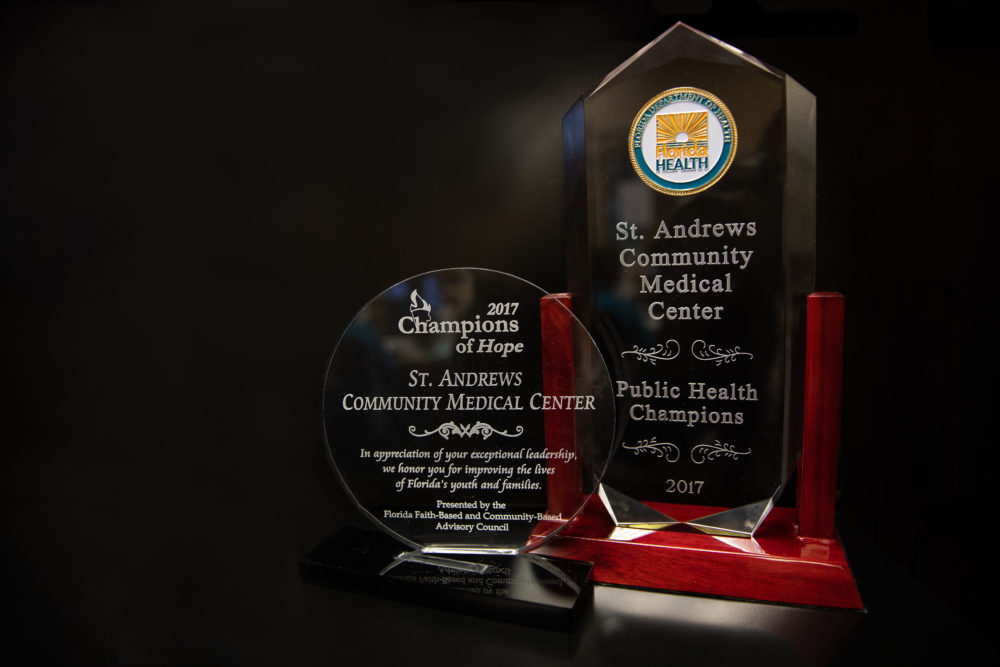
Health care is often described as a calling, and you know this is a true statement when physicians, nurses, and techs dedicate their free time to helping those who have no other options for receiving professional treatment.
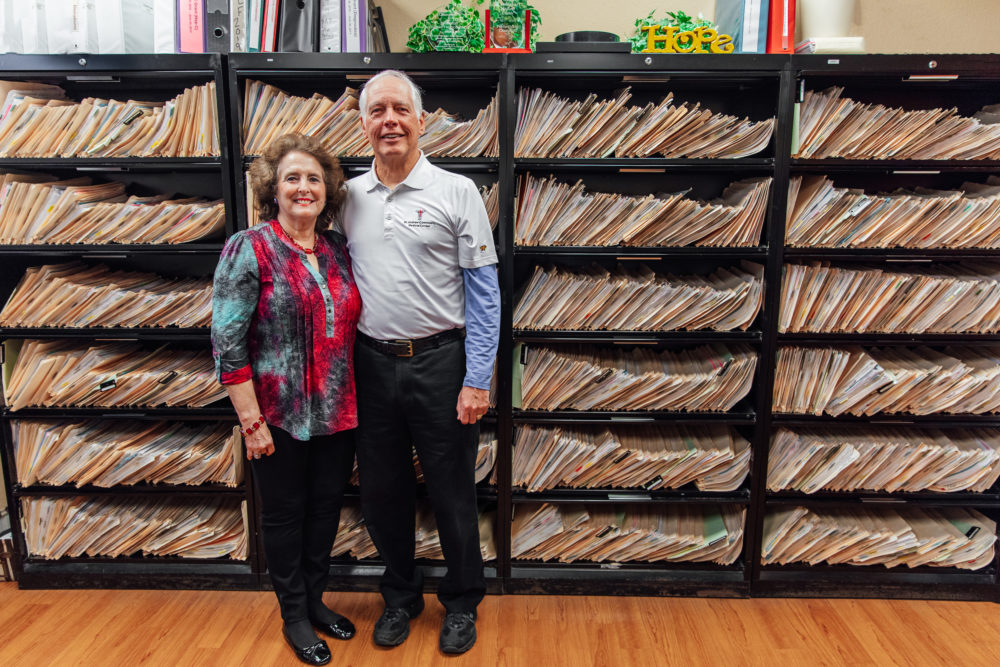
“This was something I was meant to do,” says Carole Summey, clinical director and co-founder of the St. Andrew Community Medical Center. After many years of working as a nurse at Gulf Coast Regional Medical Center, she saw the need in the community. When the pastor at her church, St. Andrew Baptist Church, and its newly formed committee approached her and asked her to join them, her answer was yes. “God was already speaking to me about starting a free medical center,” she acknowledges. Her husband of 52 years, Dr. Delbert Summey, the current president of the center’s executive board, saw the drive behind his wife’s eyes and knew he would wholeheartedly support her decision.
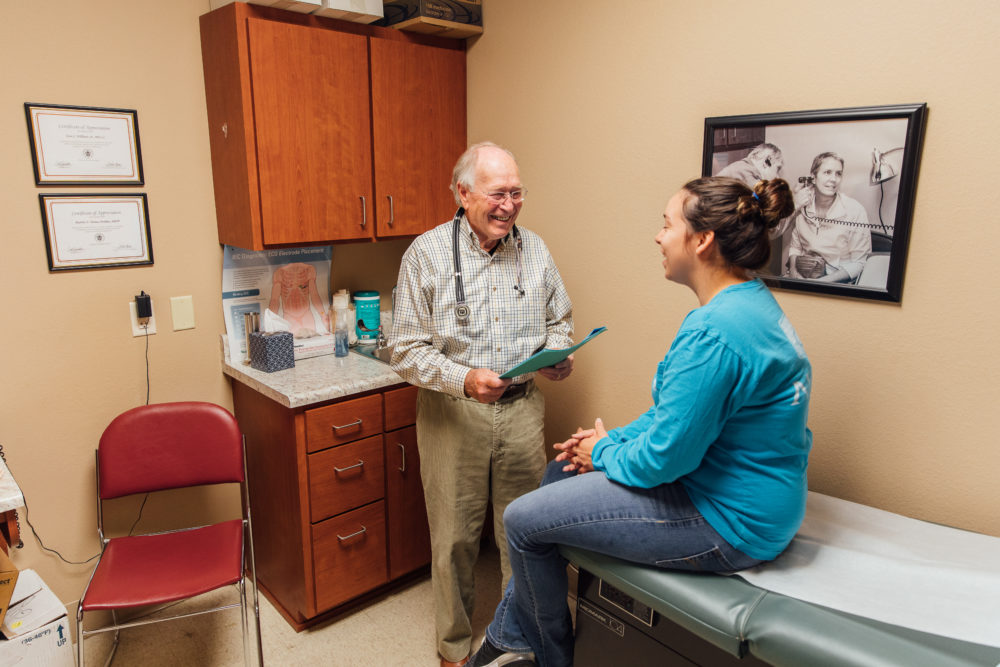
With the help of Dr. Curtis Williams, co-founder and current medical director at St. Andrew Medical, the new committee drove all efforts and completed the planning stages, recruited other committee members and volunteers, and faced the biggest question; how to finance the efforts. The answer came from someone close to them. Bob Robbins, prominent community businessman, had recently sold a large tract of land to developers and gave part of his profits to charitable efforts. “We told him our vision of starting a free medical center for people who really couldn’t afford medical care and that they were being left behind. He broke out in tears,” Dr. Williams remembers. Bob Robbins went on to donate $100,000, which launched the center.
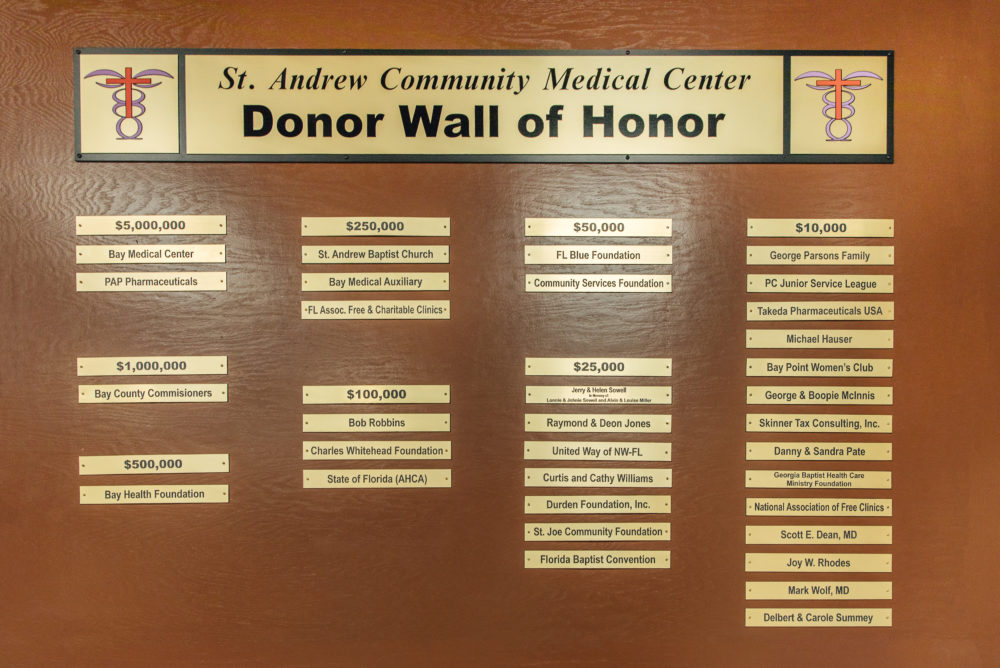
Since then, many people and organizations have given large donations to St. Andrew Community Medical Center. A large plaque in the waiting area lists the donors. Some of the biggest contributions were received from Bay Medical Sacred Heart Hospital, Bay County Commission, and the Bay Health Foundation.
Dr. Williams retired from his private practice but continues to treat patients at St. Andrew Community Medical Center with a limited license that affords immunity from personal liability for volunteer physicians under Florida’s immunity law, considered the strongest in the nation, that protects volunteer physicians from malpractice lawsuits. It is the enabling factor for free clinics as they do not have to obtain costly malpractice insurance.
Dr. Williams and other medical professionals often donate their time, supplying a steady source of helping hands. What other choices do patients have who do not have health insurance? “They would go to the emergency room,” Dr. Williams says. “They get treated very nicely and they walk out with a handful of prescriptions. But they don’t have the money to fill them. So, they suffer.”
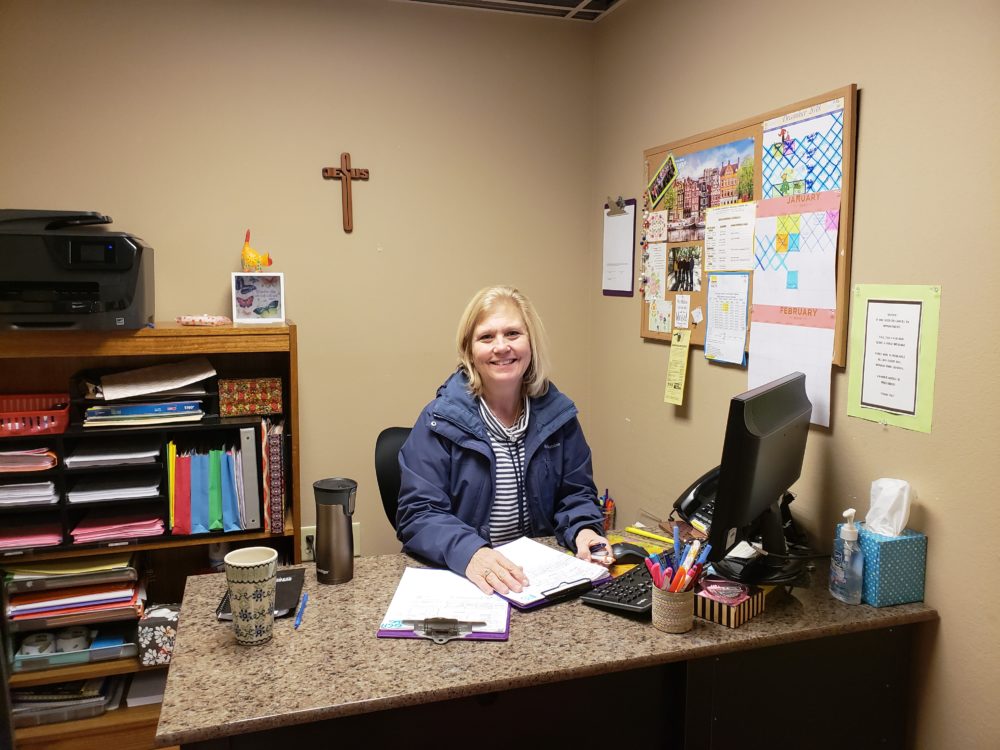
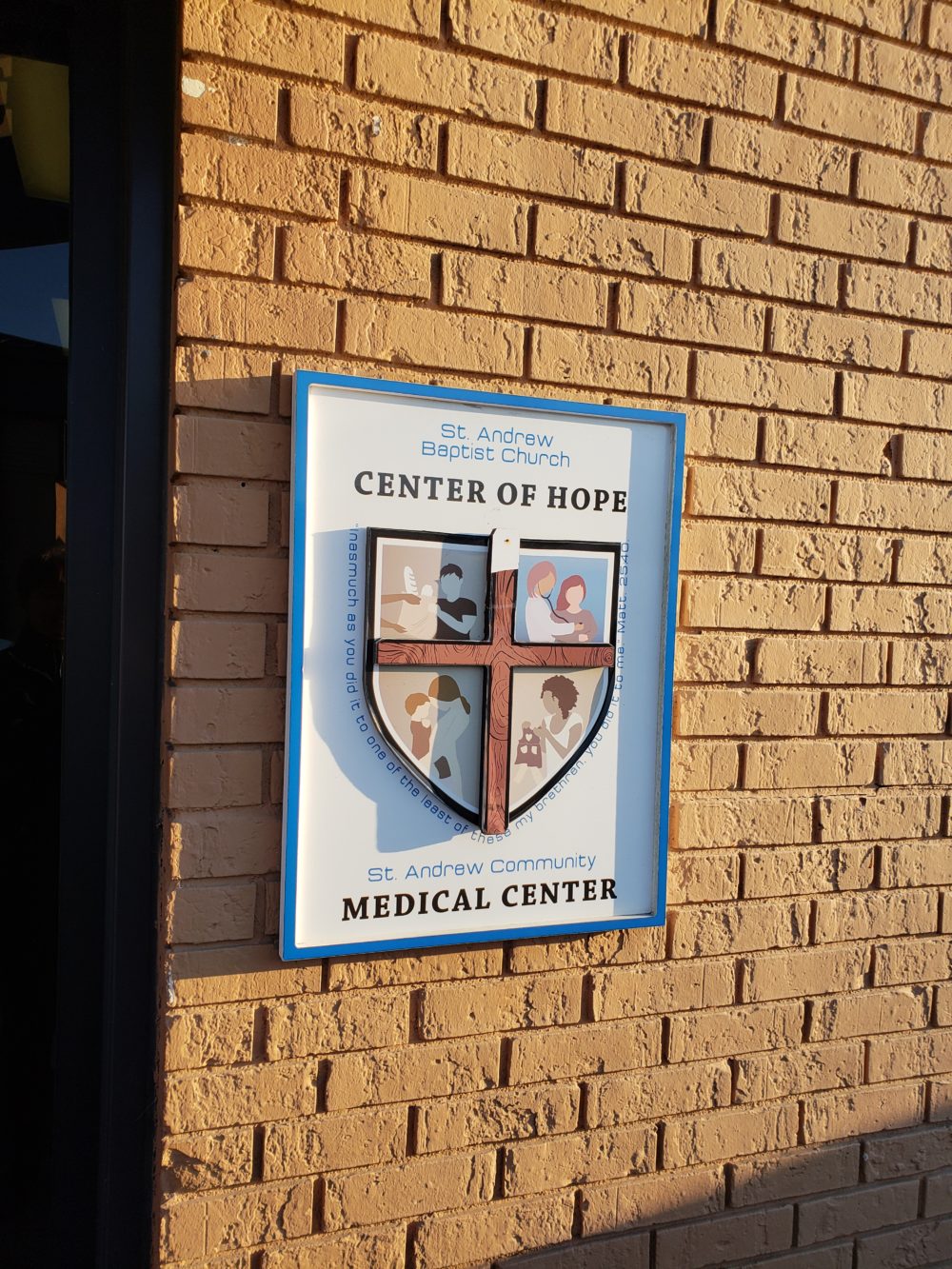
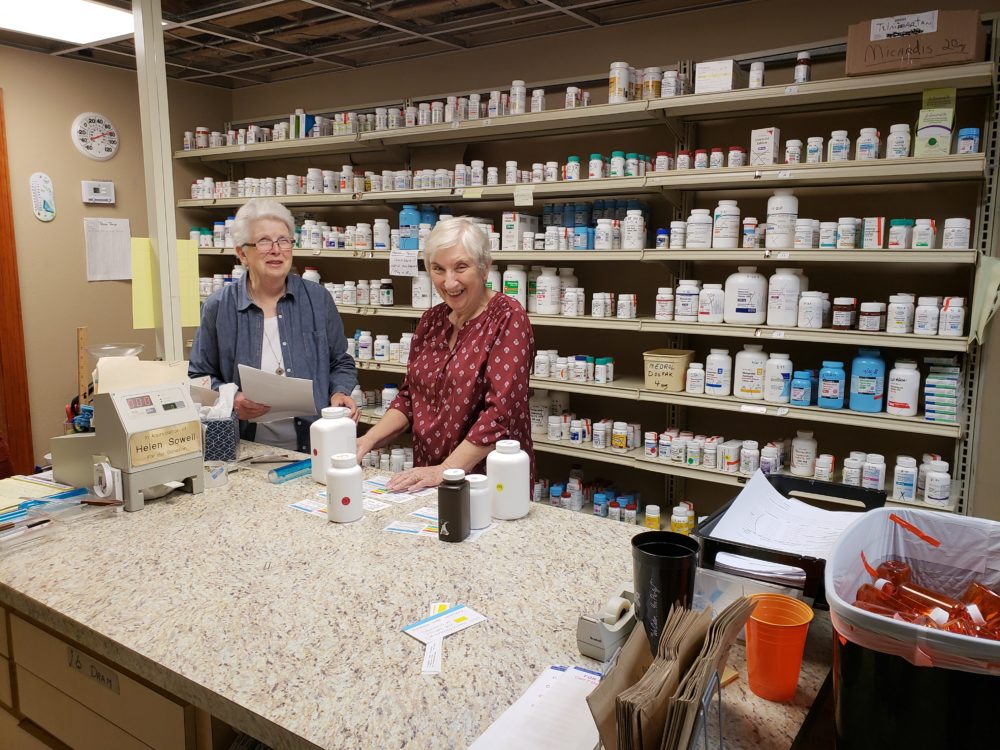
The uninsured do not have access to many forms of medical attention. They often wait until their conditions become unbearable, Carole Summey explains. People who have arrived at the point of not being able to afford the care needed to replenish and maintain their health, have little to no options for treatment. If they decide to seek help at an emergency room, the charges incurred could possibly keep an uninsured person from returning for further care.
Described by fellow volunteers and staff as “the glue that put all this together and holds it together,” Carole Summey explains that patients must qualify to be seen, per state standards. If a person is aged 18 to 65, uninsured, and living 200 percent below the federal poverty guideline, they may be eligible to become a patient. Because children in poverty are likely to be covered by Florida Kidcare, and individuals over 65 might be eligible for Medicare, St. Andrew Community Medical Center sees patients that are ages 18–65. Services extend to anyone who lives within the boundaries of Bay County.
A wide array of medical care is provided at St. Andrew, ranging from basic check-ups to minor surgery. Free educational classes, such as a class for diabetics and smokers hoping to quit, are given during the week. Professional counseling is available for patients who suffer from mental health disorders.
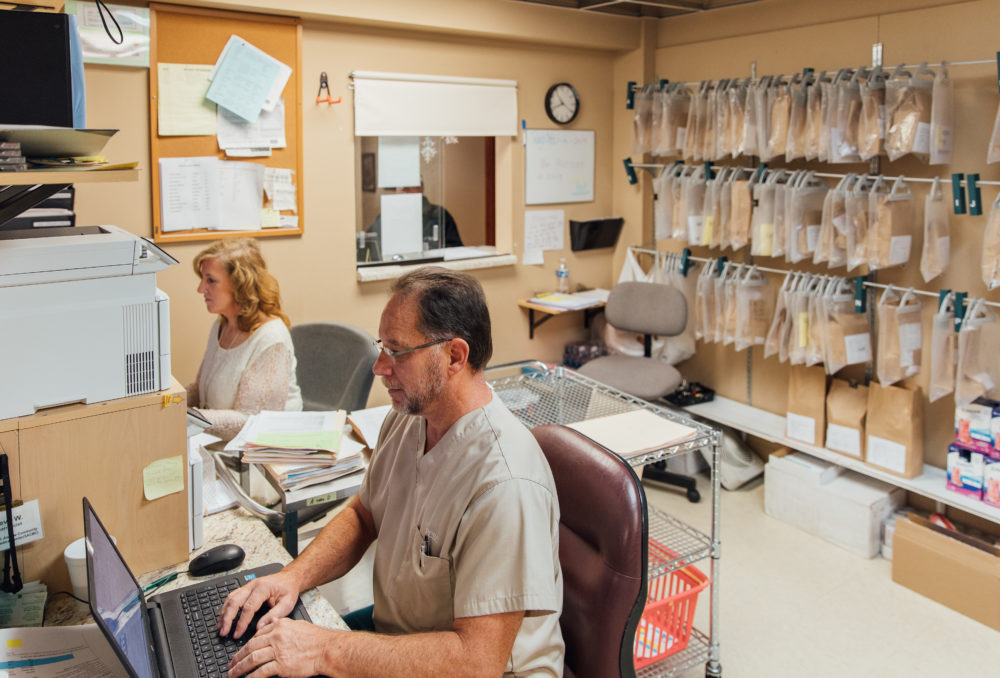
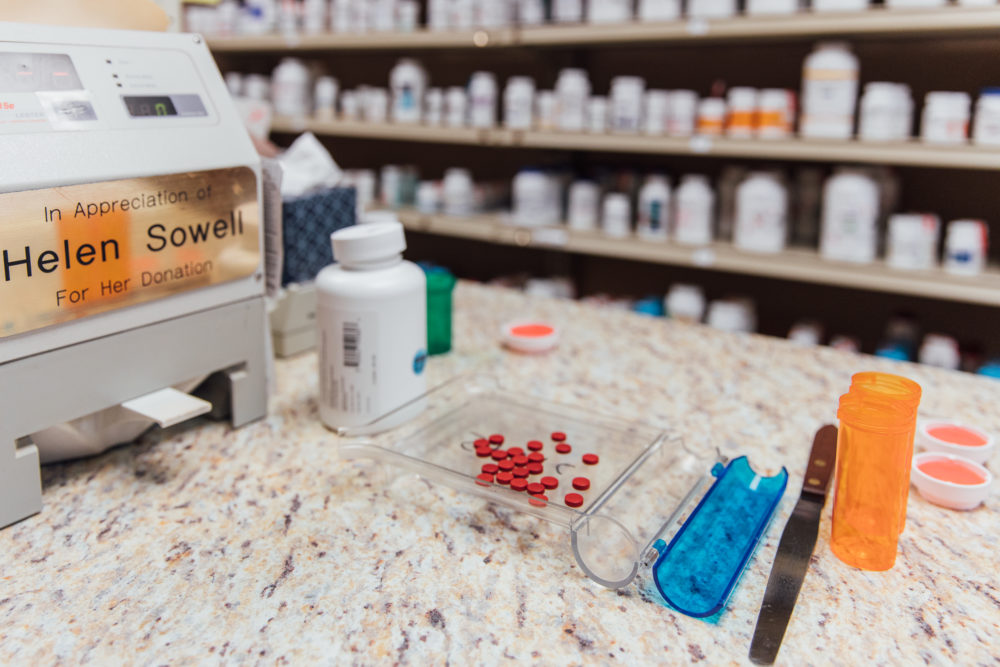 Medications are another part of health care that many can’t afford. St. Andrew identified this problem and opted to get a Drug Enforcement Administration (DEA) license to operate their own pharmacy. “Our pharmacy carries the generic pharmaceuticals that our patients need. With our PAP, patient assistance program, it gets all the brand-name pharmaceuticals that most of our patients need, especially diabetics with insulin,” Carole explains. “All these patients who meet our criteria meet the criteria for the pharmaceutical companies to get their medicines free.” The tremendous administrative effort to contact and receive donated prescription drugs from pharmaceutical companies is yet another job her staff has mastered throughout the years.
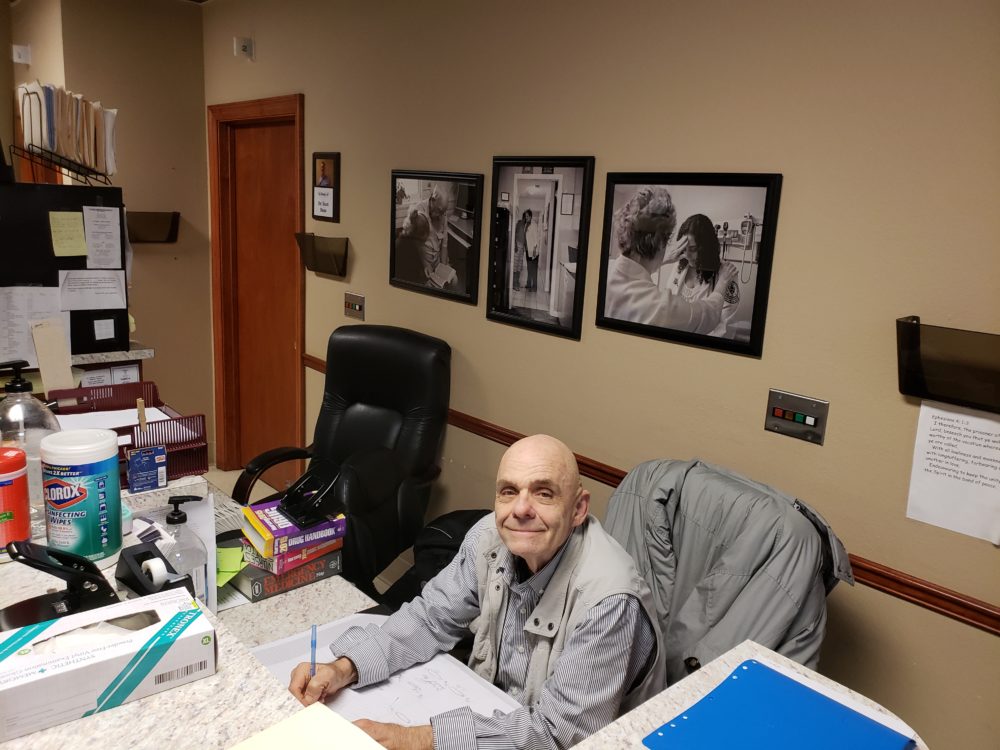
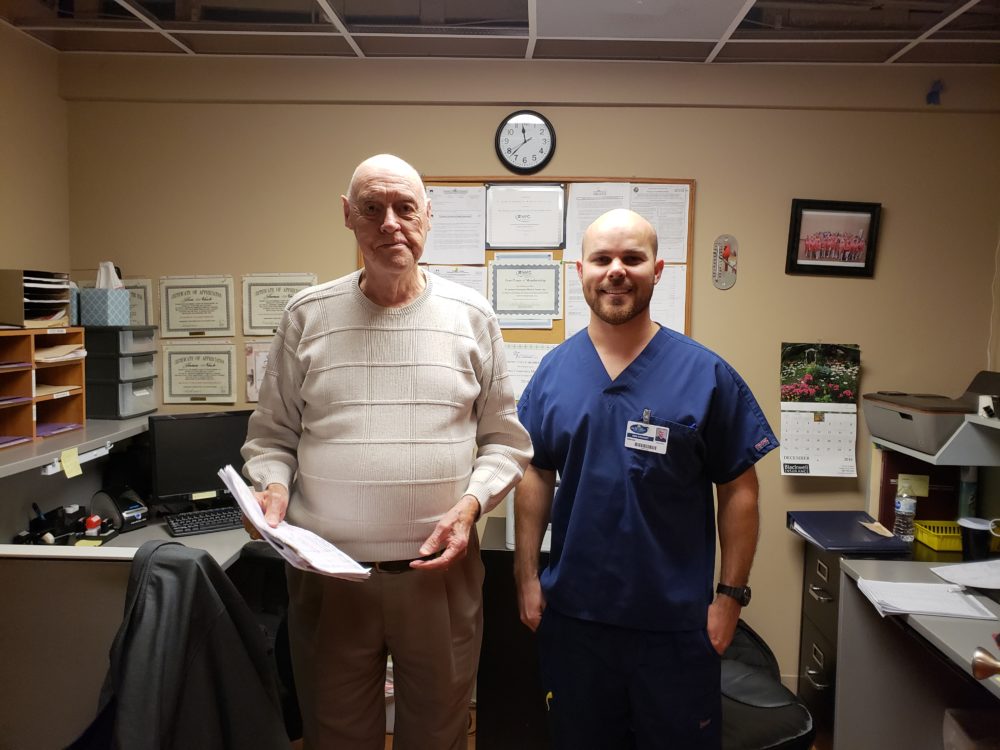
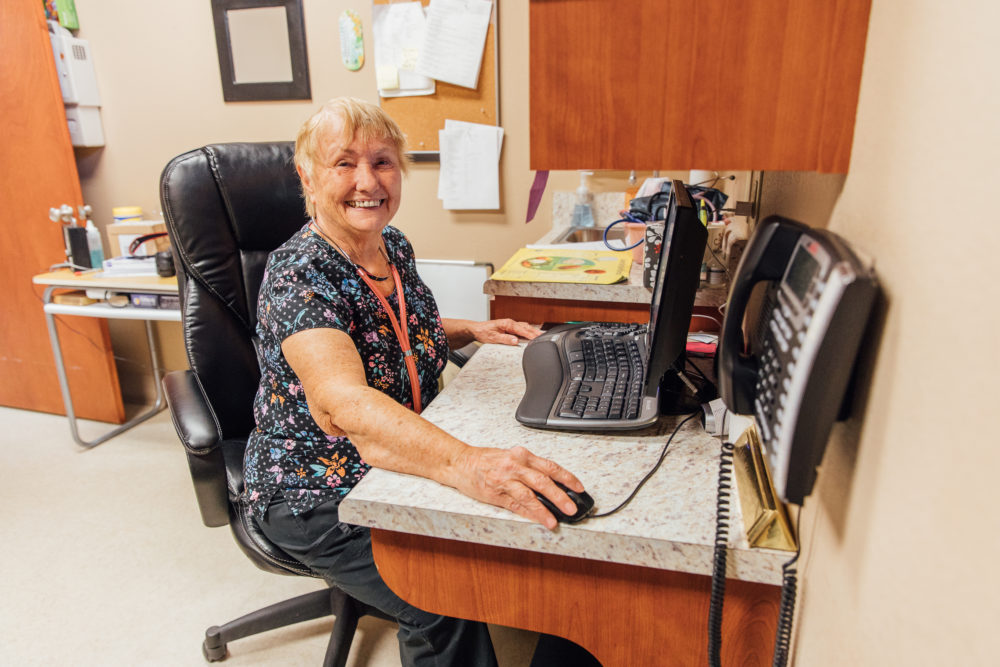
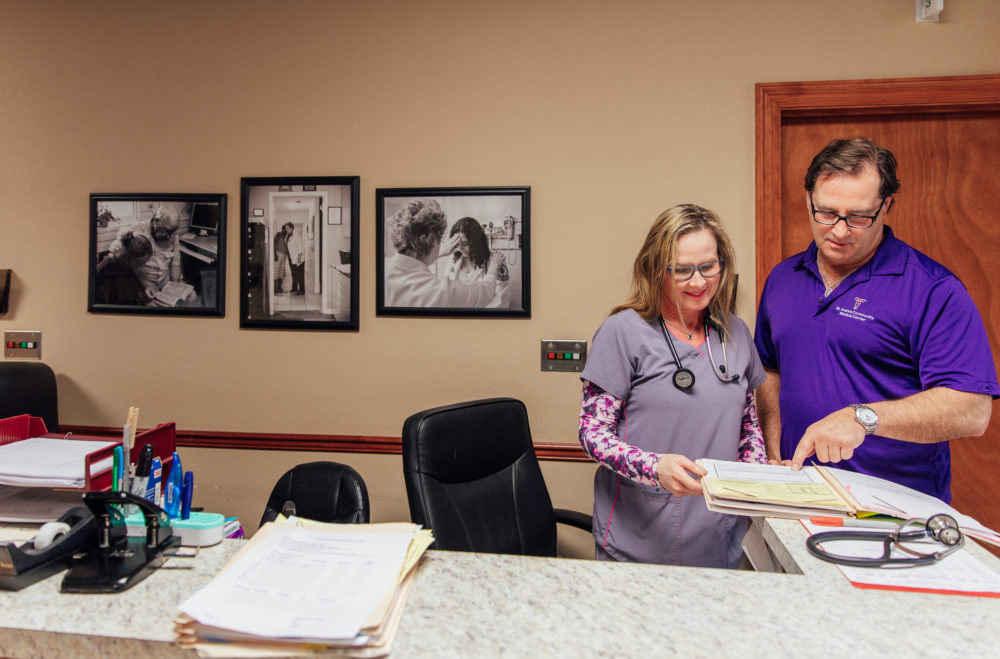
As of today, the medical center has around 70 licensed volunteers and 100 non-licensed volunteers who rotate. Licensed volunteers include doctors and nurse practitioners, while non-licensed refers to those who assist in clerical work and help at the front desk. Student volunteers can earn credit towards their degree for their assistance. Although most of the staff is working for free, some staff is paid so that patients will have a sense of continuity.
While volunteer staff and physicians are the lifeblood of the center, grants and donations are what keeps St. Andrew’s doors open. Kind and concerned souls donate to the center with both money and time. Bay Medical Sacred Heart Hospital, a partner of St. Andrew, aids by providing free lab work and diagnostic testing. The Bay Health Foundation provides funds for office support staff and medications. Funding also comes from the Bay County Commission for full-time nurse practitioners and pharmacy tech services, and from the Florida Association of Free and Charitable Clinics (FAFCC), a group of free clinics that caters to different needs. By applying for grants from the FAFCC, which is in turn directly funded by the Florida government, St. Andrew Medical Center finances equipment, procedures, and more costly services such as MRIs. In fiscal year 2018, it was able to secure $103,000 from the FAFCC, which went towards a Hepatitis C program, MRIs, biopsies, CT scans, other diagnostic testing, and medications.
Thanks to funding and dedicated volunteers, the lives of patients have changed for the better. “We had a truck driver who had a huge mass under his arm,” Dr. Williams remembers. “He couldn’t get his arm down to drive, so he lost his job. He had gone to multiple places, but had no insurance, no money. We were able to get him the surgery he needed. We found out that it was a benign tumor. Now, he’s back to work and happy as can be.”
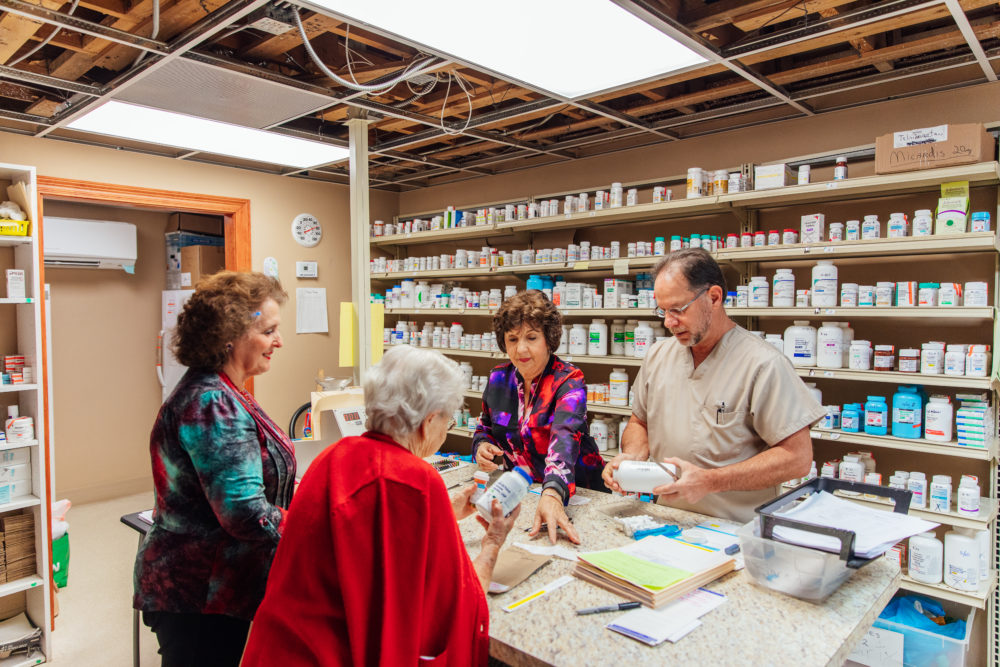
Carole Summey’s heart is always with the patients. Her first thought after Hurricane Michael’s landfall went to the St. Andrew Medical Center. After sustaining damage, the staff and volunteers focused on getting back into business by using battery-operated fans and lights, lugging water from the bay for their sewage system, and doing all they could to rebuild. When power was restored to the center, patients without electricity were able to keep their medications refrigerated. The Monday after Hurricane Michael hit, following much hard work, the medical center reopened.
What could help the medical center advance even more? Carole would like for St. Andrew Medical to be able to offer volunteers a write-off or a donation receipt for their services but are unable to due to state limitations. “When we first started the center, we said our licensed volunteers should have a tax write-off for donating their time to provide their services to our community,” Carole says. Perhaps this will happen in the future, but that is a legislative matter.
Many believe that this free health care system with immunity for volunteer physicians could be established across the country. “There are other communities in the United States that could do the same thing we’re doing here and deliver this kind of health care,” Delbert expresses. “Look at what kind of impact that could make in our nation. You’re bringing people together and meeting needs.”
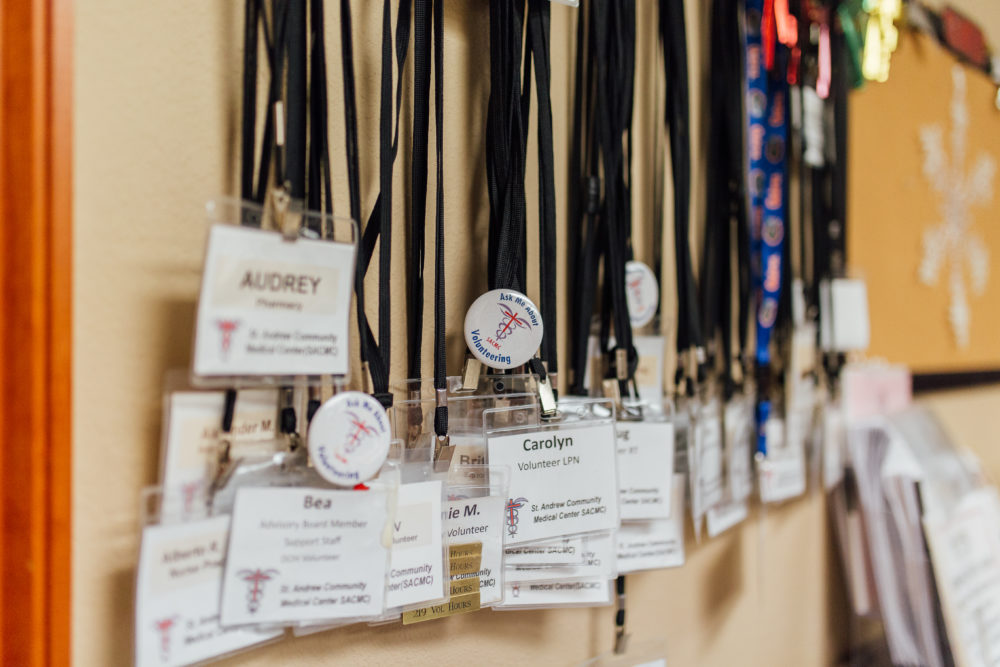
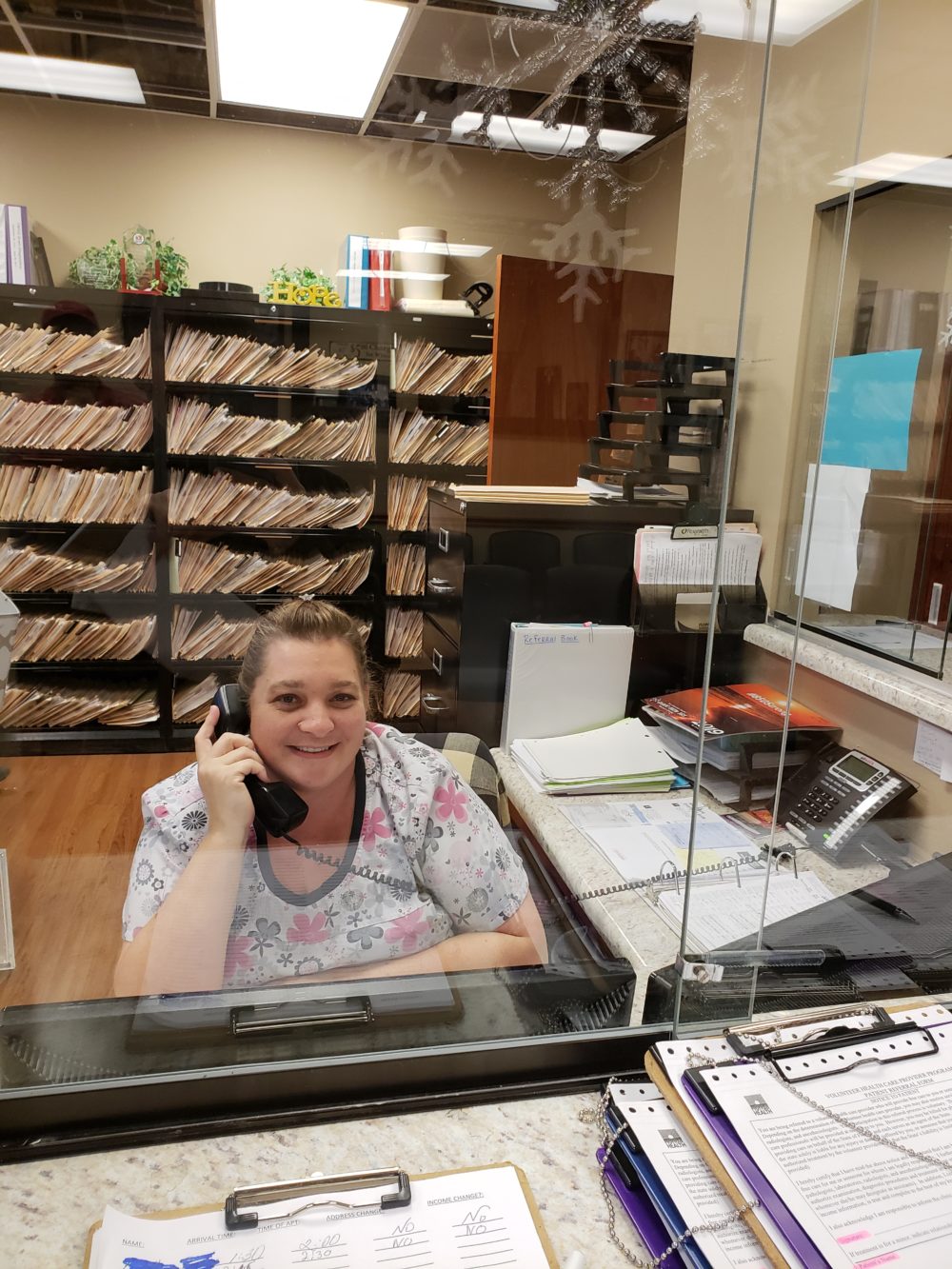
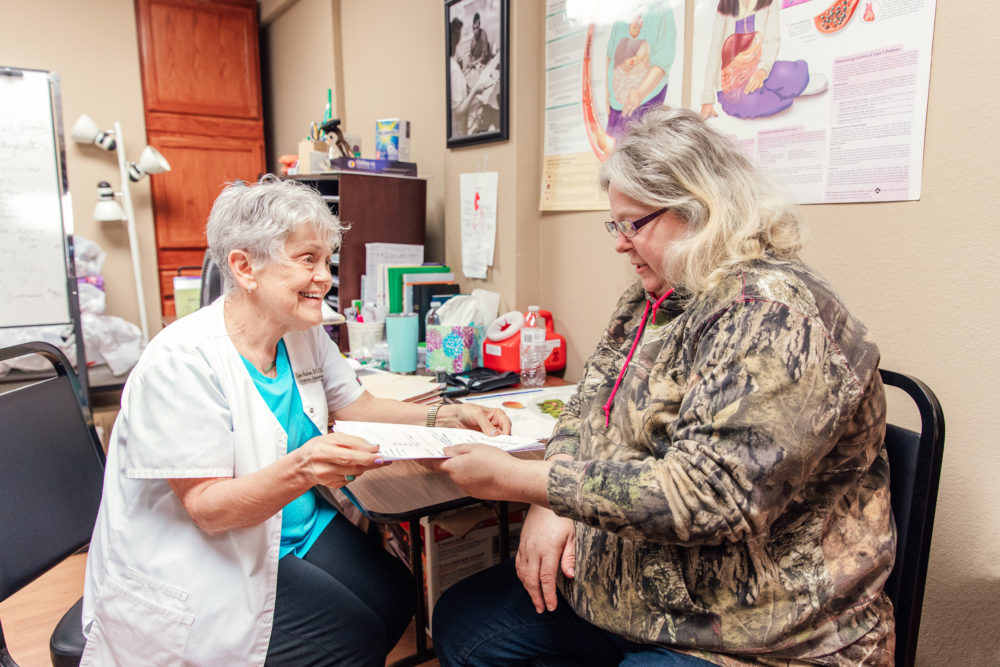
When asked what they need most right now, “specialty physician involvement, surgical opportunities, and both licensed and support staff volunteers” is the answer. They are working on getting a trolley stop near the building so that those struggling to get to the center will gain the ability to do so. For now, the health care heroes at St. Andrew will continue to do their best and fight for the availability of healthcare for all.
St. Andrew Community Medical Center is located at 3101-B Hwy 98 West in Panama City, Florida.
Learn more on their website: sacmc.org
[divider]
St. Andrew Community Medical Center Providers
[box type=”shadow” align=”aligncenter” ]
Amir Haghighat, M.D.
Ben Hasty, M.E.
Bernice Sill, R.N.
Beverly Bond, ARNP
Bill Schwartz, R.N.
Bussie Evans, M.D.
Carole Summey, R.N.
Carrie Gronbeck, R.N.
Charles Kovaleski, M.D.
Cindy Moore, D.N.
Curtis Williams, M.D., L.L.
Deborah Castelin, R.N.
Deborah Scales, R.N.
Dennis Sauls, R.Ph.
Don Lourcey, P.A.
Douglas Darnell, RPT
Frances Gillikin, LPN
Fred Werner, R.Ph.
Gregory Grantham, D.M.D.
Hari K. Baddigam, M.D.
Hashem Mubarak, M.E.
Jeanne Horton, R.N.
Jerry Hall, R.N.
Jimmie McCready, M.D.
Joey Trantham, M.D.
Joseph Gerlecz, D.N.
Joseph Meeks, LPN
Julia Rudd, LSW
Keith B. Banton, M.D.
Lynn Hudson, R.N.
Maciej Tumiel, M.D.
Mark Wolf, M.D.
Martha Dyane Makins, ARNP
Mary Faint, R.Ph.
Mary Jo Howard, R.N.
Matt Simmons, P.A.
Melanie Causey, ARNP
Melanie Munshower, R.N.
Michael Noble, M.D.
Michael Stokes, M.D.
Paul Paustian, M.D.
Ramona Haggerty, R.Ph.
Samir Patel, M.D.
Sandra Ford, ARNP
Scott Dean, M.D.
Sharon Williams, LPN
Sherry Lee, R.N.
Sidney Daffin, M.D.
Stacey Palmer, R.N.
Steve Wilson, R.Ph.
Thomas Roberts, P.O.
Thompson Maner, M.D.
Timothy Moriarty, M.D.
Tracy Beyer, O.D.
Virginia Moseley, R.N.
Wayne King, R.Ph.
William Hargraves, D.D.S.[/box]