
CREATING HABITAT FOR POLLINATORS


BY JODY WOOD-PUTNAM
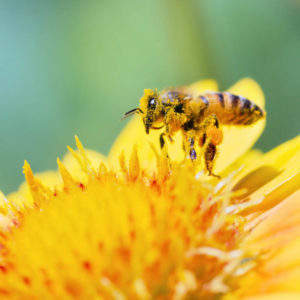
Honey bees have a critical role in pollinating many of our food crops and we love them for the wonderful honey they produce. However, they are not indigenous to North America. Around 400 years ago, different native bee species existed in North America, but they were not honey bees. Before European settlers brought honey bees over, North America had its own native pollinators which had evolved alongside native plants. These native pollinators continue to have an important role for our native plants as well as many of our non-native crops and ornamental plants.
 The Importance of Our Pollinators
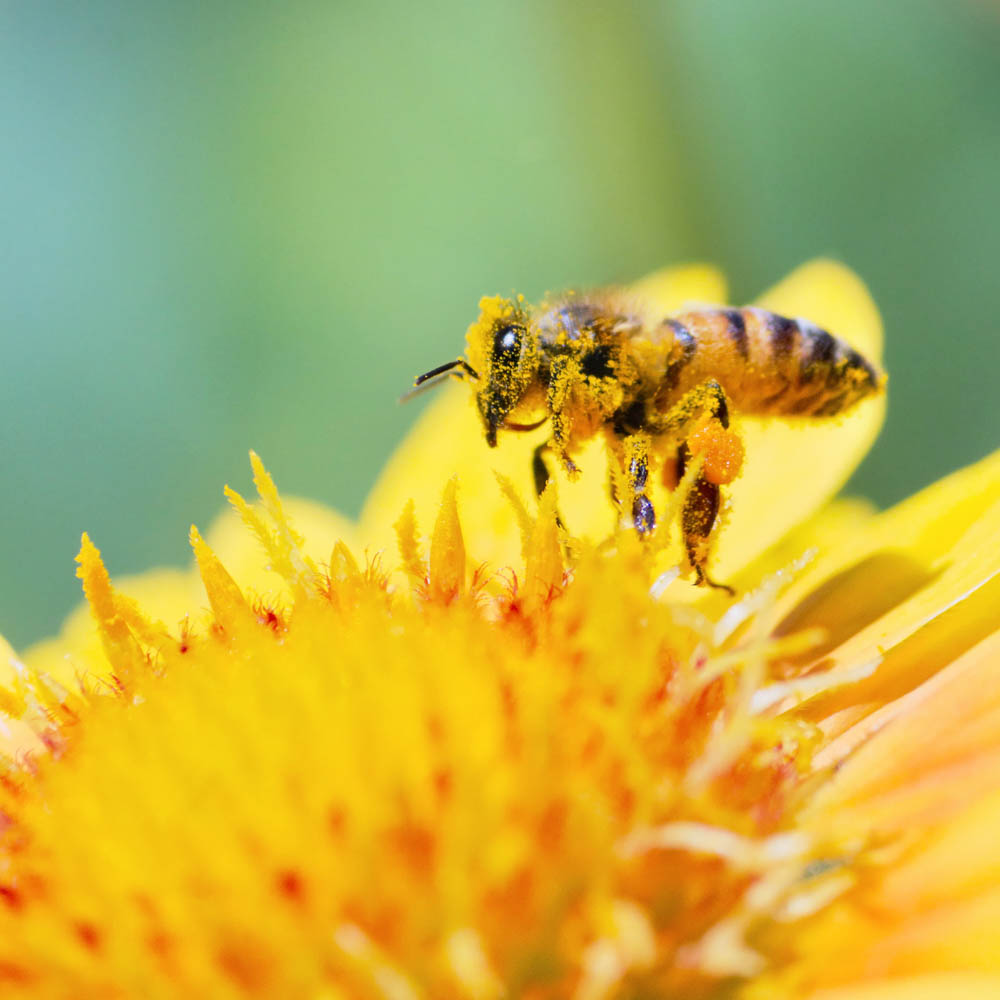
Almost 30 percent of our flowering plants don’t require an animal or insect to act as pollinator. For plants like corn, wheat, oaks, and pine trees, the wind serves this role. For other flowering plants, animals or insects are critical to distribute pollen and enable the production of seeds and fruits. Without these pollinators, we would not be able to enjoy many of our food crops including tomatoes, peppers, strawberries, and oranges.
Pollinators are critical for maintaining the health and diversity of our plant communities and their associated ecosystems other than serving as food sources for birds and other wildlife.
Since the introduction of honey bees to America, it has been estimated that they now pollinate approximately 75 percent of Florida’s agricultural crops. Honeybee hives are transported throughout the continental U.S. to pollinate crops ranging from strawberries to almonds. Like snowbirds, many northern hives are brought to Florida to overwinter.
Florida’s Native Pollinators
In Florida, we have over 300 species of native bees. Around 70 percent of these nest in the ground, while most of the others are cavity nesters. Some, like bumble bees, form small colonies. But most are solitary such as digger bees that nest underground and leafcutter bees that nest in dead branches. Several species resemble honey bees in appearance, but others may be quite different, being either smaller or larger and sometimes even displaying vibrant iridescent colors.
Bees deserve their reputation as extremely efficient pollinators. They deliberately collect pollen with the help of fine hairs located on their bodies and tend to forage from only one or two types of flowers at a time, spreading the pollen where it is needed. Some specialize further and pollinate only one type of plant such as our southeastern blueberry bee which evolved pollinating our native blueberries. Our native bumble bees will even vibrate a flower to encourage the pollen to loosen.
In comparison, butterflies and moths are inefficient pollinators who accidentally spread pollen in their quest for nectar. We are fortunate to have 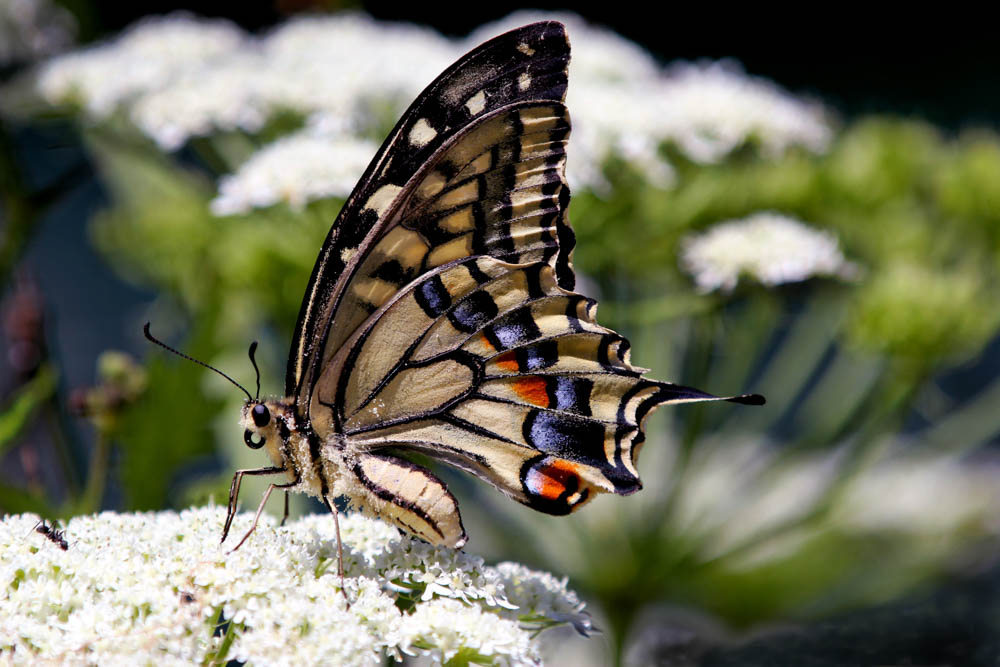 more than 120 species of butterflies in the Florida Panhandle. While they are less efficient than bees, we still seek to attract butterflies for the beauty they bring to the garden. There are also several species of moths that pollinate many of our late afternoon and night blooming plants. Some, like hummingbird moths, have evolved to be able to hover while extracting nectar from a flower. An example of a moth that pollinates one of our beautiful flowering native plants is the yucca moth. Without this moth, the yucca plant would not produce seeds to enable it to reproduce.
Flies, beetles, and wasps are pollinators that rarely receive the credit they deserve. Some of our flies are very important. Hoverflies, for example, pollinate many of our flowers and fruit crops. Some of these flies even have modified mouthparts that allow them to collect nectar from long, tubular flowers. Chocolate lovers may not know it, but they have a very small fly to thank for being the only pollinator of the cacao tree, enabling it to bear the fruit from which chocolate is made.
Northwest Florida has numerous species of wasps that are pollinators. While they are generally not very efficient pollinators, there are exceptions such as the fig wasps that evolved pollinating almost all species of fig trees.
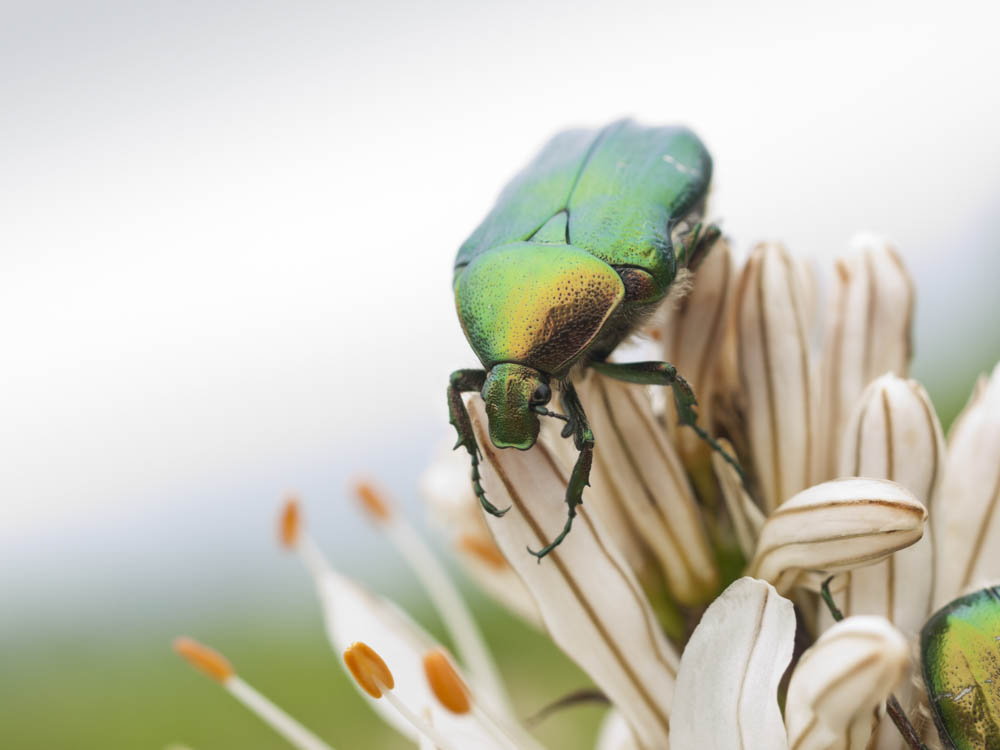 Beetles are one of the oldest pollinators with prehistoric beetles visiting flowering plants millions of years before bees even came into existence. Beetles today are commonly found on flower heads and pollinate some of our bowl-shaped flowers such as our wonderful fragrant magnolias. They are not the neatest of pollinators, however, sometimes chewing up some of the flower in the process.
Hummingbirds are also pollinators with their long beaks enabling them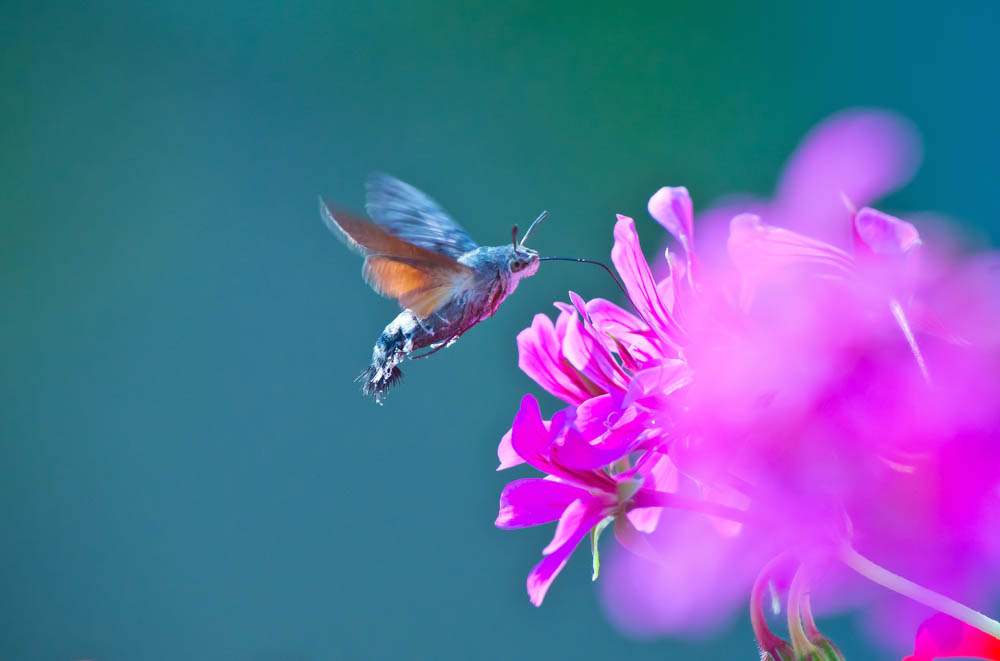 to reach nectar in plants with tubular flowers. Because of their beauty and occasional entertaining antics, folks often set out feeders and plant their favored flowering plants to lure them into their gardens.
The Plight of the Honey Bee and our Native Pollinators
Unfortunately, nationwide our honey bee colonies are facing numerous stresses which are causing the collapse of the species. Factors such as diseases, parasites, and unintentional exposure to pesticides are contributing to a nationwide reduction of hives. These same factors, plus loss of habitat and declining native plant populations, have also contributed to substantial declines in our native insect pollinator populations.
Helping our Pollinators
Each of us can have a high impact. One of the best things to do is incorporate a wide variety of flowering plants into the landscape which will provide an overlapping, multi-seasonal bloom. For example, a planting of dotted horse mint, white wild indigo, native milkweed, dune sunflower, scarlet sage, beautyberry, giant ironweed, coreopsis, native blueberry and seaside goldenrod would provide flowers over a long period starting in early spring through late fall. These plants should be planted in groups to enable efficient pollination. Plants that are host plants for our native pollinators should be incorporated into the garden such as our native milkweeds which support monarch and queen butterflies. Gardeners may want to also reconsider what they regard as weeds. For example, a gardener may want to leave some dandelions as they can be important to our pollinators as some of the first flowers to bloom in spring.
Our pollinators also need places to raise their young and protection from weather and predators. Planting a variety of plants of varying heights and foliage densities can provide protection as can leaving organic debris such as leaves, dead wood, and sticks on the ground. Bee hotels, fabricated by drilling holes in untreated wood or crafted from hollow bamboo sticks, can be used to attract cavity-nesting bees. Leaving some areas bare can attract ground-nesting bees.
Another way to help our pollinators is to reduce the use of pesticides where and when pollinators are active. Pesticides should only be utilized when necessary and for targeted problematic pests. They should not be used when plants are flowering.
Learning More
A variety of plants with a range of flower shapes, colors, and blooming periods will support a wide range of pollinators. More information on excellent pollinator plants for our area, their growing conditions, blooming times, and the pollinators they attract can be found at www.pollinator.org/guides when you type in your zip code. Consider adding some of these to your garden. Plant them and the pollinators should come!
//
If you would like to learn more about our native pollinators, consider going to an upcoming free workshop titled “Pollinators and the Plants they Love” which will be held from 9:00 a.m. to 12:00 p.m. on Saturday, July 14 at the UF/IFAS
Extension Bay County located at 2728 E. 14th Street. You can register for the event at https://ufifas_pollinators.eventbrite.com.
While at the extension office, check out the butterfly demonstration garden to see some of the great pollinator plants that you too can plant in your own garden in Northwest Florida. You may also want to check out the two new pollinator gardens located in front of the US Fish and Wildlife Service office located at 1601 Balboa Avenue in Panama City.