
THE IMMORTAL LIFE OF HENRIETTA LACKS


PHOTOGRAPHY BY BONNIE BRANT
THE IMMORTAL LIFE OF HENRIETTA LACKS
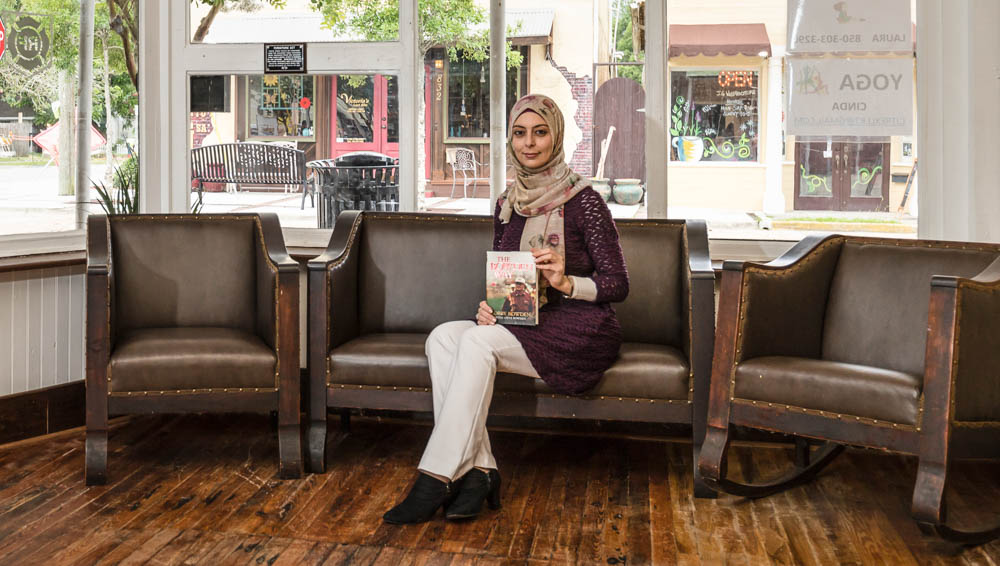
Reviewed by Hiba Rahim
“The Immortal Life of Henrietta Lacks” (2010) is a skillful fusion of scientific history and biographical narrative that helps the reader live this emotion-provoking story. Henrietta Lacks died of cervical cancer in 1951. Her cancer cells, dubbed HeLa cells (from the first two letters of her first and last name) not only survived but became immortal in the petri dishes and incubation containers of various scientists. The cells propelled discoveries within the sciences forward at unprecedented speeds, led to the development of the polio vaccine and to breakthroughs in the study of herpes, leukemia, influenza, many more diseases, and in vitro fertilization. HeLa cells were also the first cells sent to space.
The book, however, is not about advances in medicine. Author Rebecca Skloot highlights ethical controversies related to patient and family consent and profit sharing. Through direct, unadulterated quotes from Henrietta’s siblings, husband, and children, readers hear the raw emotion, the lack of trust, and the betrayal that her family suffered throughout the years.
We follow the flow of pain and emotions as the Lacks family finally understands “HeLa” and the significance Henrietta had in medicine. In presenting the dichotomy between these two worlds—the world of science and the raw emotions of Henrietta’s family members— the book reveals the cells were utilized by scientists and pharmaceutical companies for commercial purposes while her family could not afford health care.
Readers follow the story from points of resolve to moments of pain, from crushing disappointment to turning tides. “The Immortal Life of Henrietta Lacks” introduces readers to the struggles faced by impoverished members of our society. It opens our eyes to social disparities and fundamental changes in medical ethics that govern science and medicine today. Most importantly, it helps readers gain an understanding of a system that helped millions while hurting others, and demonstrates through the author’s actions that each one of us is capable of instituting change.
Hiba Rahim is a Panama City native who returned home five years ago after living and working in different metro areas of the United States and in London, England. She has worked as a radio talk show host, a television news anchor, a college instructor, and a researcher for numerous human rights organizations. She is a longtime advocate of social, political, and racial justice. She currently works for the Panama City-based Council on American-Islamic Relations in Florida, the state’s largest Muslim civil rights and advocacy group. She enjoys hiking, jet skiing, and traveling. Passionate about several community service projects and works, with family and friends she supports multiple charitable causes.