
Creating a Butterfly Haven


By Renee Warren Lynah; Photos by R.O. Smith
Girls from 6-18 and Park Ranger, Dale Colby, Panama City Beach Parks Resource Officer, came together this summer to cultivate milkweed, the host plant and habitat of the monarch butterfly. Panama City Beach Mayor Gayle Oberst had envisioned plants to add color to a clearing in the Panama City Beach Conservation Park, an area of approximately 3,000 acres of conservation land which features an outdoor classroom, and twenty-four miles of trails. Opened in October 2010, the park is located off Panama City Beach Parkway and Griffin Blvd. Ranger Colby, the Gulf Beach Garden Club, participants in the summer program of Girls Inc., and the Panama City Beach branch of Lowe’s home improvement store all contributed to the completion of a “butterfly waystation.” Mayor Oberst beams when she talks about the young girls from Girls Inc. coming out to the park, not only to help plant the monarch habitat, but also to learn about their local environment, the “Real Florida.” Oberst and Colby say that the vision for the park was to both restore and preserve the local ecosystems AND bring the community together . Mayor Oberst says emphatically, “We want to involve the community as much as possible.”
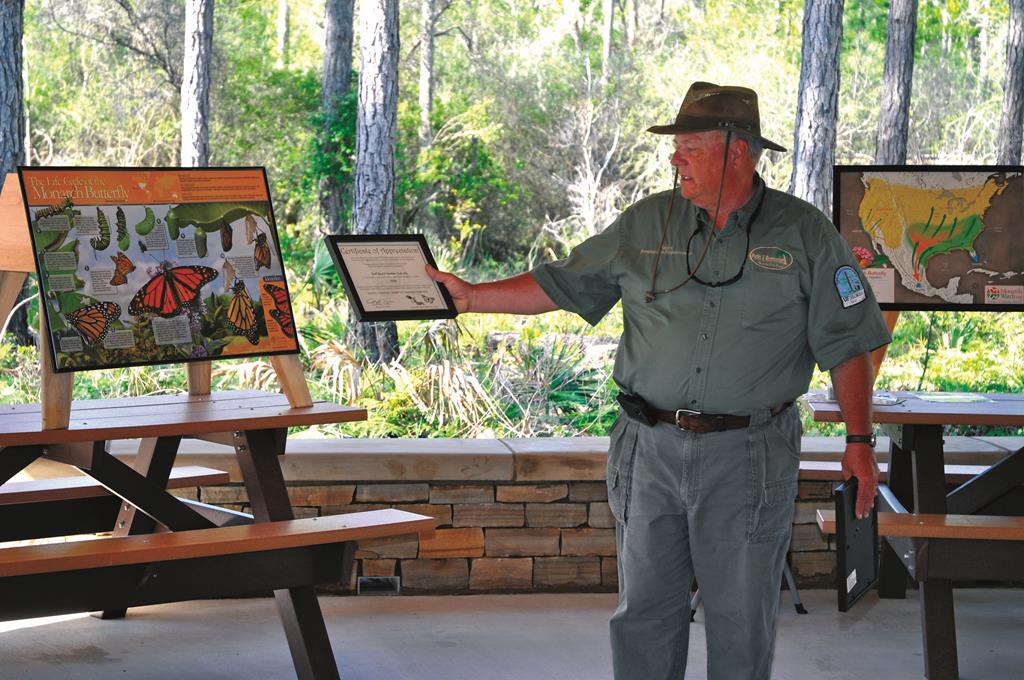
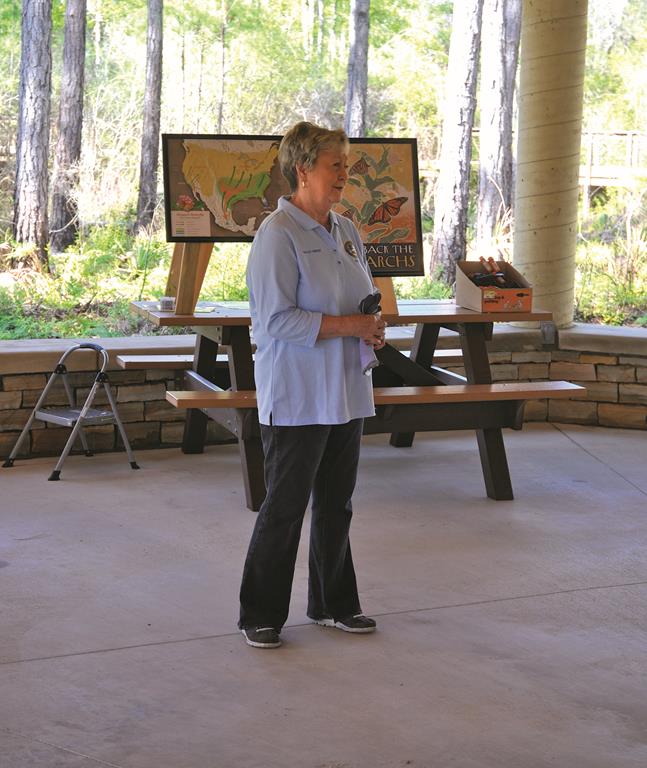
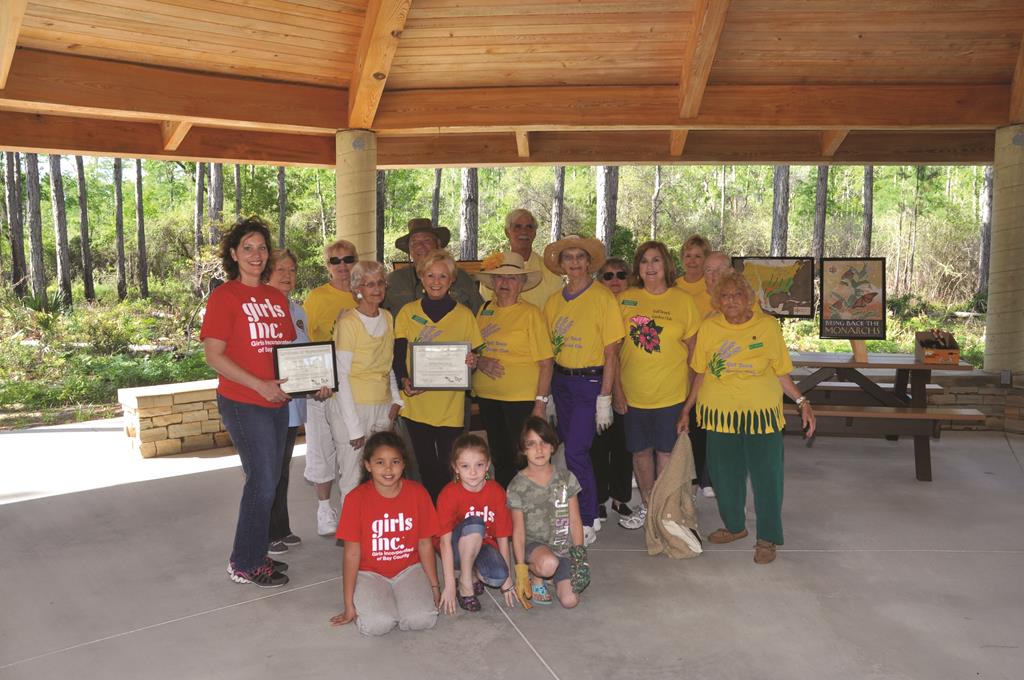
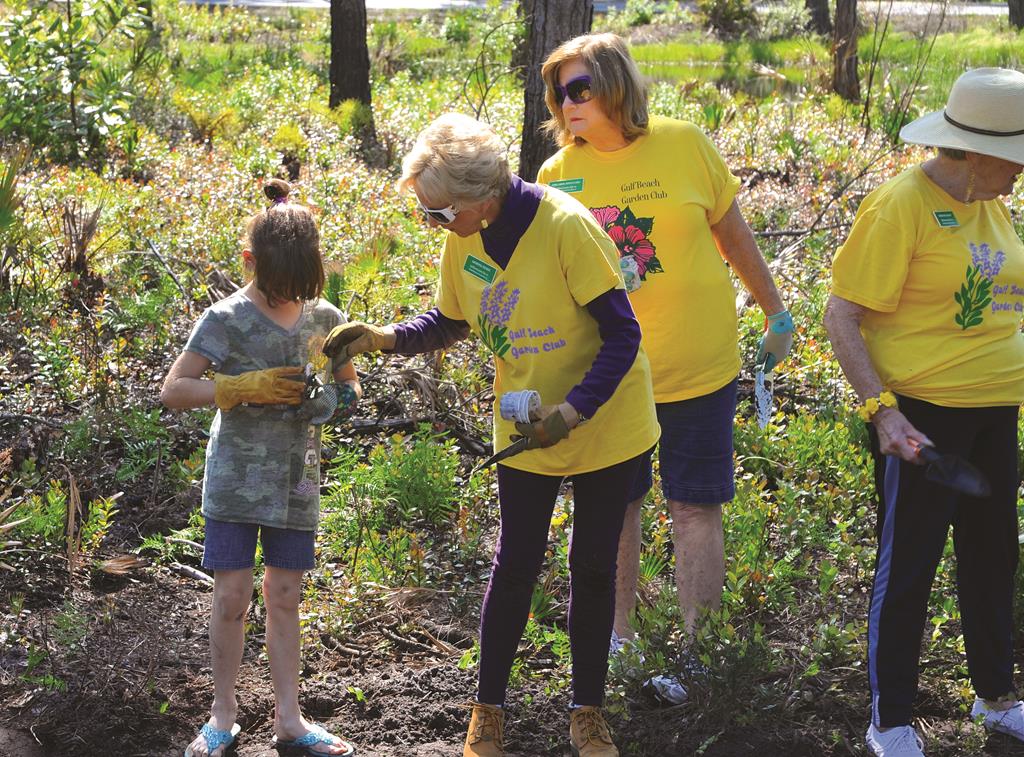
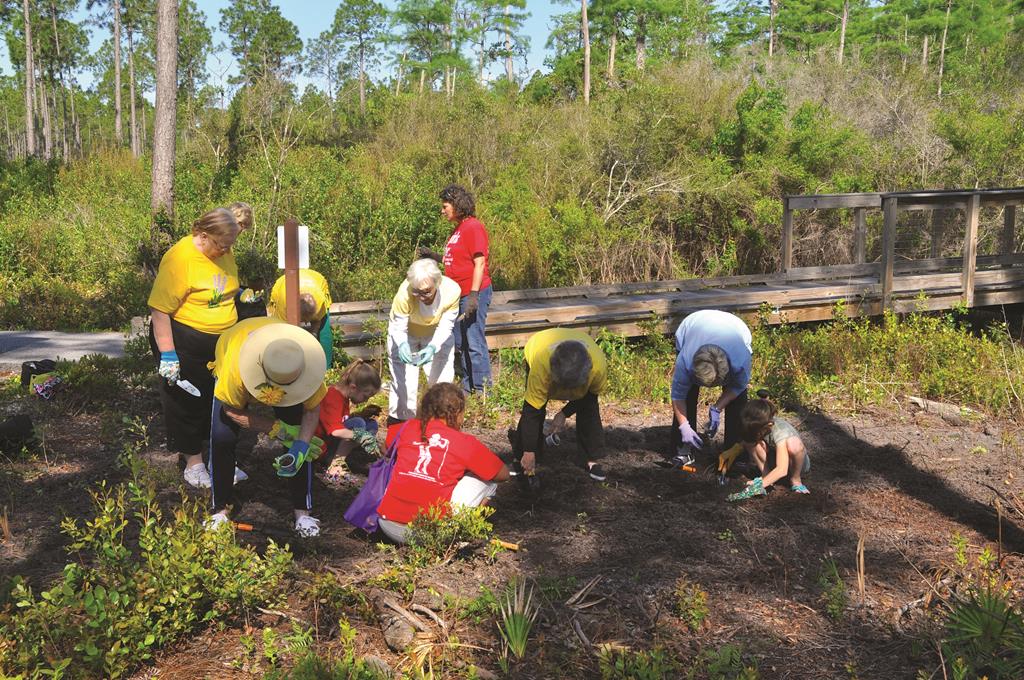
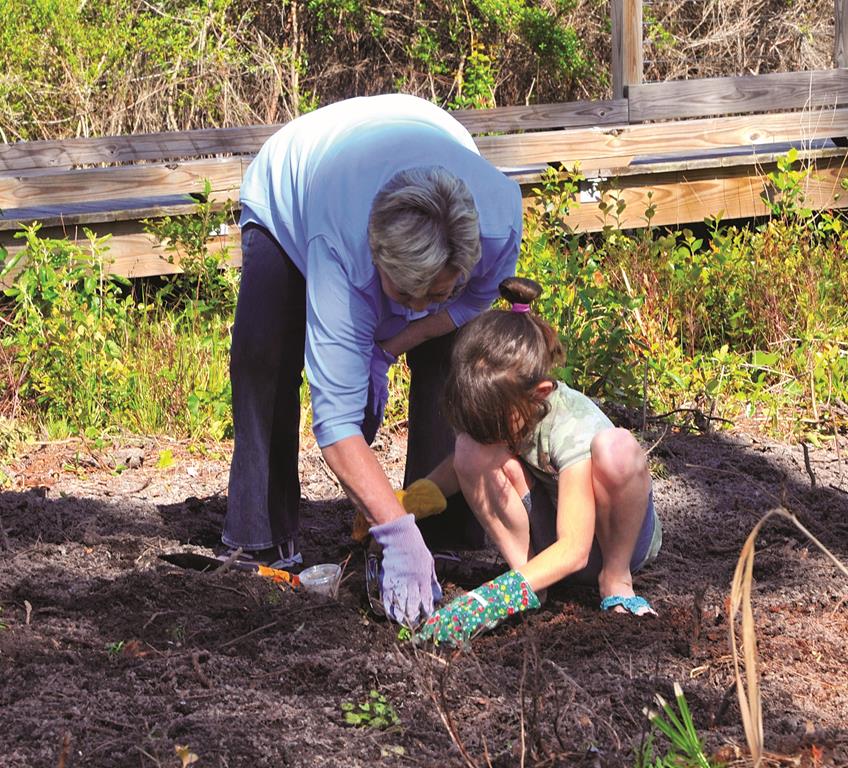
The relationship between Girls Inc., a local girls afterschool and summer program known for its affordable programming and community involvement and the Conservation Park began in 2012 when the girls helped Ranger Colby plant one thousand longleaf pine seedlings. The longleaf pine is native to Northwest Florida but had been replaced with slash pine by the St. Joe Company years ago. Conservation Park officials are in the midst of a longterm project to convert the land back into a longleaf ecosystem and, in doing so, hope to save many species that have become endangered. The girls’ work at the Conservation Park was part of an environmental series that included planting sunflowers, sea grass monitoring, and a greenhouse and butterfly garden at the Girls Inc. center. In fact, it was the Girls Inc. greenhouse that made them ideal partners for the Gulf Beach Garden Club in the milkweed project. The Garden Club and the girls worked together nurturing one thousand milkweed seedlings at the Girls Inc. center, then planted a total of 834 surviving milkweed plants at the Monarch Waystation in the Conservation Park. Projects like this are exactly the “tactile, hands-on learning” experiences Girls Inc . is known for . Each lesson at Girls Inc . is designed with both a practical and character building application . For example, when the girls worked on their butterfly garden in 2013, they learned about the butterfly life cycle and how it related to personal character and growth. Each experience in nature and in the community is a teachable moment. Tammy Dunaway , Executive Director of Girls Inc., believes the environmental series is vital. “It’s the language of prosperity to know about conservationism and environmentalism,” she states. “These experiences teach the girls how to network and serve their community, both valuable life skills. The Monarch Waystation features a plaque honoring Girls Inc. for their efforts . Additionally, the Gulf Beach Garden Club enjoyed working with the girls so much that they helped the girls form the only federated youth garden club in Bay County, the Gulf Girls Youth Garden Club. The girls are looking forward to their next role in the monarch “revival.” In September, the girls will be helping Ranger Colby by placing caterpillars on the milkweed and tagging the butterflies, so that their migration patterns can be recorded.
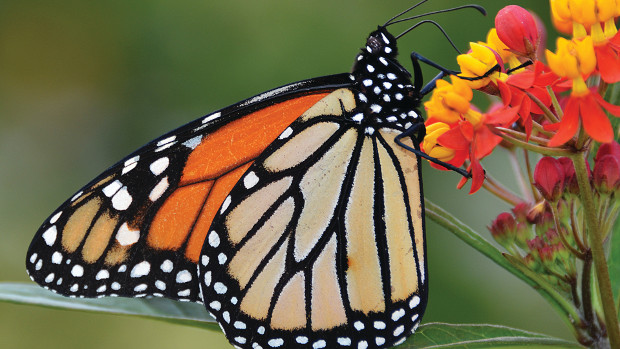
According to Jane Brewer, President of the Gulf Beach Garden Club, the monarch population is down 59% and the species is on its way to being endangered. Milkweed is the monarch butterfly’s host plant. The butterfly will not lay its eggs on anything else and their caterpillars will not eat anything outside of the milkweed family. Panama City Beach Entomologist John Smith explains “Monarchs feed on milkweed, because it transfers chemicals to the caterpillar, protecting it from predatory birds.” He goes on to say “The alkaloids in the milkweed cause the caterpillar to have a bitter, repugnant taste to birds. Consequently, birds recognize monarch larvae and will not feed on them.” Milkweed is both the monarch’s sustenance and its protection from predators.
Each spring and summer, about four generations of monarchs are born, each traveling a portion of the journey their parents began and living maybe five weeks. However, the fifth generation, often called the Super Generation, can live up to eight months. That last generation monarch journeys from Canada back to Mexico, the distance the previous four generations traveled between them.
Typically the migratory pattern would stretch from Mexico up through the southern United States through the Corn Belt and into southern Canada. However, the decline of milkweed in the longest stretch of their journey, the Corn Belt, is disrupting the monarch’s migration and very life cycle. The Corn Belt is the region of the Midwest consisting of the states of Indiana, Illinois, Iowa, Missouri, and parts of Nebraska and Kansas, where corn is traditionally grown. According to Ranger Colby, pesticides such as Roundup used on genetically modified corn crops in the Corn Belt are primarily responsible for the decline of the monarch population. When GMO (genetically modified organism) crops are sprayed with Roundup, the crops survive, because they are literally engineered to withstand the pesticide. This is why they are coined “Roundup Ready” crops. But the pesticide kills everything surrounding the crops, including wildflowers like milkweed. Without the milkweed on which to land and lay its eggs, the monarch’s migration cycle is disrupted. Monarch observers all over the country are observing fewer and fewer of the classic butterfly.
Northwest Florida can play a vital role in the survival of the monarch, because the southern United States is precisely where female monarchs begin to look for plants on which to lay their eggs, following their early spring migration from Mexico. Although large scale efforts like the Monarch Waystation at the Conservation Park are important, Ranger Colby says that any gardener or homeowner can create a butterfly habitat by simply planting some milkweed in their own backyard.
[box type=”shadow” align=”aligncenter” ]
For further information:
http://www.humanesociety.org/news/news/2010/09/monarch_tag.html
http://monarchwatch.org/tagmig/tag.htm [/box]