
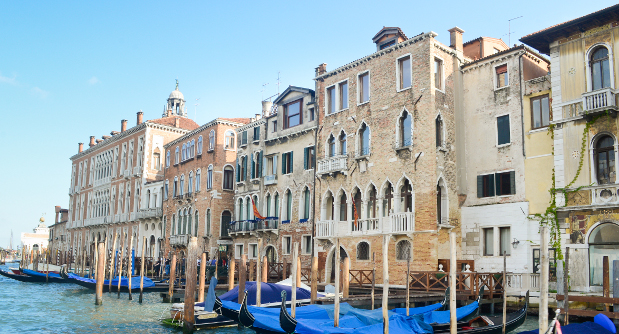
Venice, Italy


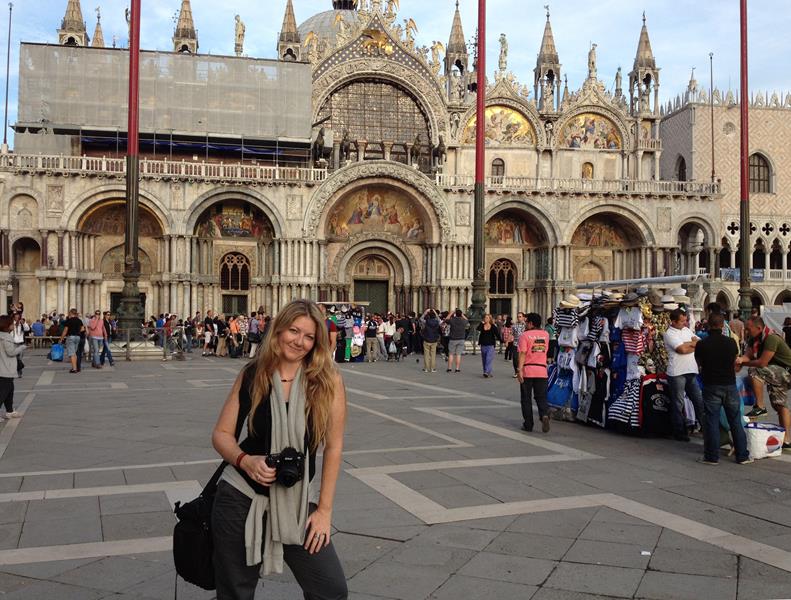
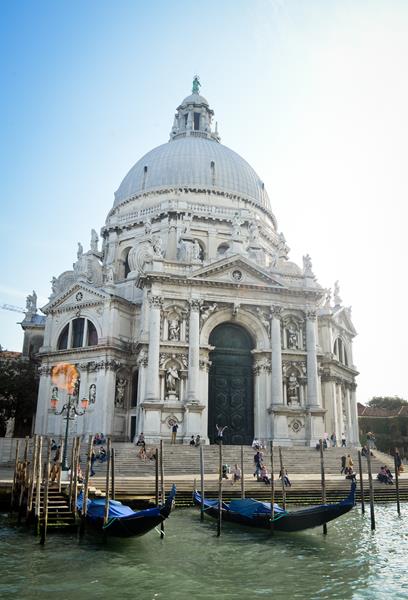 It all started in fall of 2012 when I first stepped off the train in Venice, Italy. I was on the last leg of a weeklong photography workshop in Florence. I took a train to visit and explore Venice for two days. As the train crossed over tracks built above the marshlands, I saw a familiar picture of sea grass and seagulls. I could smell the saltwater in the air. Venice is a group of 118 small islands separated by canals and linked by bridges. In its beginnings, it was inhabited by fishermen. By the 13th century, Venice would become the most prosperous city in Europe and the trade capital of the world.
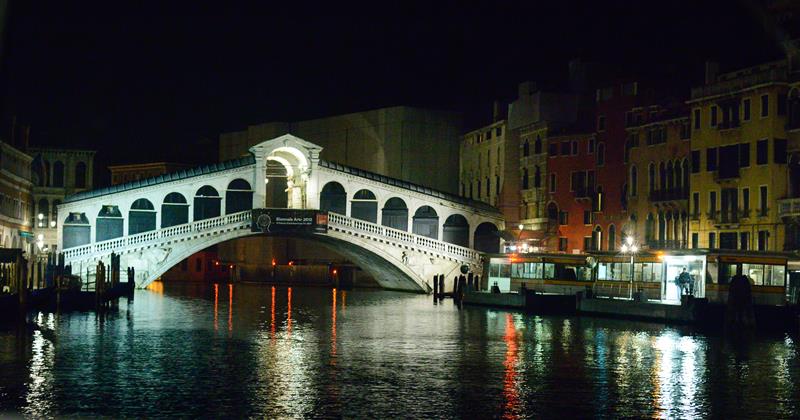
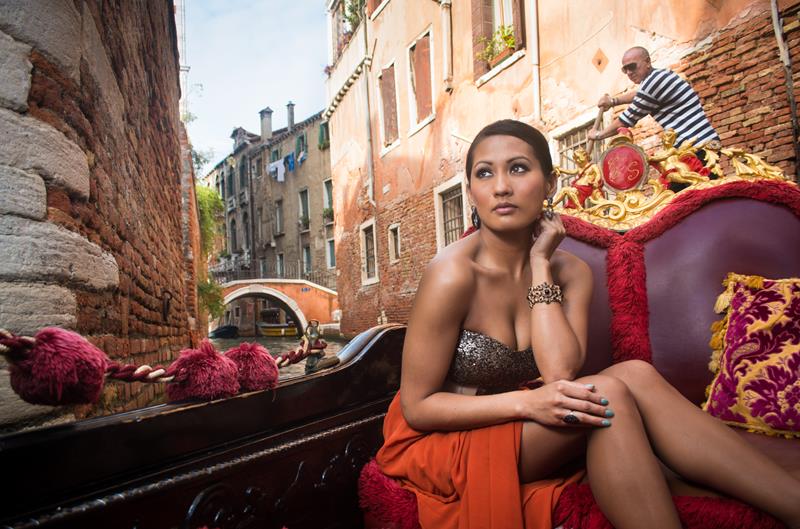
I have always loved the water, marsh lands, swamp lands, snaking waterways and the beautiful Gulf of Mexico back home. I am passionate about Venice. It was made for me, or perhaps I was made for Venice. Either way, I fell in love with it last fall as soon as I stepped off the train and walked through the station directly to the Grand Canal. A line of gondoliers were waiting to take wide-eyed tourists for a ride in one of the most popular means of transportations and symbol for Venice, the gondola. Two days is not enough time to see anything, anywhere, especially for a photographer in Venice, Italy. I will be back, I told myself.
I set a goal to return as soon as possible and stay for a month. As a photographer who owns an established business, traveling for a month would only be possible if business would continue to be good. I began by occasionally searching online for a quaint yet picturesque apartment to rent.
Months went by, weddings and beach family sessions were booked, thousands of photographs taken. Business was good and I could now plan my trip in detail. I found just the right apartment. I began to study Italian by listening to audio CDs while driving to various appointments, weddings, or to see my family in Alabama. I wanted to be in Venice by Halloween, as Halloween at home brings back too many memories.
I made it back to Venice in October 2013. While unloading my large overweight American suitcases, camera bag, laptop computer bag and backpack from the water taxi during its brief halt at Del Orto, I take a closer look at my surroundings. The stop closest to my rented apartment was named after the church “Madonna del Orto”, which was about 100 steps away form where I would live for the next 30 days. The church’s tall, brick bell tower would become my orientation point and beacon. It guided me along the maze of small streets and alleyways that in the beginning all looked the same. My apartment was less than a quarter mile from del Orto.
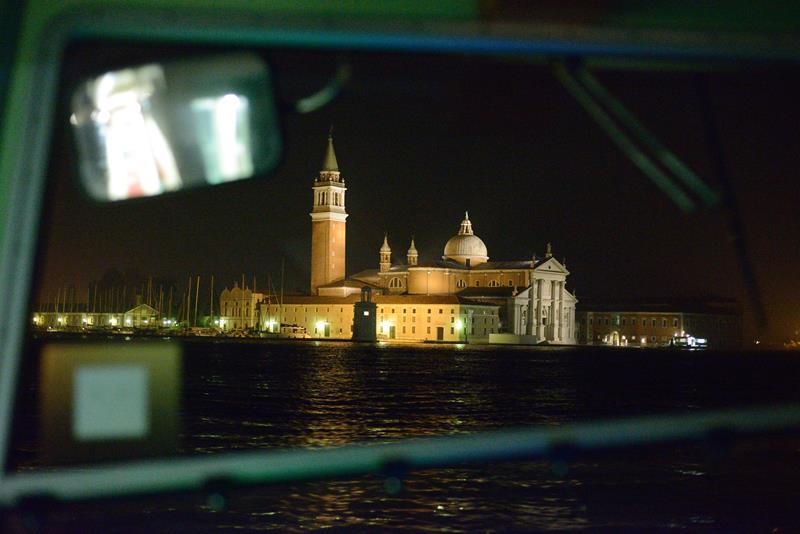
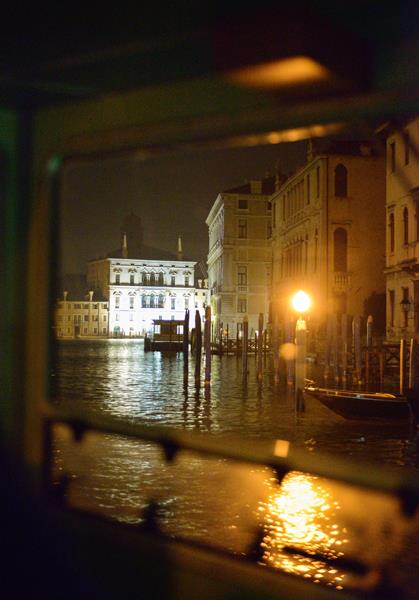
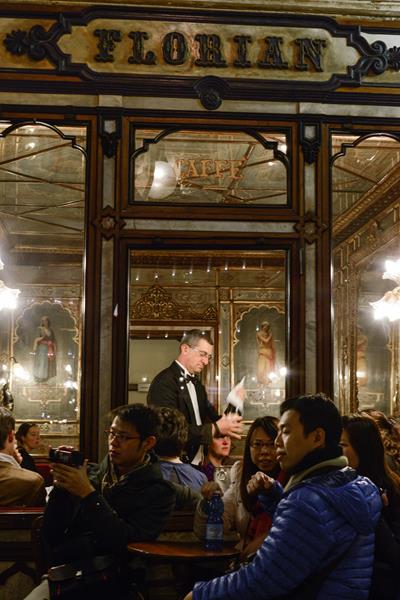
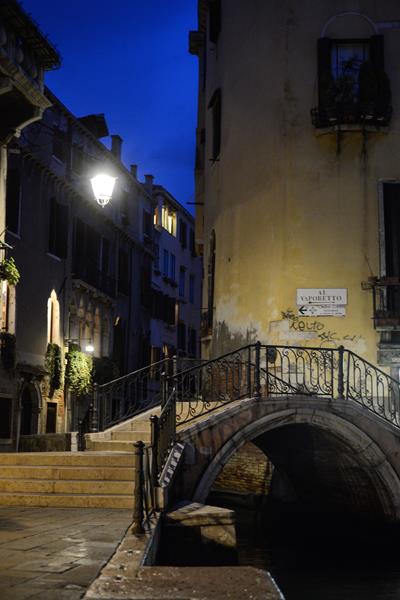
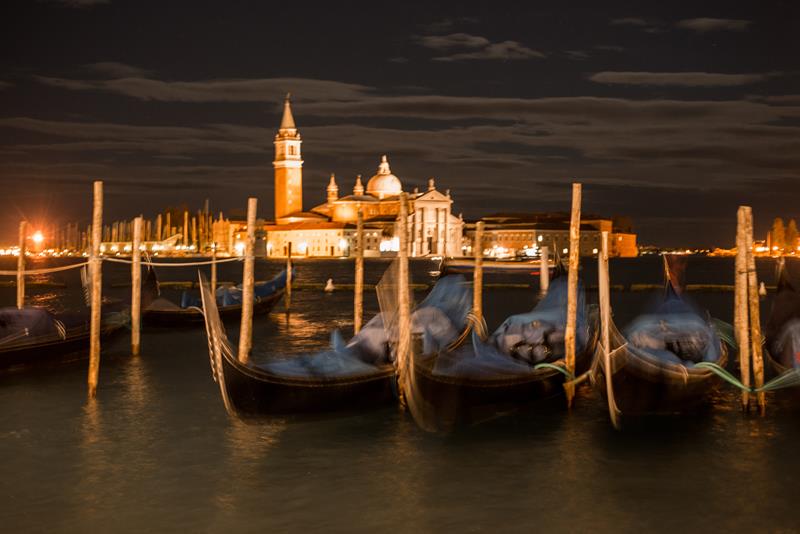
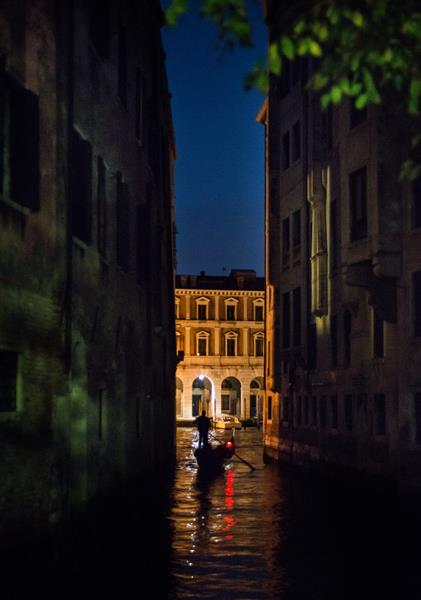

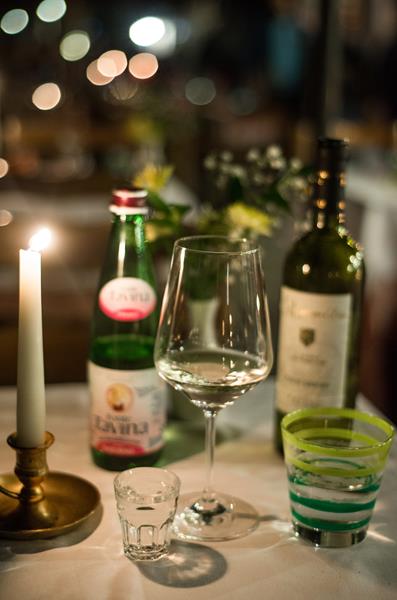
When I arrived at my apartment, it looked just like the pictures online, with stenciled walls and paper and silk Venetian lamps and handmade glass blown chandeliers in the bedroom and kitchen that project an intricate shadow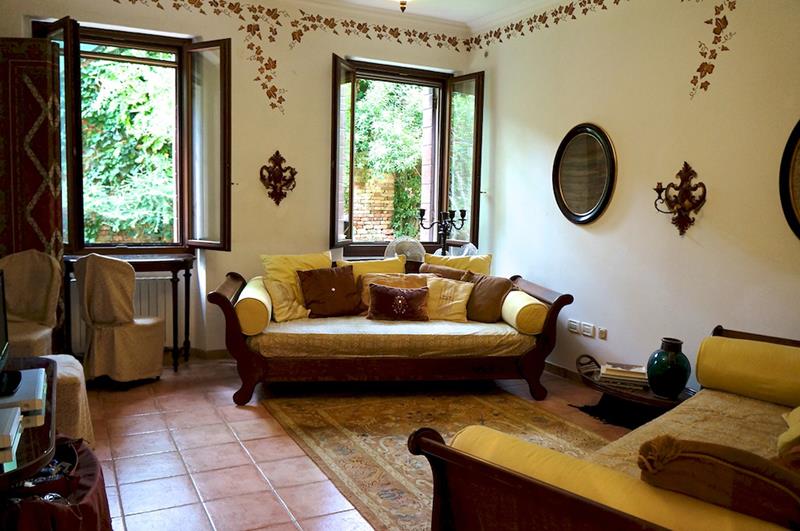 pattern on the walls. A small private courtyard with a huge stone wall covered in ivy could be seen from the large windows in the living room. It was about 5 p.m. and I asked my landlady if she could recommend a place nearby to eat. With a sigh she said it would be hard to find a place at this time of day but gave me directions to a small restaurant closeby. I quickly learned that Venetian restaurants don’t offer “dinner” until 7:00 p.m. Before that a small assortment of foods made earlier in the day is offered. For 9 Euros I had two glasses of wine and a tuna and egg sandwich. I decided I would get some much needed sleep and explore the neighborhood tomorrow.
I woke the next morning to church bells ringing and the neighborhood dogs howling like coyotes. Still tired, I fell back asleep and awoke a second time as the bells rang again. It was noon, I discovered and I began to make coffee and toast in one of the smallest kitchens I’ve ever been in.
As I wander around the neighborhood later that day I learn VERY quickly that many streets or alleyways, called ‘Calles’ in Italian, will literally dead end into nothing. In some cases they lead right into a courtyard or a person’s front door to their home or a bridge that leads to a person’s front door or just stop completely at a waterway or embankment. In one instance I was lead into an astro turf covered soccer field. As far as I could tell, there was only one way in and one way out. The only way to test my theory would have been to enter the boys locker room and since soccer practice was about to begin I decided to go back the way I came in.
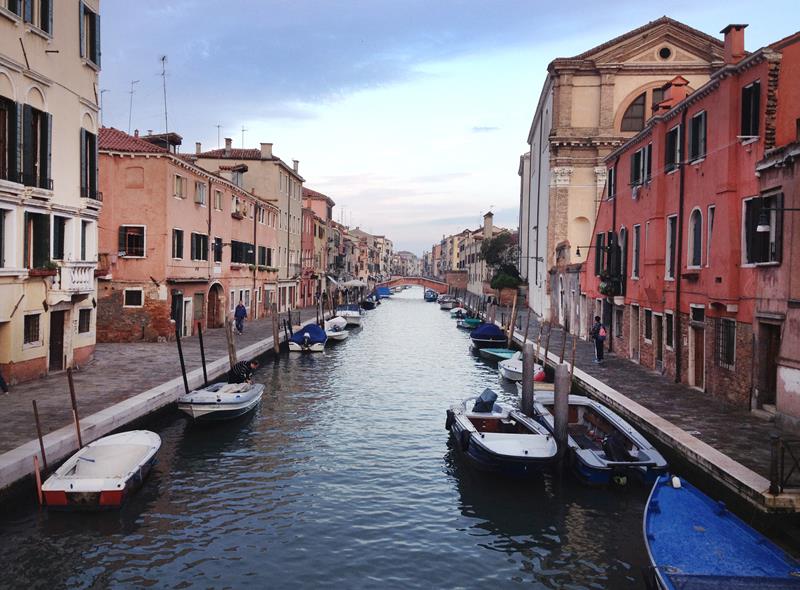 During my first day of exploration, I noticed numerous churches of varying sizes and an abundance of small outdoor altars, adorned with fading plastic flowers in honor of the blessed Mary. I spot at least three or four nuns during my walk. I feel like a voyeur watching them as they walk slowly down the calles. With most of the calles looking very alike, I began using the churches as my landmarks and points of reference and couldn’t help but wonder how many churches there were on these small islands relative to the population. The next day I find bustling streets filled with tourists and locals, restaurants and diverse stores, and it was the beginning of many culinary highlights and unique experiences.
One of the most interesting places that I visted during my stay was the island of Murano where some of the famous glassblower artisans live. These artists are so skilled at their craft that in centuries long past they were threatened with penalty of death if they ever tried to leave. While strolling on the banks of Murano, I found a place outside along the water’s edge to eat a late lunch or early dinner It was the perfect place to people watch over a glass of wine. The waterways are very narrow in Murano, only three boat widths wide and with boats parked on either side of the bank, only one boat can drive through. The skippers have to pull their boats over to let another boat pass. The pace in Murano is slower than in Venice. Men pull their boats over to talk to other men. A brawny husky built man walks by pushing a two wheeled hand cart that is carrying expensive works of glass blown art to transfer to one of the boats on the canal.
The next day I decide to take my explorations a step further. I had been on the lookout for a salon or anything that resembled a nail place since my arrival as I had no chance to get a pedicure before my departure to Venice. I passed by a place several times called Dr. Fish Kiss and never paid attention to its name until I saw someone sitting in a chair with their feet in a clear tub of water filled with hundreds of small fish. That stopped me dead in my tracks and brought the camera out of my backpack. Until that time I had assumed the store was some kind of strange pet fish store that specialized in one species of fish. I did not know that these were indeed a special kind of fish. Their biological name is Garra Rufa, also known as Doctor Fish or Kiss Fish. These small fish are found in the river basins of the northern and central Middle East, mainly in Turkey, Syria, Iraq, Iran and Oman. They slough off the dead skin on your hands and feet by “kissing” them says the saleslady. The practice is banned in most of the United States with a few exceptions but is widely used as a beauty treatment in other countries. I am desperate for a pedicure so I inquire about the price, 10 minutes for 10 Euros (about $13 dollars), 20 minutes for 20 Euros and so on. I opt for 10 minutes and take off my socks and shoes. I have to rinse my feet off in another area first and then seat myself and slowly lower my feet into the lukewarm water. To my uber sensitive feet, it feels like miniscule electrodes are sending baby shockwaves through the first two layers of my skin. It tickles a bit and feels odd at the same time. After 10 minutes I lift my feet out of the fish tank and run my fingers along the souls of my feet. Silky smooth and fairly nice looking. I decided not to let myself think about possible bacteria.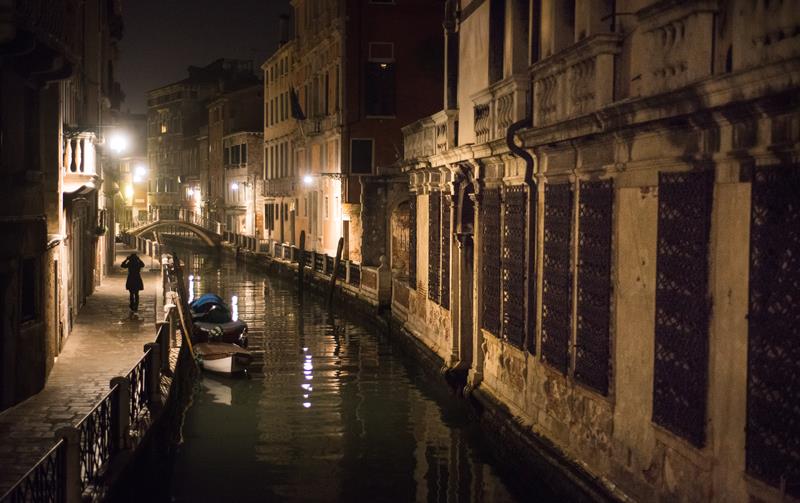
Days are beginning to add up. I have to look at a calendar to see how many days I’ve been in Venice. One thing I have learned is that there seems to be very little nightlife in Venice. For a night owl like me who loves live music, it’s kind of a bummer. Near the entrance of a nice hotel in the more touristy district, I stumbled across a man playing his electric piano and singing well known American and British songs. I sat and listened, sipping my tequila sunrise. I had wanted to order a margarita and compare it with the ones back home but for whatever reason margaritas were unavailable at 9 at night. After a cocktail or two or maybe three, I proudly offered my vocal contribution and felt I was an asset to the man who spoke little English but knew most of the words to most of the songs.
A highlight on one of the following days was visiting the island cemetery of San Michele. The island can be seen from the water taxi stop closest to my house. I learned that the canals surrounding Madonna del Orto housed the funeral gondolas that were used to transport the dead from within the city to San Michele. The ferry to San Michele is free and it was packed with locals carrying flowers. I didn’t see many tourists. I exited the boat and entered through a large wooden arched doorway into the cemetery. This island has no waterways that run through it. Tall brick and mortar walls surround the entire island. You cannot really see out, once you have come in. In my mind I had imagined some of the oldest gravesites and tombstones that I ever laid eyes on but that was not the case. I did see old grand mausoleums, carved remembrances of loved ones that adorned stone walls, decaying and cracked busts, old photographs that were somehow attached to stone slabs and placed on metal easels, traditional tombstones that many of us are familiar with, as well as crumbled pieces of stone that were the only thing to mark the remains of the person that was buried below. There were also churches on the cemetery island and priests could be seen and heard talking to those who came to remember their loved ones. I purchased some flowers from the small store near the entrance and decided I would pay my respects to the grave I thought I might photograph.



Many children were buried here. I thought it odd that it would be the first section of the cemetery I would find myself in. I walked around the cemetery for what must have been two hours or more. When I’m photographing, I tend to lose my sense of time. The only thing that brought me back was the fact that I was losing daylight. Every 15 minutes or so, an announcement made in Italian rang out across the cemetery. I noticed that I was seeing fewer and fewer people. I began to try and figure out where exactly I was in this huge cemetery and I thought I was working my way towards what seemed to be the only entrance and exit. As I entered the smaller section of this particular part of the cemetery, I stopped in my tracks and saw the most beautiful sculpture in the entire cemetery. It was of a beautiful woman wearing a long dress and laying on her side. Her hair was pulled up into a type of loose bun and she was being carried by 3-6 pallbearers. There was a cauldron to the right that had smoke rising up and over her body. I was surprised by how different this gravesite was from the others. And even more surprised to see that fresh flowers had been placed alongside her hand. The carving in the stone said that she had passed away in 1907 and the name of this beautiful woman, who must have been loved so deeply to have such a remembrance made, was Sonja.
I wondered who she was, what she had been and who loved her so much to create the most memorable grave carving in the entire cemetery. Who was it that had placed fresh flowers on her grave? As night approached faster and faster, I tried to find my way out of the cemetery. Round and round I went. No matter which way I turned, I always seemed to end up right back in the same area. No one could be seen in the cemetery now. I started to think I might be spending the night here. An owl flew overhead. All of the candles that were placed on the graves earlier that day lit the cemetery. It was not my intention to spend the night here. I kept looking for the exit, continually finding dead ends. Finally I walked around a stone wall to find a familiar site, the small flower shop I had seen when I first arrived. The girl I bought the flowers from was still there. Between my poor Italian and her broken English, she explained how to exit the cemetery. I would have to flash down a water taxi with a light since they had stopped picking people up. Luckily I had downloaded an app on my iPhone that had a flash light. Once I finally recognized a water taxi in the distance, I flashed my light. They came and picked me up. I felt a little foolish getting on that boat crammed full of Italians coming home from work but not as foolish as the two tourists who got off the same boat in hopes to enter the cemetery. A few stops on the taxi and I was close to home. Dinner out that night I decided would be more than just pasta and wine.


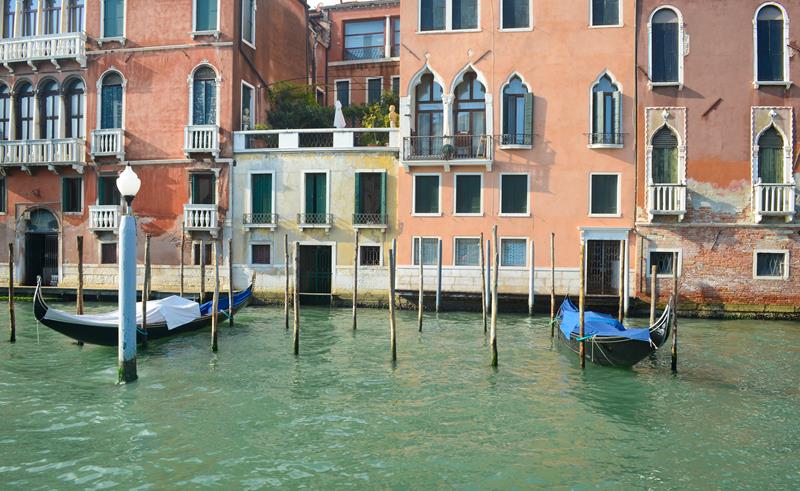


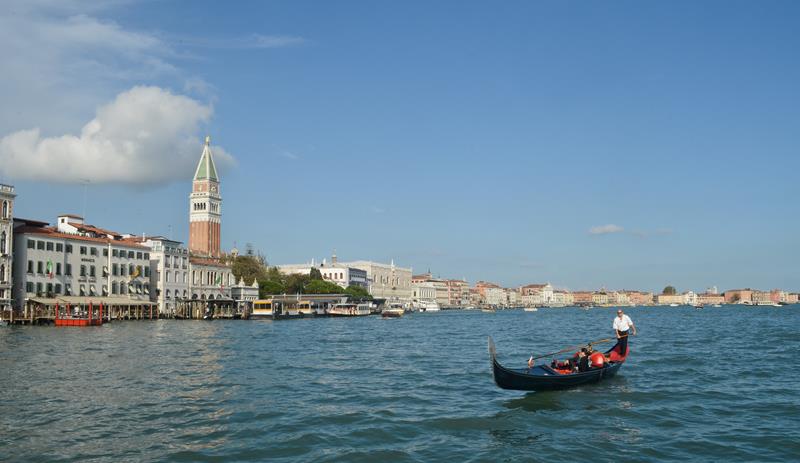
As my stay came to an end I was out walking around and going further and further from my apartment. I visited places, museums, and exhibits. I burst open the front soles on both of my hiking boots that have literally traveled the world with me. Apparently, a few days of walking on Venice’s stone alleyways is enough to destroy boots that have been with me to Mt. Everest and beyond. As 30 days came to an end, I knew I would leave a part of my heart in Venice.
Photos by Sonja Revells Photography