
Grow more memory


Of all the things you can lose, your memory is one of the most frightening and disturbing! Although there are several drugs on the market that will help keep memory alive a little longer, they do not restore all your memory. They usually help prevent the breakdown of acetylcholine in the brain. Acetylcholine is a neurotransmitter, which helps nerve signals pass from one nerve cell to another. To the folks affected by memory loss and their families these drugs can be helpful, but they often have undesirable side effects. However, there are several foods and herbs that can help improve the health of the neural connections and memory. Most of these foods will grow in the Florida Panhandle!
PHYSICAL ACTIVITY
Besides eating the correct foods, exercise is a major factor in maintaining body and brain health. The physical activity required in gardening can help as much as the food. It increases the blood circulation to the brain, nourishing brain cells feeding them, transmitting signals properly and eliminating undesired waste material. The mental contentment from working with the soil and plants further enhances health.
FOODS
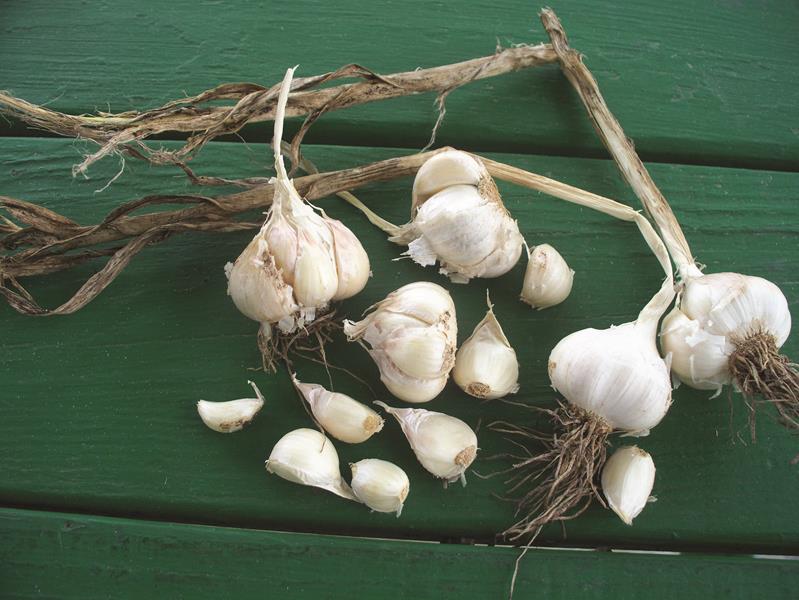
Berries: All berries contain powerful antioxidants which neutralize free radicals that cause aging, memory loss and chronic diseases. Blueberries, particularly, help create new brain cells, increase their survival rate and decrease the effects of stress on existing cells. They are easy to grow, requiring only acidic soil. Goji berries, strawberries, cranberries,* raspberries* and purple grapes (such as concord grapes*), tart* and sweet cherries* are also very good. Goji berries are relatively new in the US, but are easy to grow in NW Florida after a bit of care the first year. They are loaded with antioxidants. Avocados and English walnuts*: Both are rich in fat-soluble antioxidants which make it easy for them to enter the blood stream and the brain. Avocadoes can easily be grown in Florida, although a little more care is needed to protect them from cold spells in the Panhandle area. English walnuts in the shell are readily available in stores during the Thanksgiving and Christmas seasons. Buy extra and freeze them for use throughout the year. Spinach and kale: These are powerful foods for the brain. Kale, especially, is a good anti-infl ammatory and detoxifi er. Garlic: Garlic helps in- hibit the formation of plaque in the brain. Plaque is one of the causes of Alzheimer’s Disease. Plant garlic in the fall and harvest it in the late spring when the foliage begins to die. Beans: Both dried and “green” types of beans help with brain functioning. The red-colored ones, such as red beans used in beans and rice, are especially powerful. Be sure to include kidney beans and black beans.

HERBS
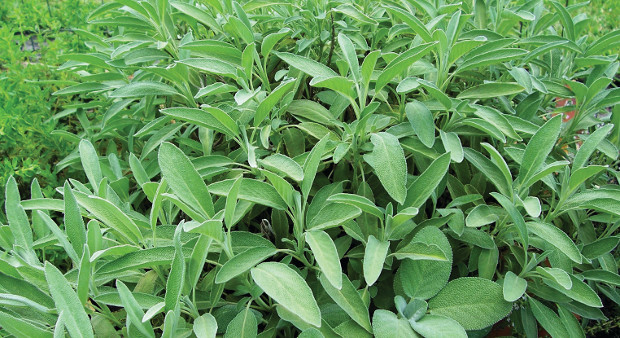
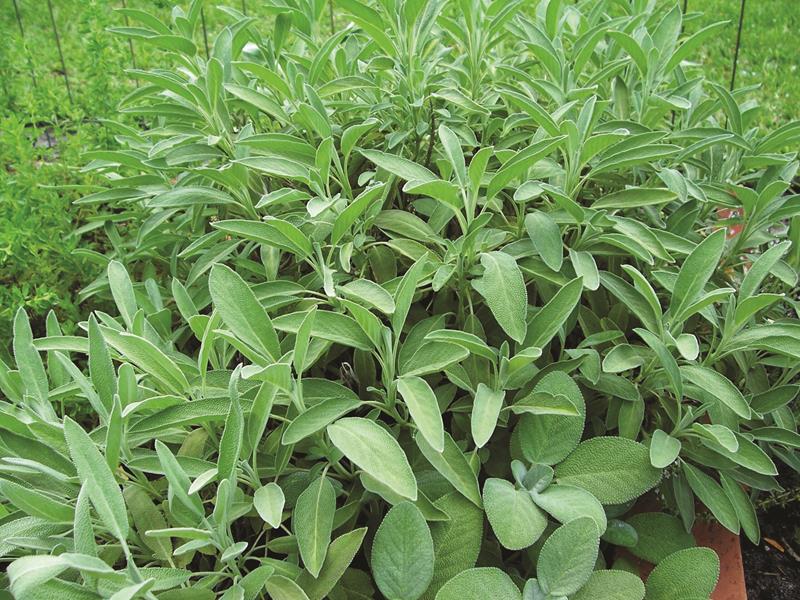
Some benefit may be gained from using these herbs in teas, but the better way is to cook with them. Deeply inhaling the aromas of the herbs gets them into your system as well. To absorb them through the skin (as well as inhale them), steep the leaves in your warm bath water. Rosemary: For this area, plant rosemary in well-drained soil. It stays green all year and gives off a wonderful fragrance. Clip off sprigs as needed, rather than trimming the whole tree. Turmeric, hot peppers, ginger: These herbs contain natural versions of Cox II inhibitors, a type of anti-infl ammatory substance that fi ghts arthritis and Alzheimer’s. Synthetic Cox II inhibitors, such as Vioxx, can cause harm- ful side effects. Although the foliage will die down in the winter, turmeric and ginger can be easily grown in the area. Obtain sections of root from the store or a friend and plant them in a lightly shaded spot. Besides eat- ing them, hot peppers, such as cayenne, are often used to make hot pepper sauce to go on cooked greens, oysters and anything else you like. Mints: Several herbs in the mint family are good for the brain. Peppermint, along with sage, lemon balm, and rosemary help prevent the breakdown of acetylcholine in the brain. Don’t wait until there are hints of memory problems to begin using these foods and herbs. Why not get started today!
[box type=”shadow” align=”aligncenter” ]Sources:
Duke, Dr. Jim, retired USDA botanist, author of The Green Pharmacy, 1997.
Joseph, Dr. Jim, Director of Neurosci- ence at the Human Nutrition Research Center on Aging at Tufts University, Boston, author of The Color Code, 2002.
Mix, Linda, RN, Herbs for Life! Under- stand, Use and Grow Your Own Medicinal Herbs, 2011. “Rosemary for Memory,” Question of the week, www.gardensalive/youbetyourgar- den.com
Contact info:
Linda@MedicinalHerbsForLife.com or www.MedicinalHerbsForLife.com [/box]
By Linda Mix - Author of Herbs for Life