
ECHOES IN THE EARTH


BY NICK MAY; PHOTOGRAPHY BY NICK MAY
A crunch of leaves underfoot. The buzz of insects in your ear. Wind on the Apalachicola River.
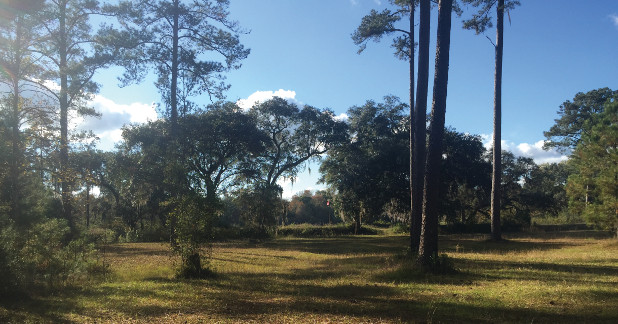
These are the sounds at Fort Gadsden today. There are no longer any voices raised here. No musket fire. No explosions. It’s a place at the end of a long road among pine trees. A lump in the ground. A flag on a pole. In a word: desolate.
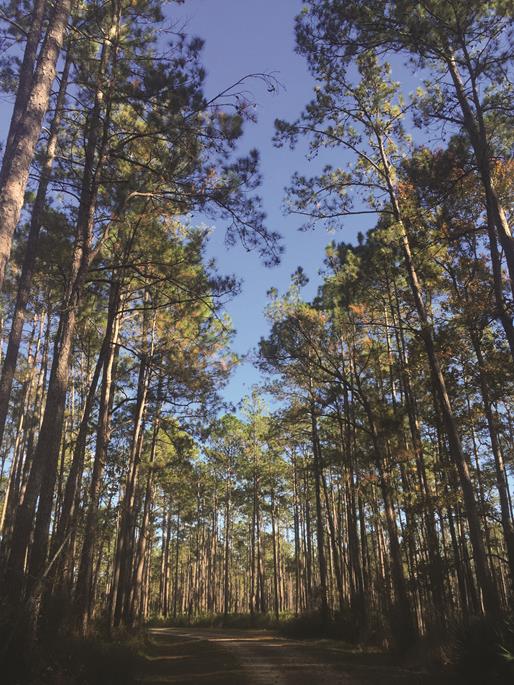
Still, there is something hallowed in the air surrounding the quaint park benches and historical markers found 20 miles north of Eastpoint on Florida State Road 65. It’s a sense of legacy that demands respect. One doesn’t require much knowledge about the place to reckon with its storied past. Just a stroll along the riverside beneath the bearded oaks will make you realize that something sinister has happened here.
Now all that remains of Fort Gadsden is a perimeter of raised earth the width of half a football field. On one side; a flag for America. On the other; the Union Jack for Great Britain. Beneath is a modest plaque detailing the events of a colossal explosion that claimed the lives of 270 individuals; many of whom were part of an African-American militia of freedmen and their families. It takes imagination to see them there, lying about like so much mangled debris. Only whispers tell of their occupation now; a refuge that later came to be known as “The Negro Fort.”
Today, there is little else along this quiet stretch of the river to share the story of the ones who hoped for freedom and died. The task of remembering the fallen is left to the ancestors of those who survived along with those who know the history.
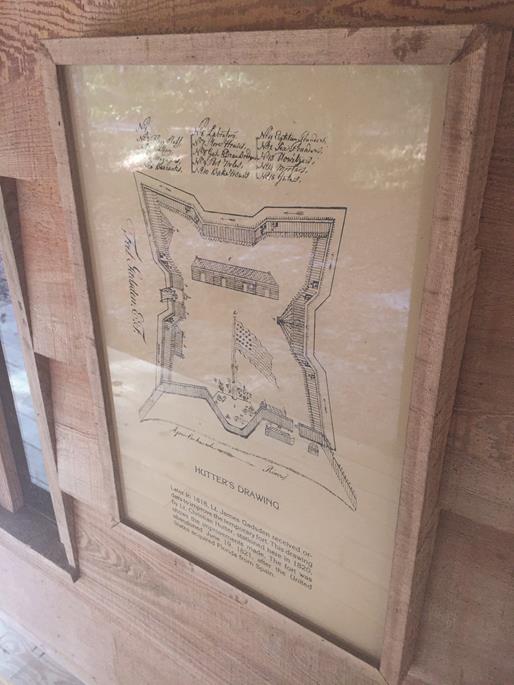
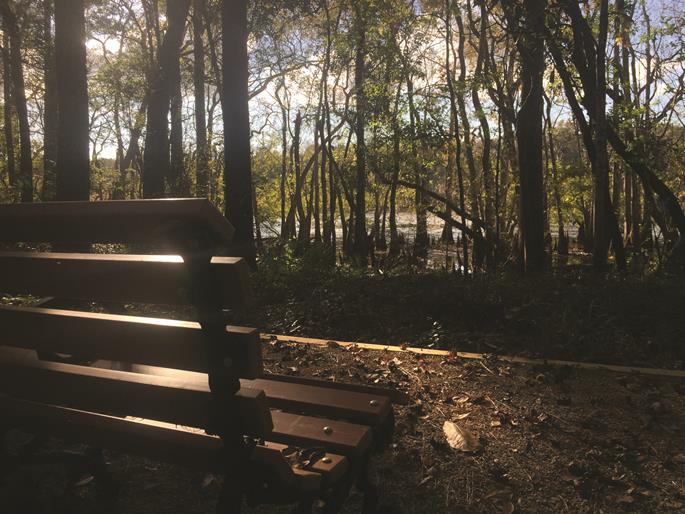
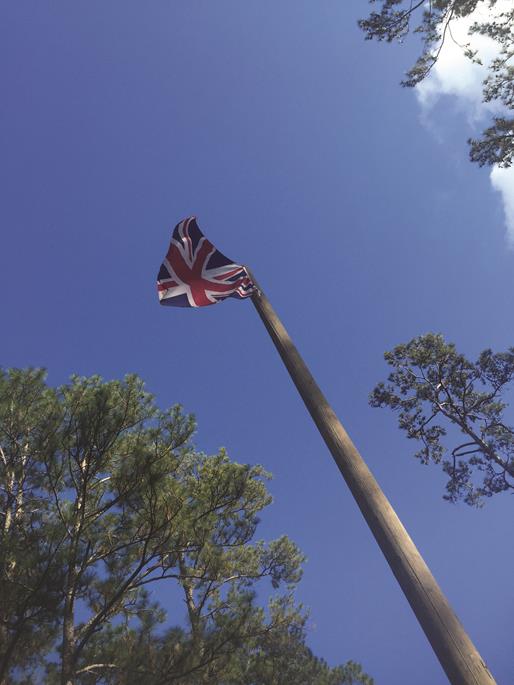
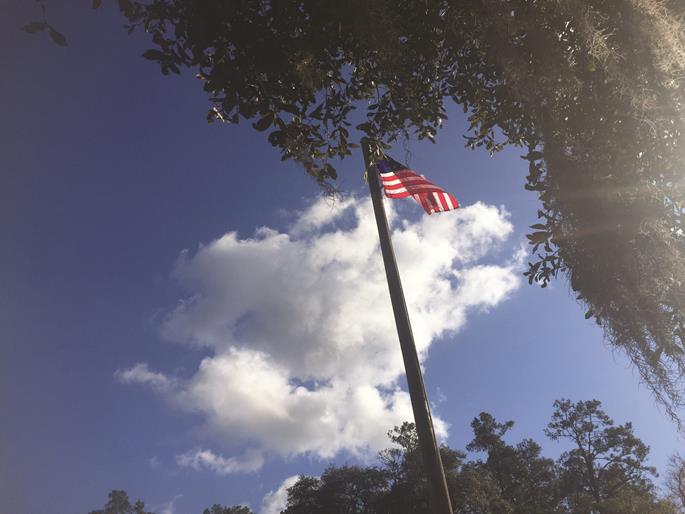
Today, the site of Fort Gadsden is a beautiful remnant of colonized Florida. Two hundred years ago it was a strategic foothold. The small tract of land was once the only livelihood for many. It was a touchpoint for military maneuvers and now lies buried in the sands of time.
A waitress at the Riverwalk Cafe in Apalachicola describes it as a favorite for picnics, family gatherings, and birthdays. Two centuries after a massacre the wilds have not ceased to slowly reclaim the place. Who is to say what another 200 years will do to this mammoth representation of strength and horror. For now, a mass grave and the words above are all that remain of the men, women, boys, and girls who once called it home.